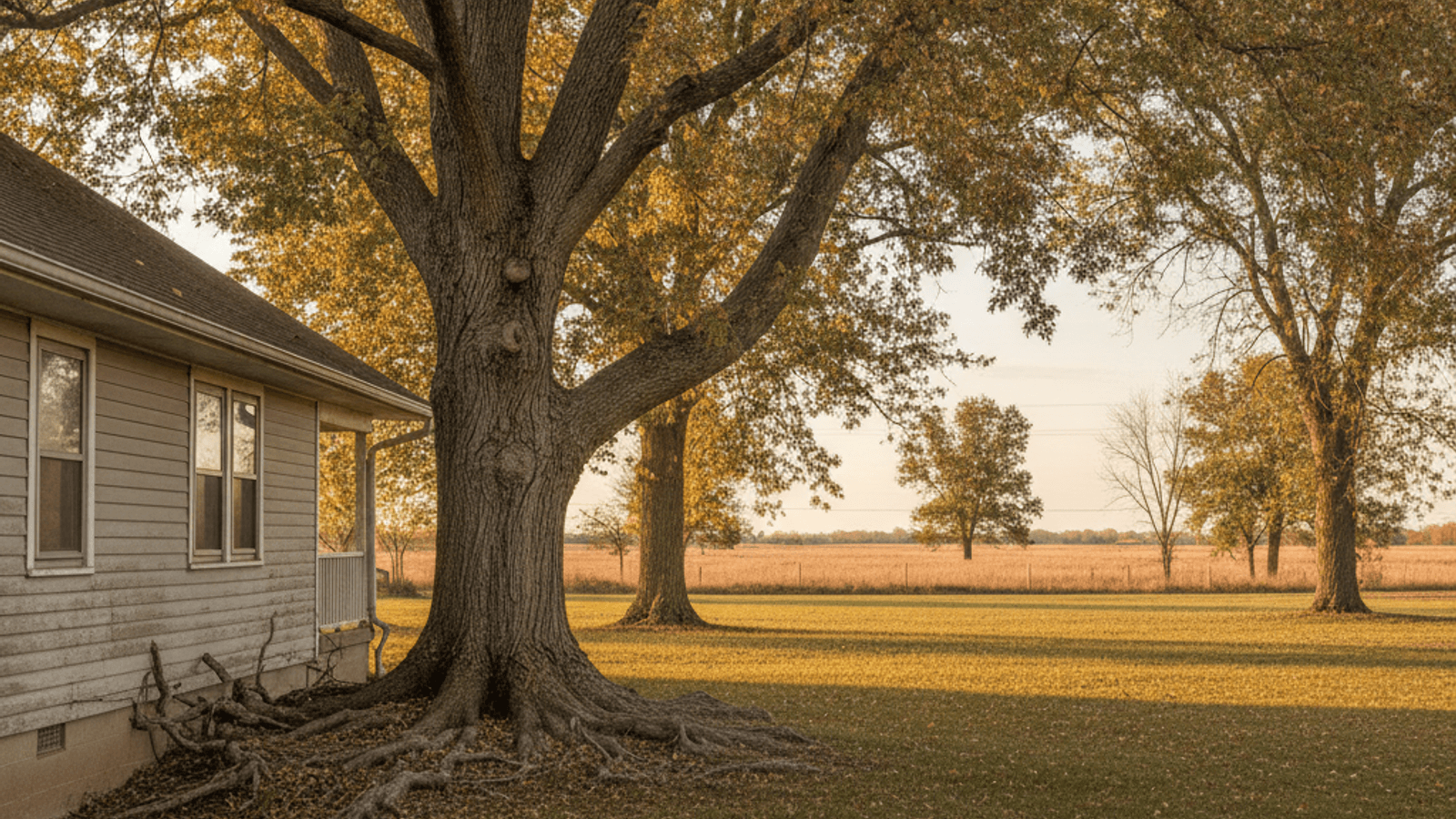
A tree on the property line in Topeka: who owns it and who pays
Kansas law settles who may trim an overhanging tree and what cutting one without consent costs. The trunk-on-the-line question is harder. Here's what's published.
Practical advice on the tree questions Greater Topeka homeowners actually face.
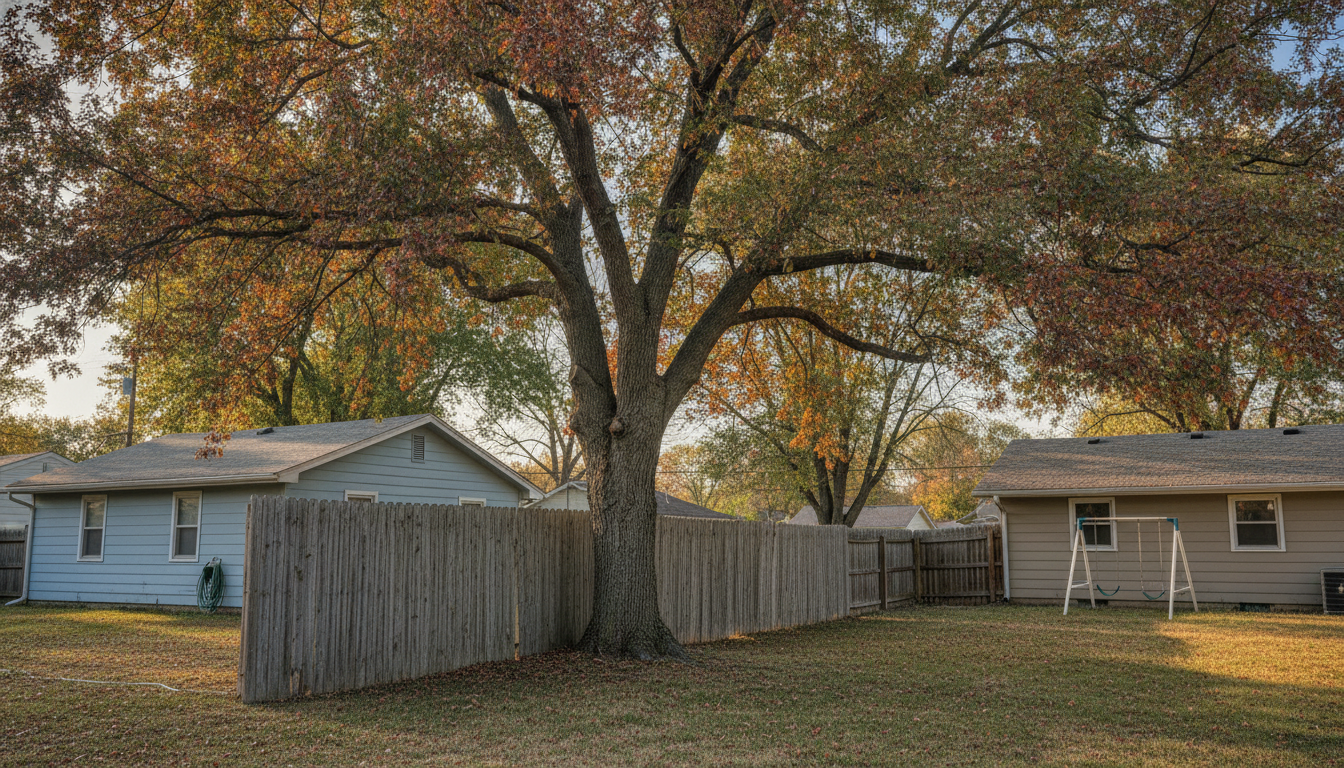
Kansas law settles who may trim an overhanging tree and what cutting one without consent costs. The trunk-on-the-line question is harder. Here's what's published.
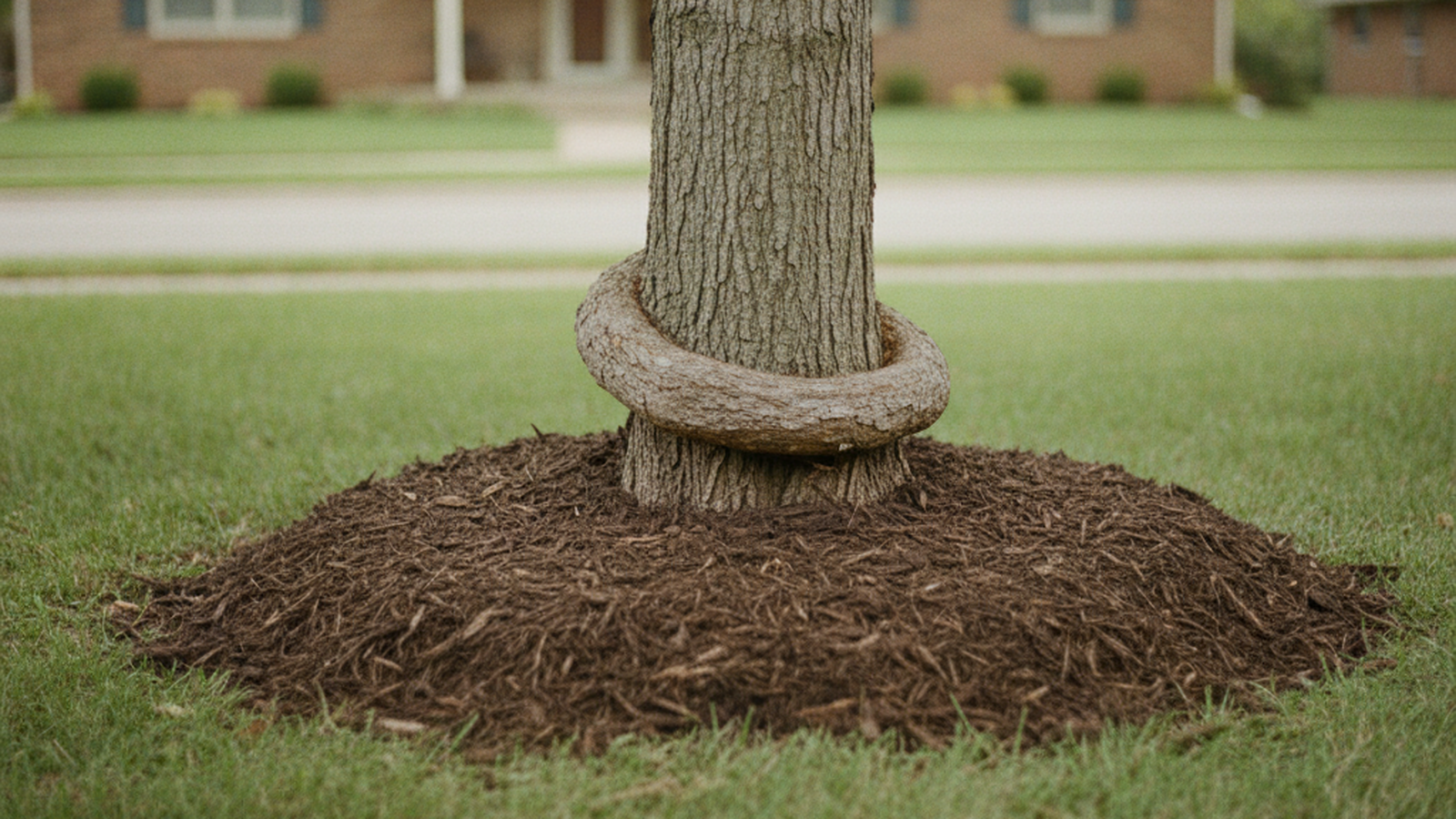
A root wrapped around the trunk chokes the tree from the ground up. K-State's Kansas guide names the symptoms, and Shawnee County clay makes it worse.
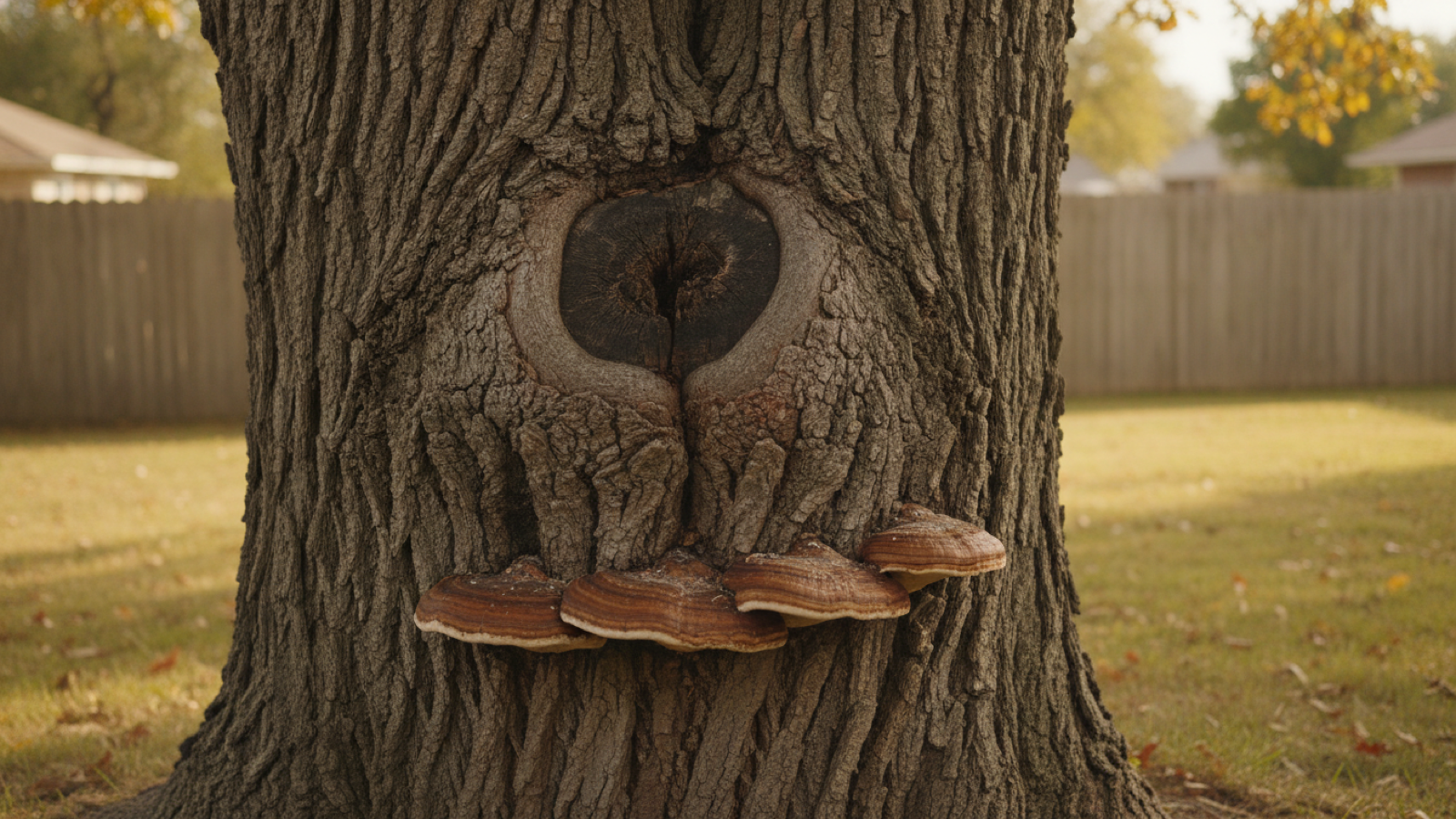
Conks and mushrooms on a trunk are fruiting structures of wood-rotting fungi. K-State's Kansas guide names which fungus goes with which tree, and what comes next.
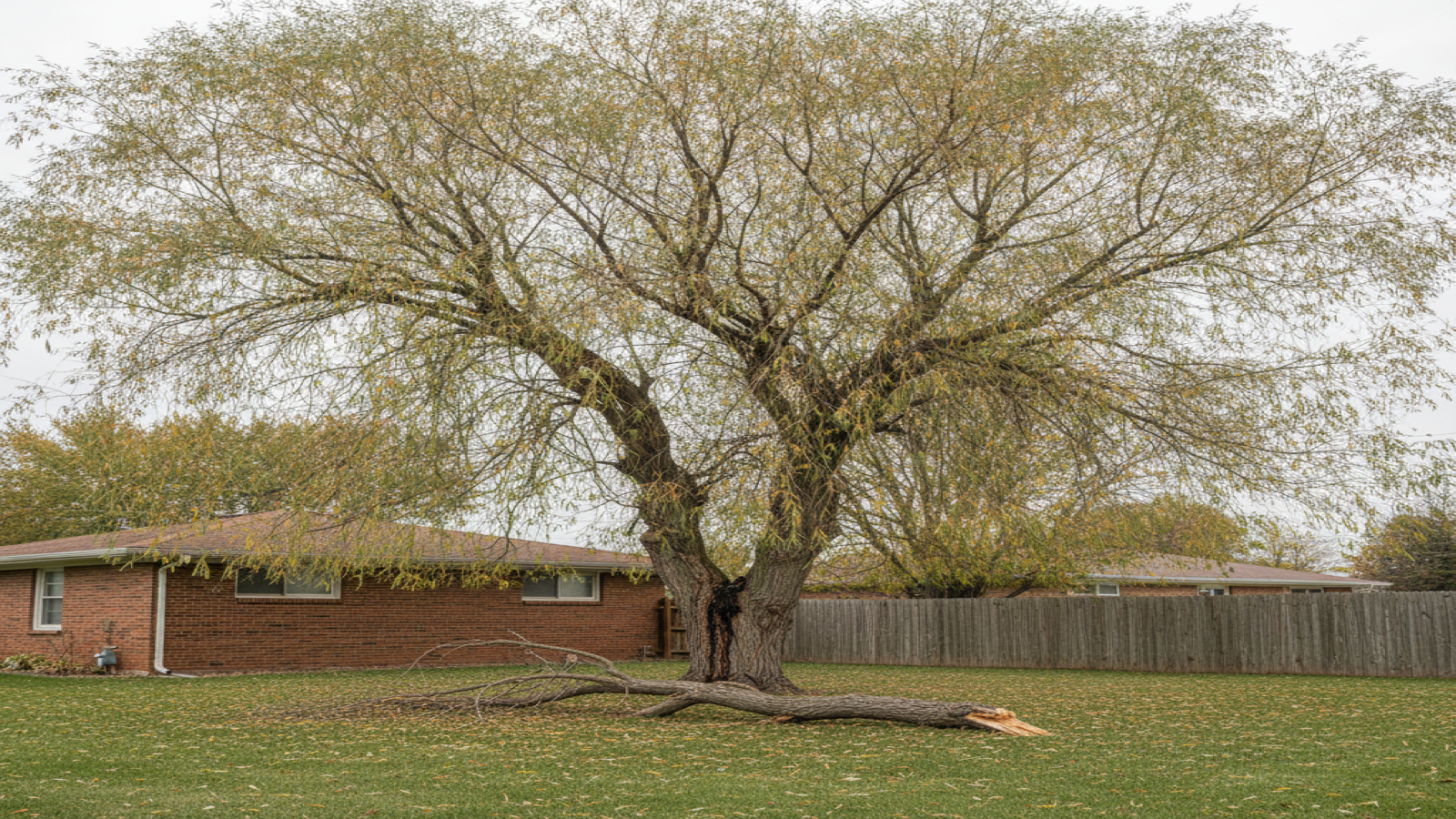
Kansas foresters file black willow under wet sites. Topeka's rainfall normal is 36.53 inches. Here's what that mismatch does to a backyard willow.
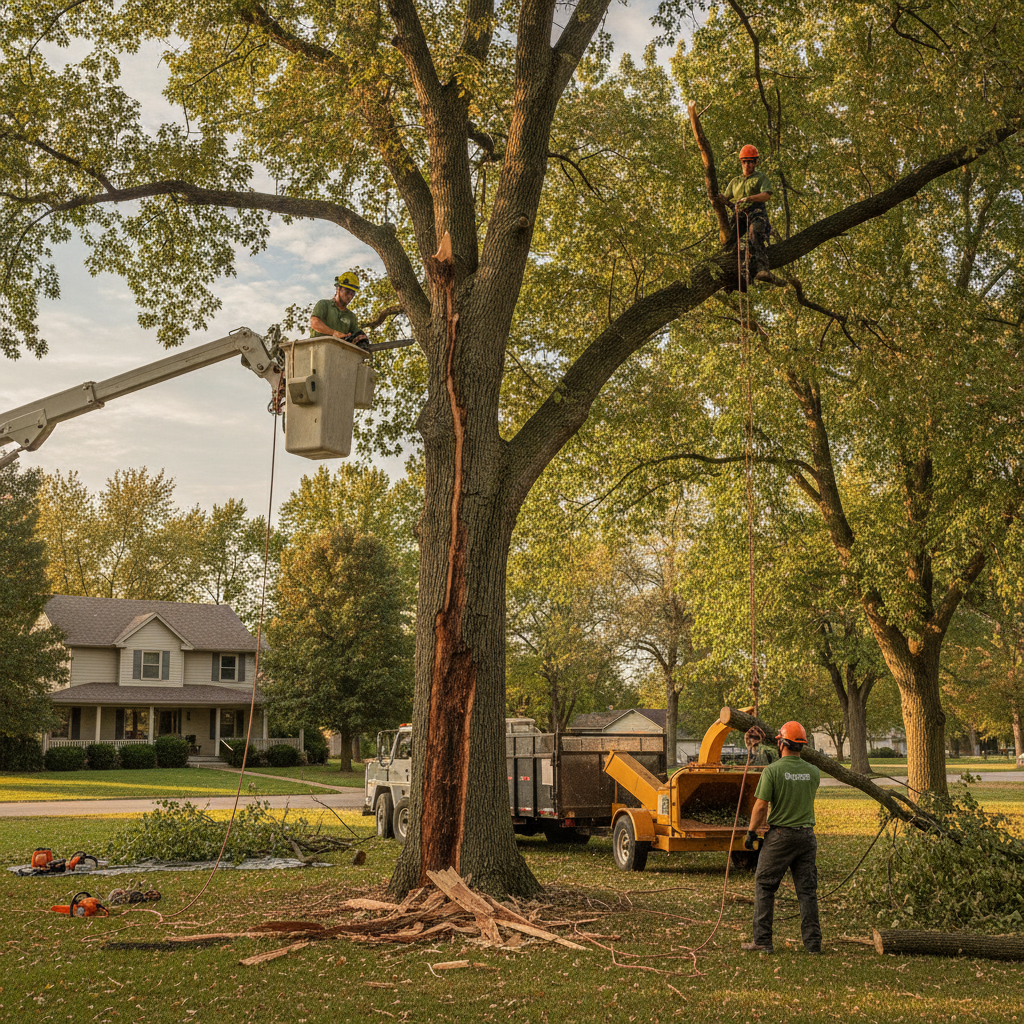
Lightning can strip bark off a Topeka oak or silver maple and still leave the tree standing. Learn the signs, why dieback waits, and when to call a provider.
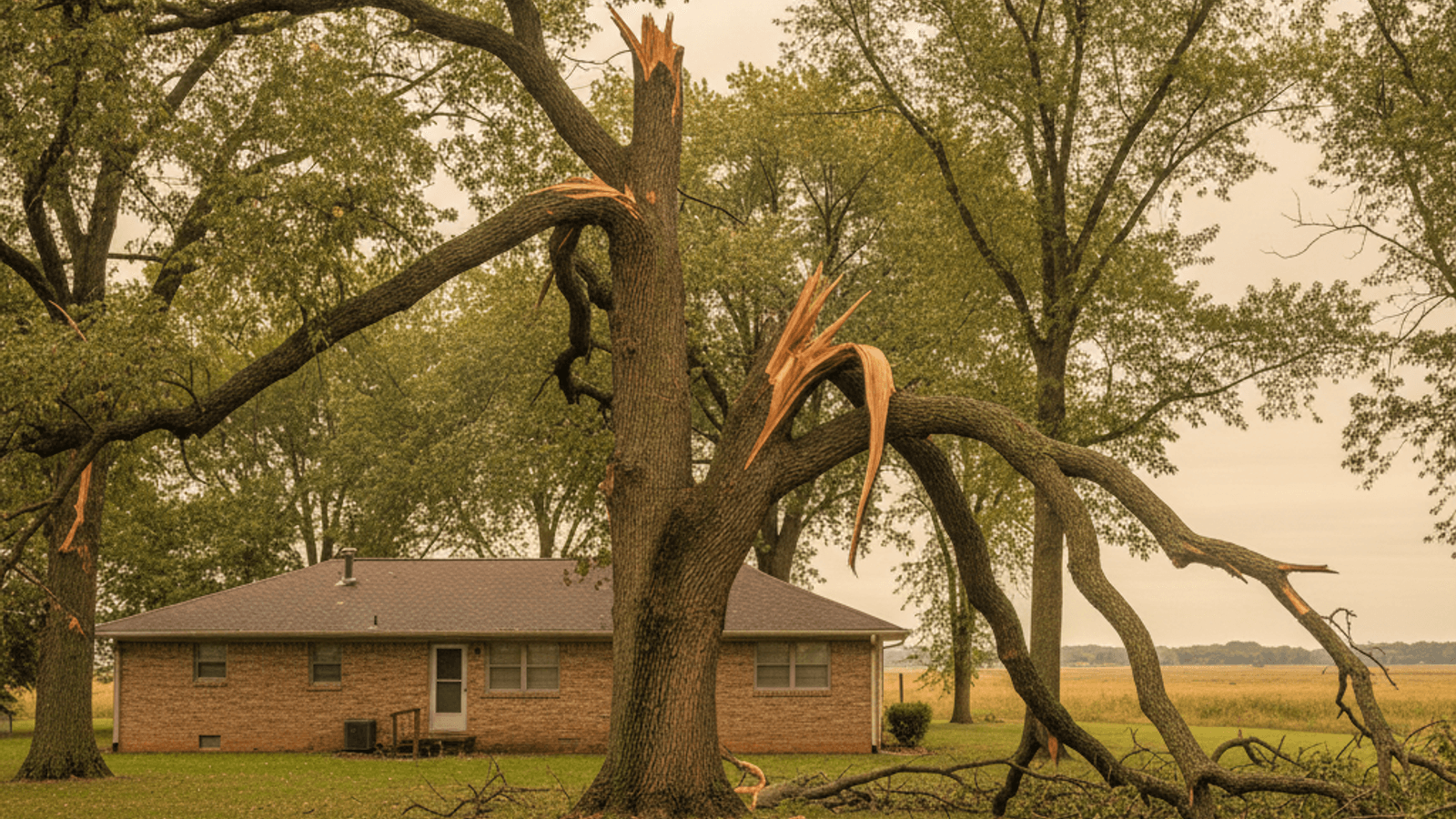
K-State's Shawnee County storm-pruning handout says topping, cutting main branches to stubs, is not a recommended procedure. Here's what to do instead.
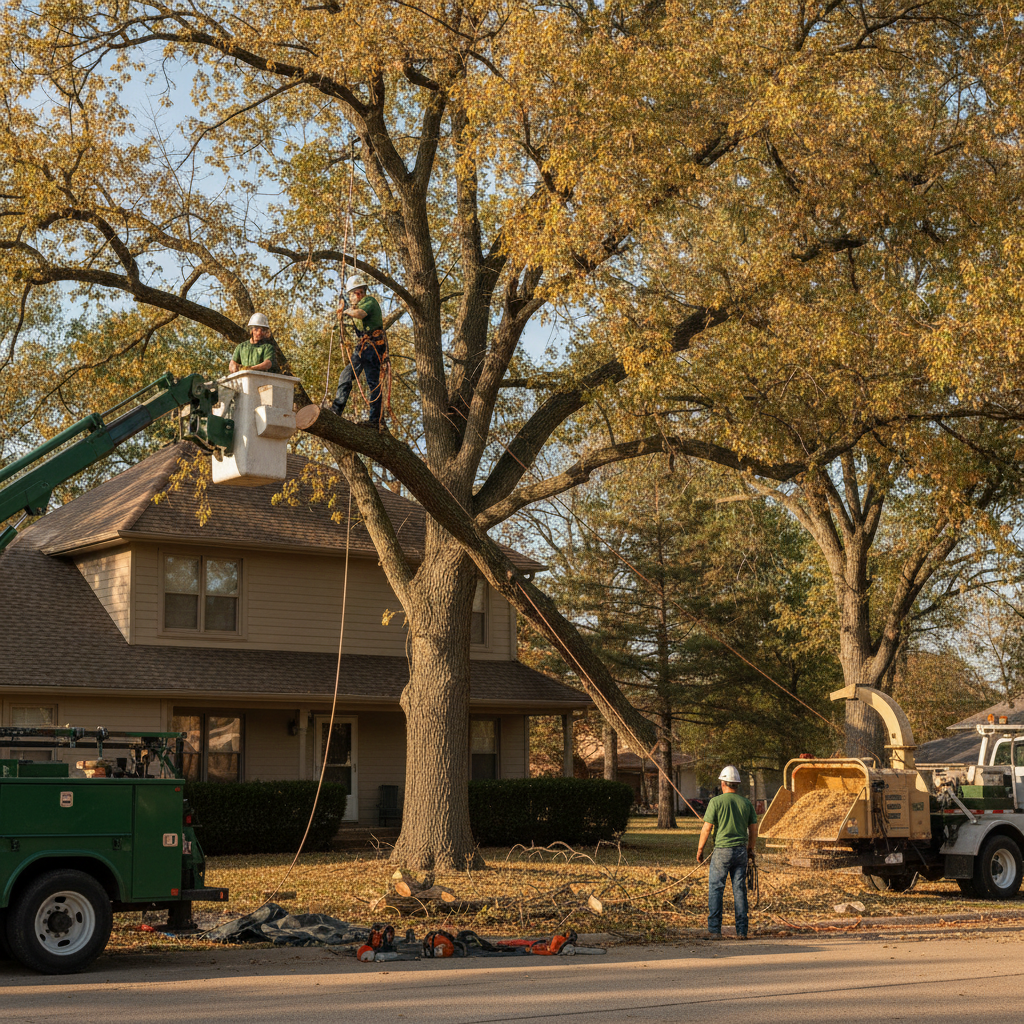
Pin oak is a common Topeka street tree that yellows on high-pH clay. How chlorosis works, when to prune, and when a species change is the honest call.
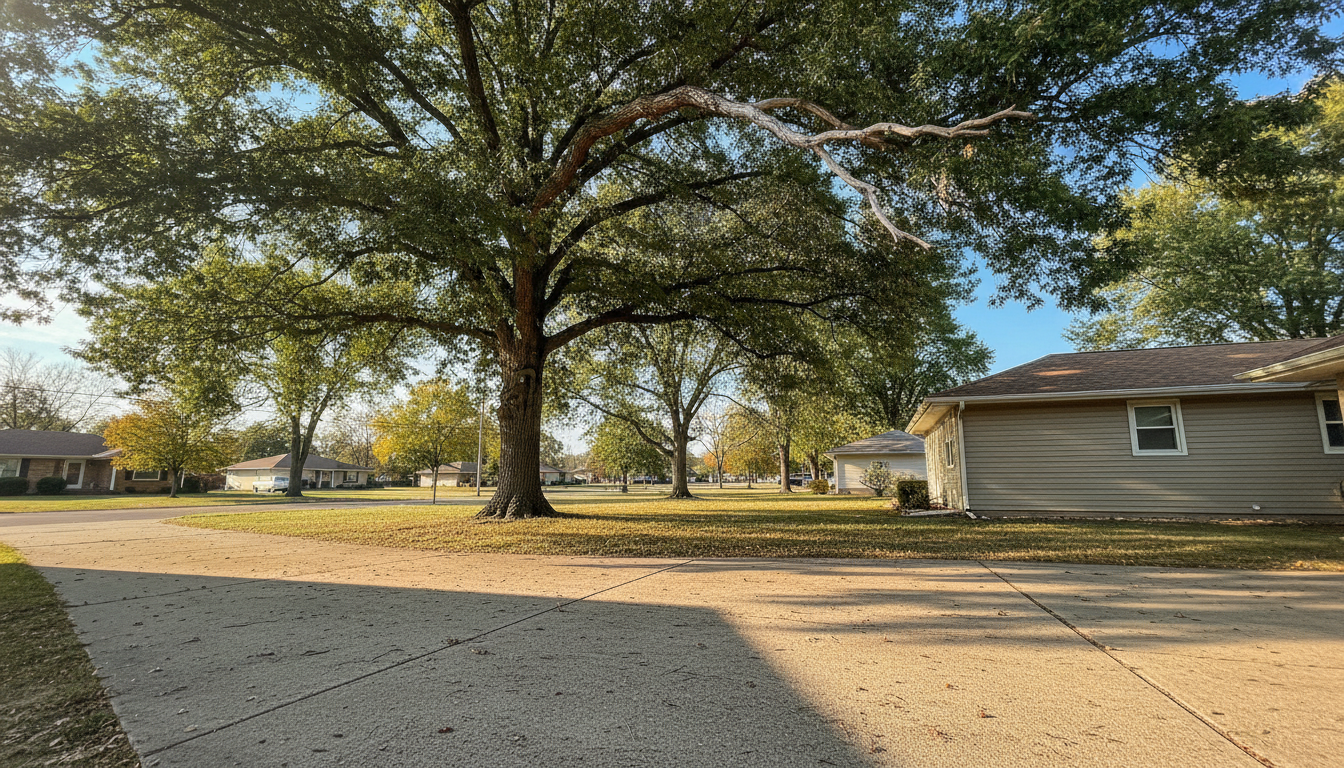
Late February through April, before bud break. Oaks skip April, May, and June. Dead, broken, or hazardous limbs can come down now.
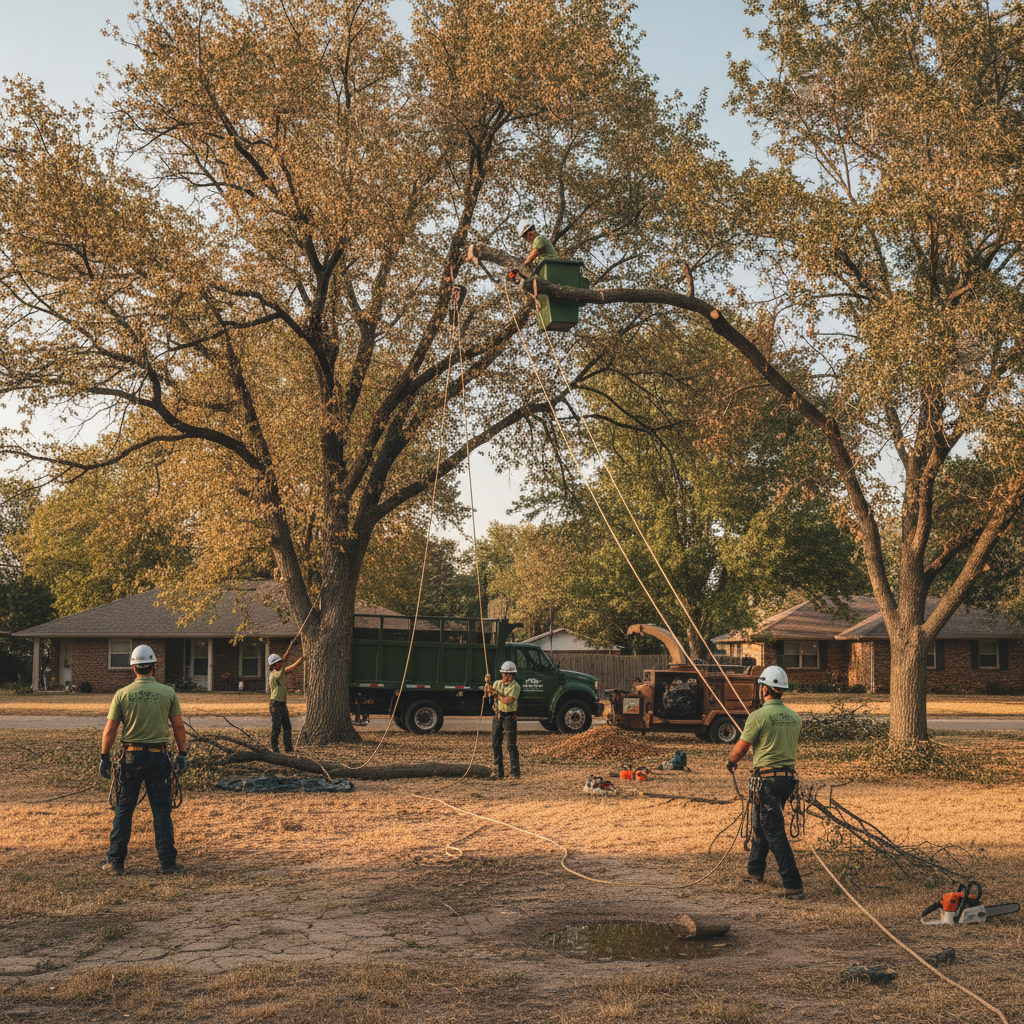
Scorched leaf edges on Topeka trees are drought stress on heavy clay. Learn the signs, which species fade first, and why a deep soak beats a sprinkle.
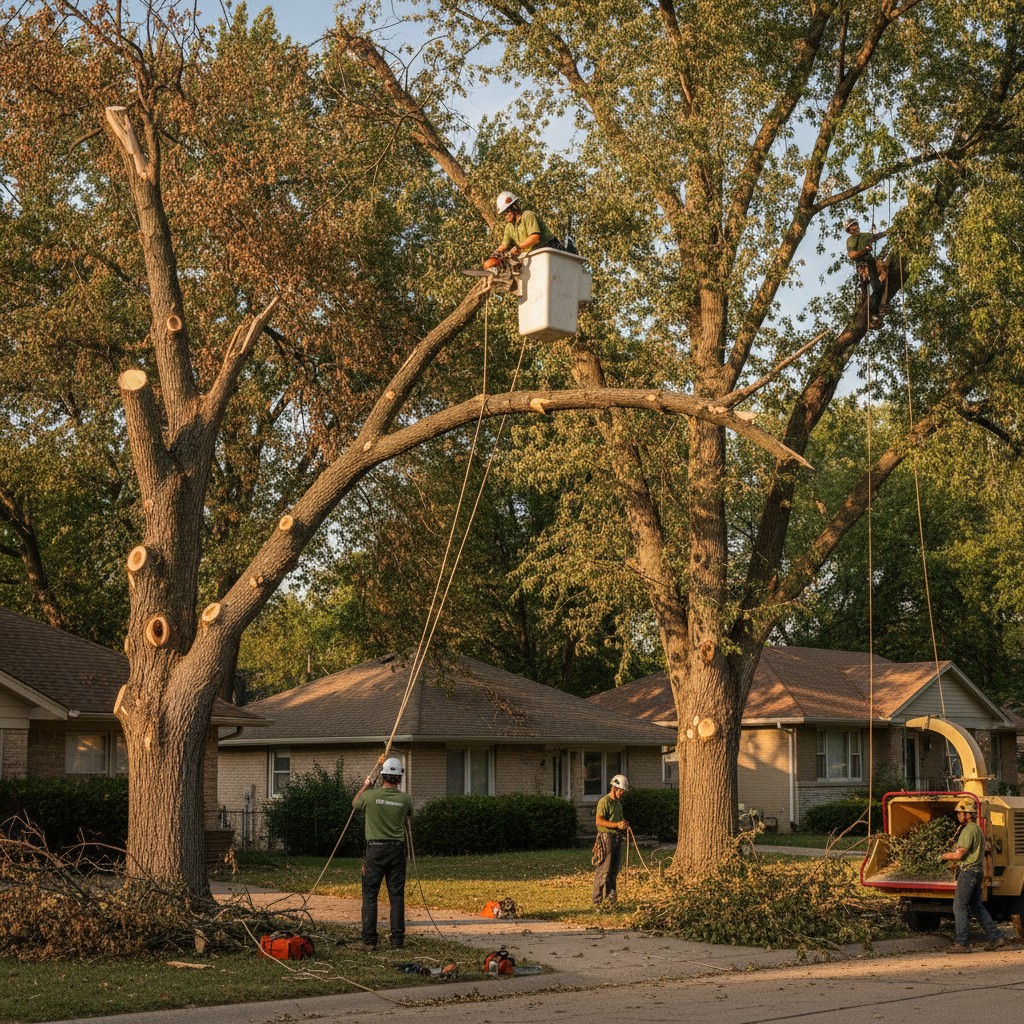
After a Topeka hailstorm, stripped leaves often flush again. Split wood and bark wounds are the real tell. Here's what to wait on and when to call.
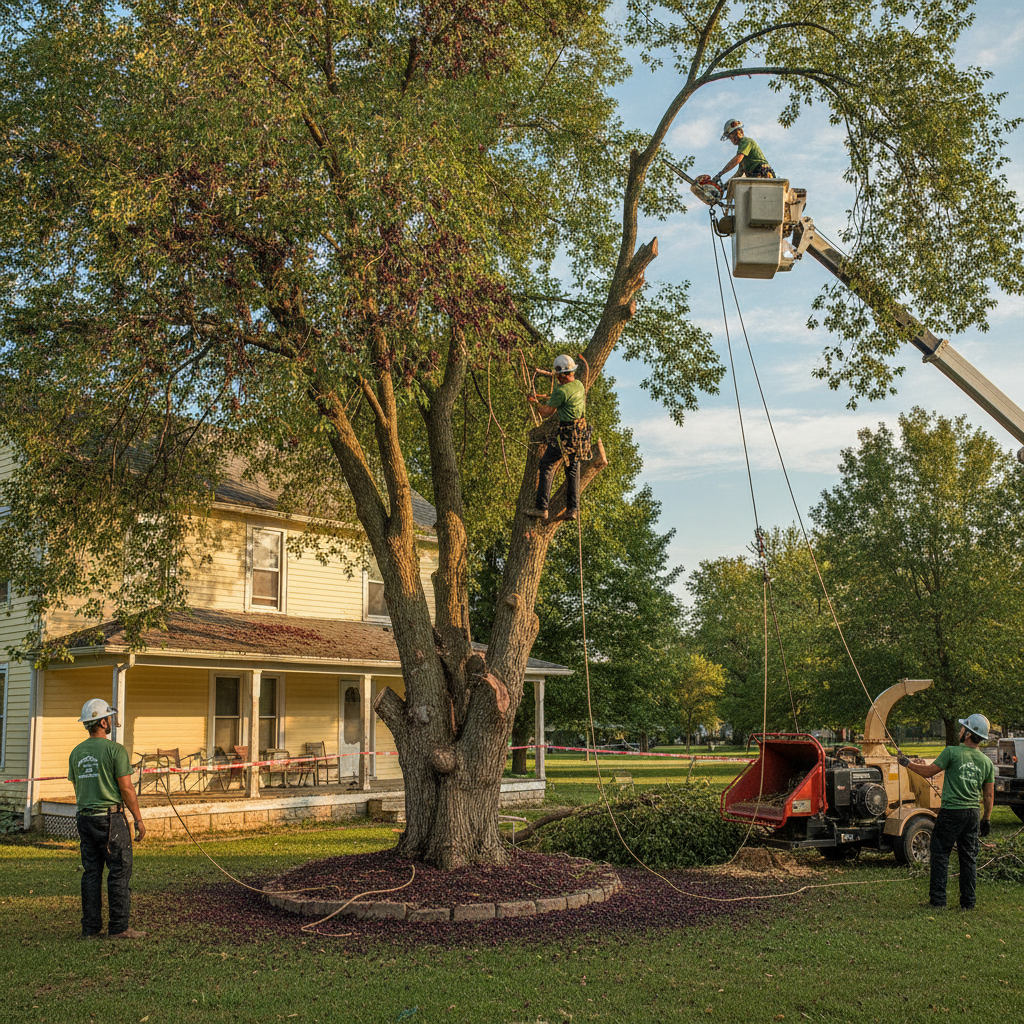
Mulberry fruit stains Topeka driveways, and the stump keeps coming back. How removal plus grinding works here, and what actually moves the cost.
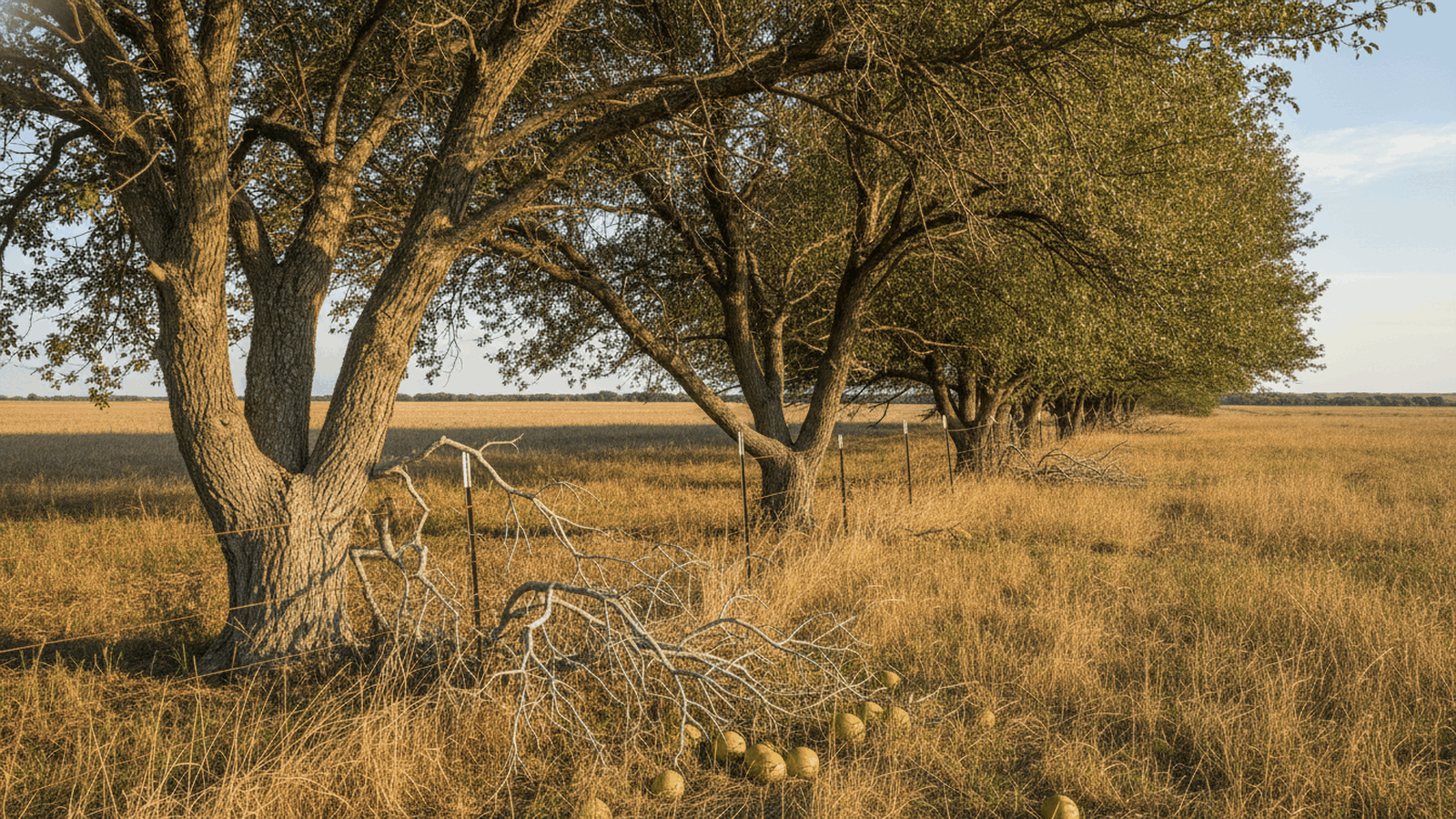
Cutting Osage orange (hedge) will not get rid of it. K-State says these trees resprout. Dig them out or treat the stump on a Topeka-area row.
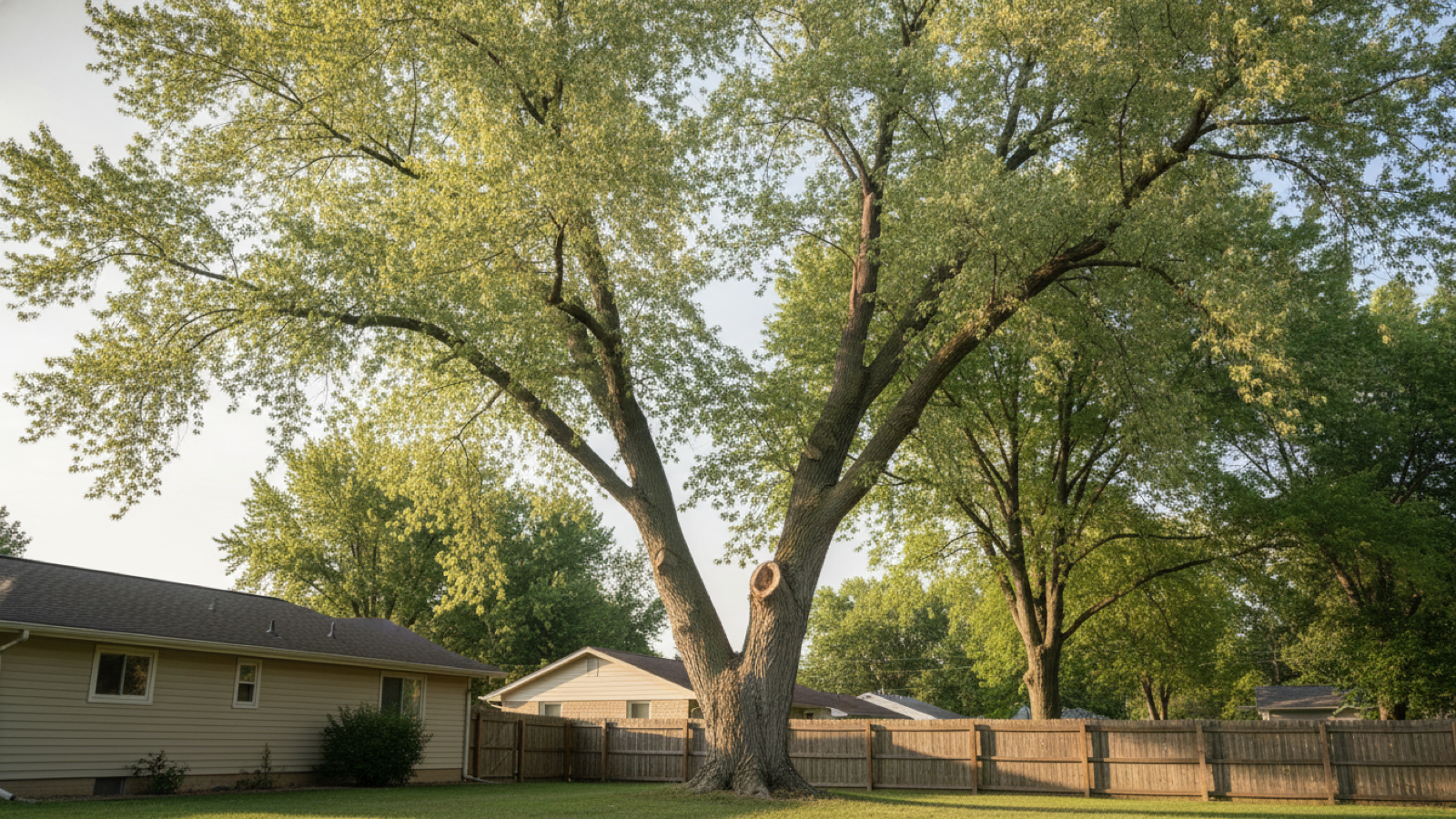
A silver maple can live 130 years or more, but in a Topeka yard structure runs out before biology does. Here's what the Kansas sources actually say.
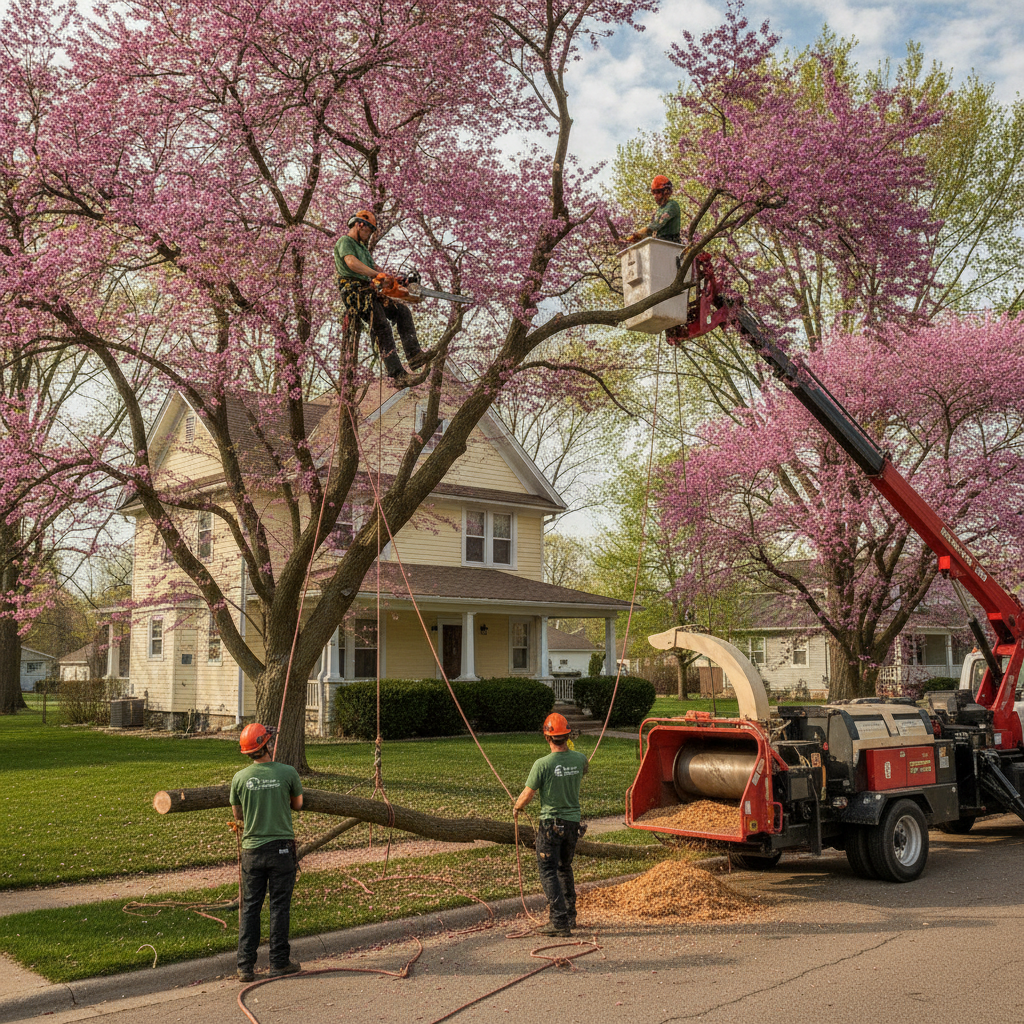
Eastern redbud lights up Topeka yards each spring, then often fades after a couple of decades. Why it thrives here, what fails, and when to prune.
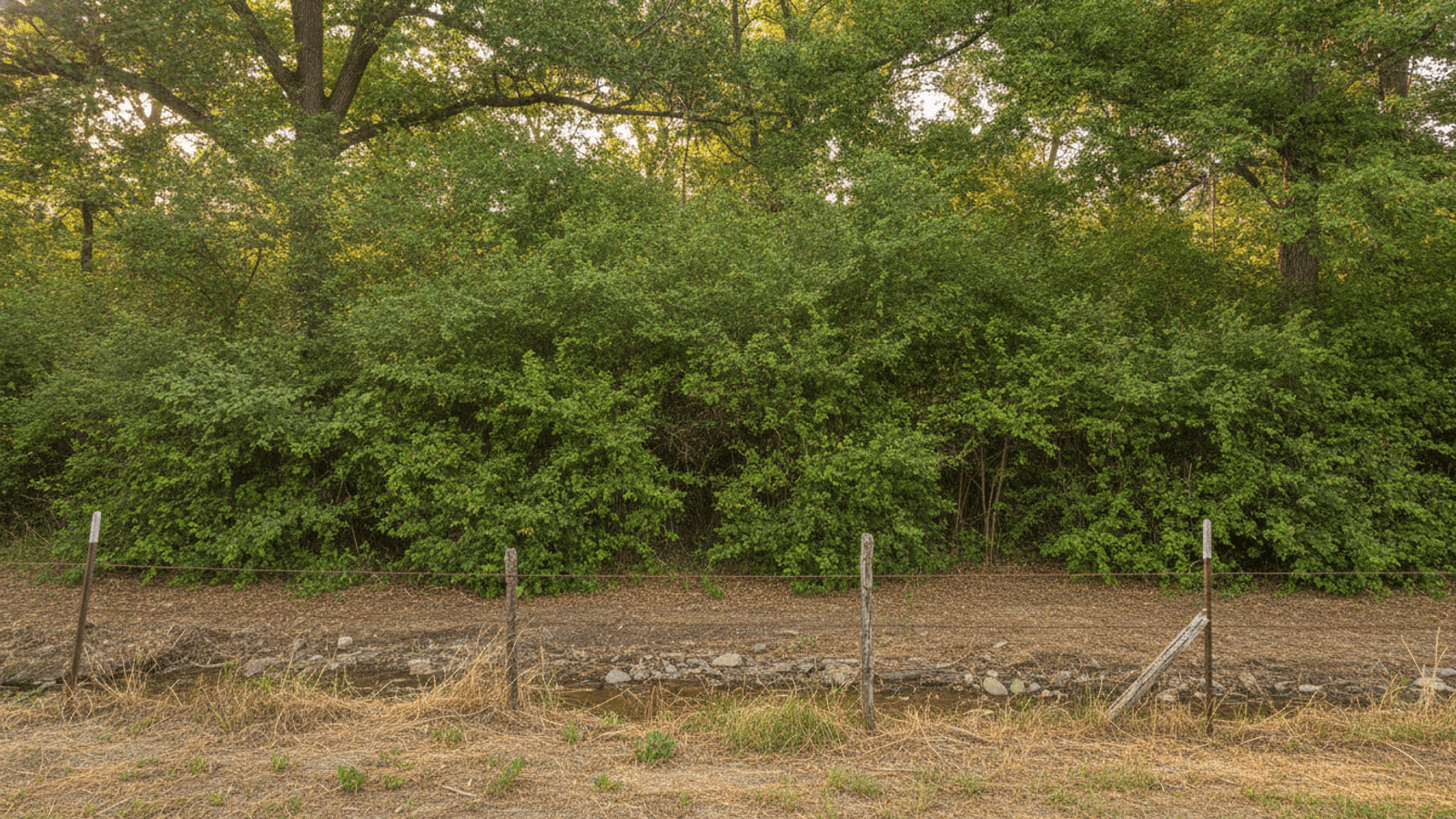
Kansas added Amur honeysuckle to the noxious weed list in May 2026. Shawnee County landowners must control it. Here's what that means and when to treat.
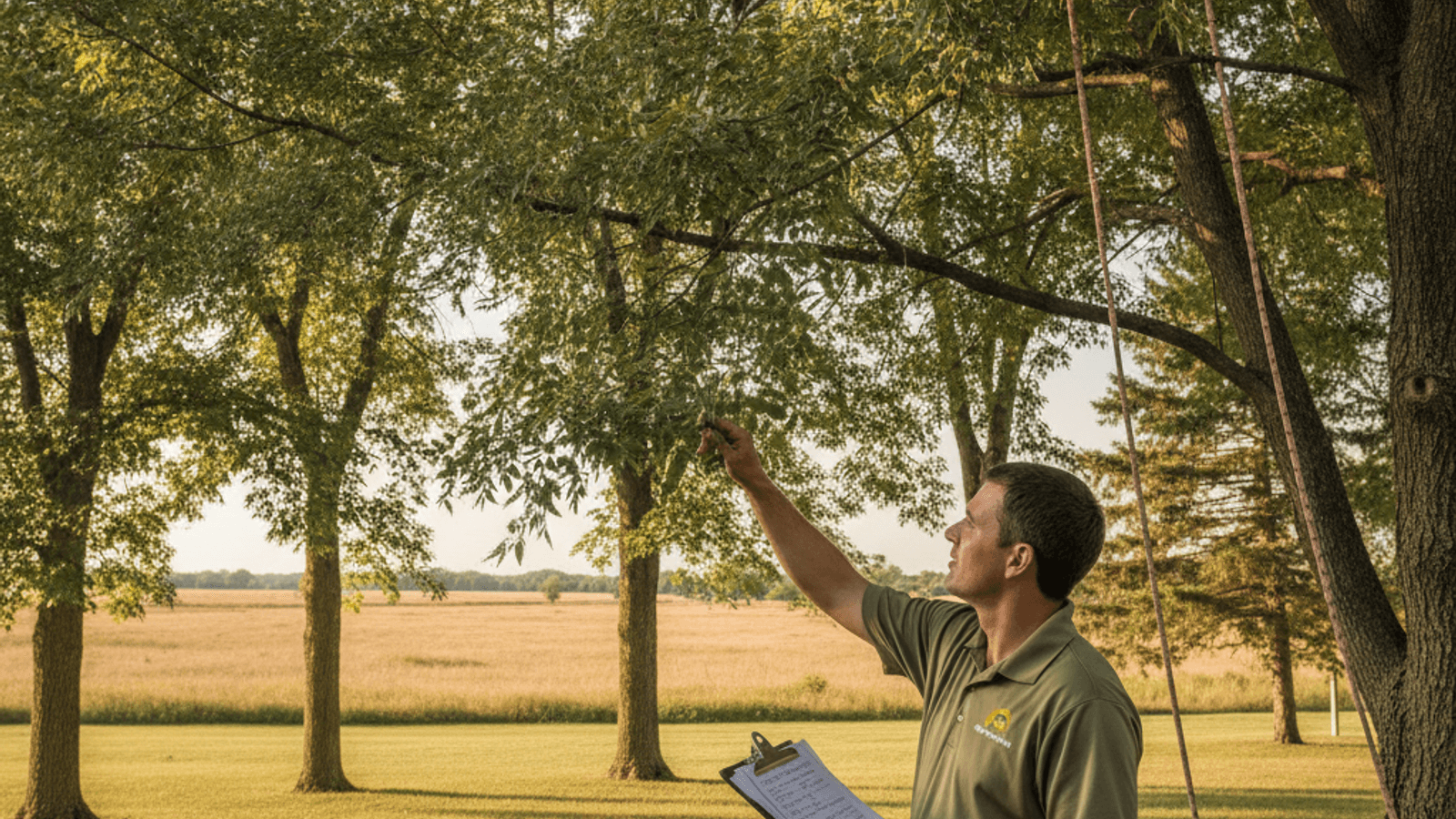
Ash trees grow well in Kansas, but emerald ash borer threatens the species. Care depends on the variety, site conditions, and pest management.
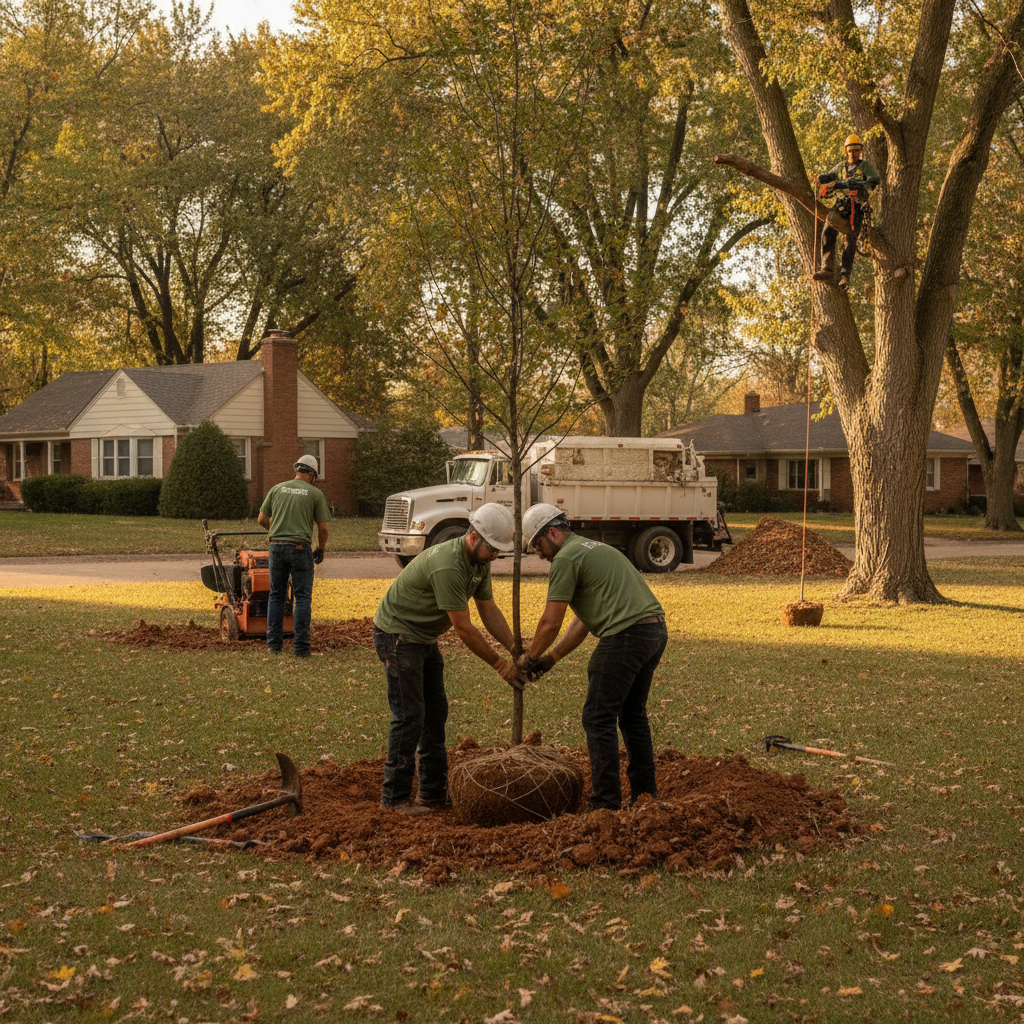
Plant trees in Greater Topeka in fall, after summer heat and before the clay freezes. Roots settle through winter, then face the first Kansas summer.
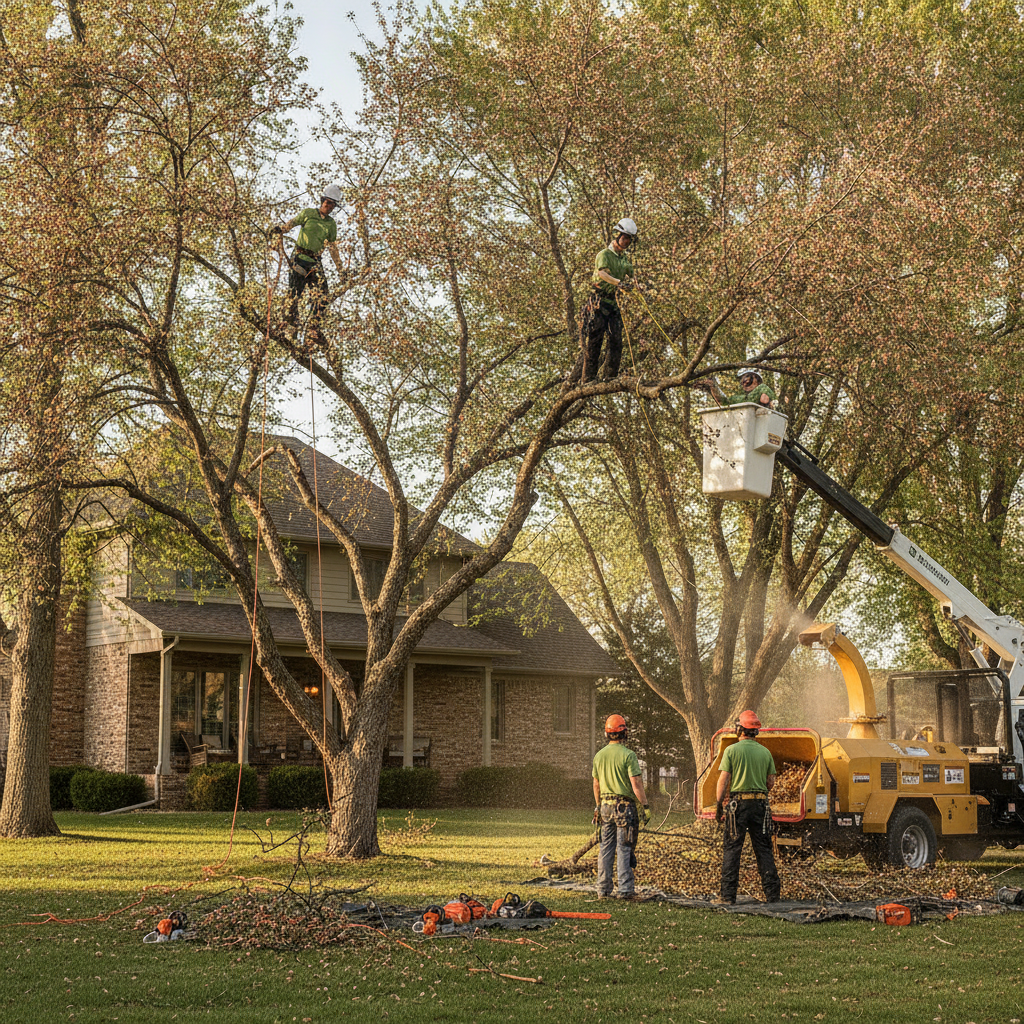
A crabapple tree in a Topeka yard is a spring bloom that can end in fire blight, scab, and fruit on the walk. What still works here, and when to take one down.
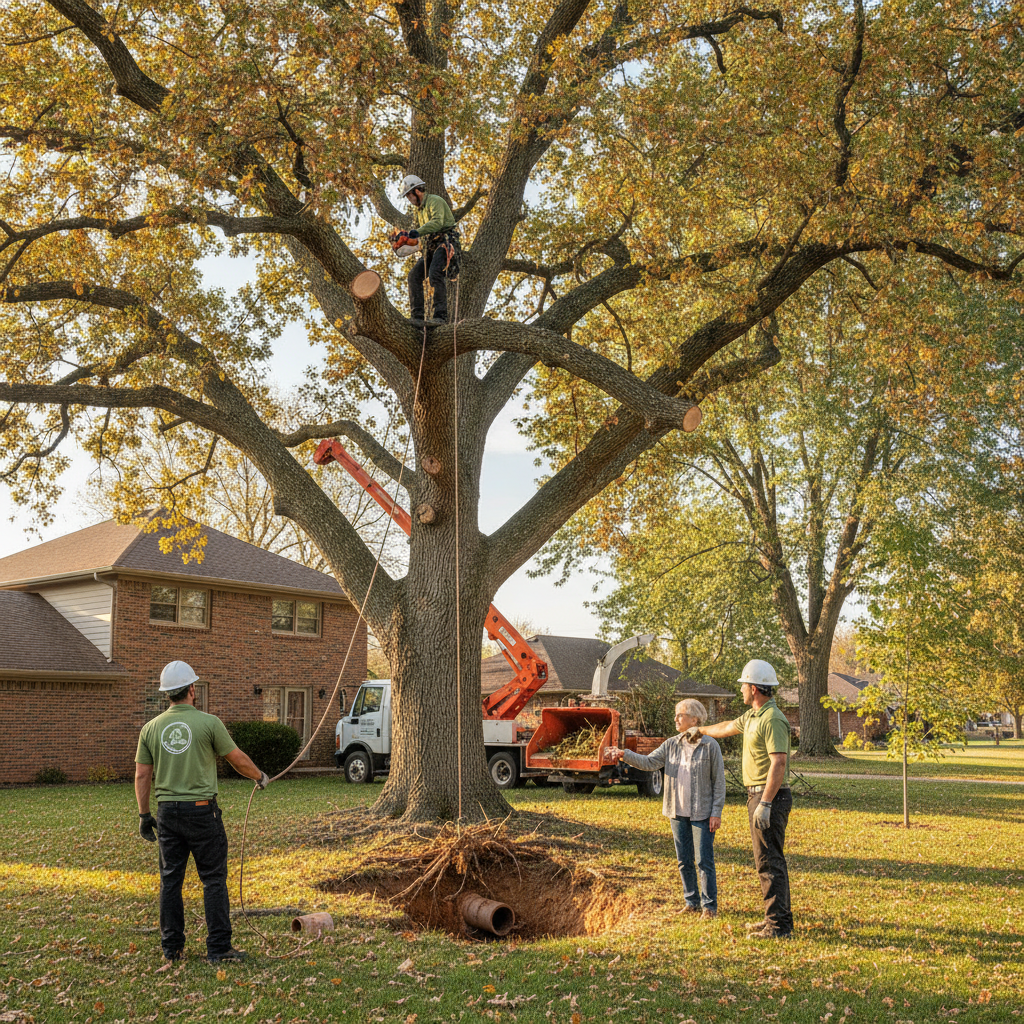
Roots enter a Topeka sewer at a clay or fiber-pipe joint, then thicken until drains back up. See who owns the lateral and when the tree can stay.
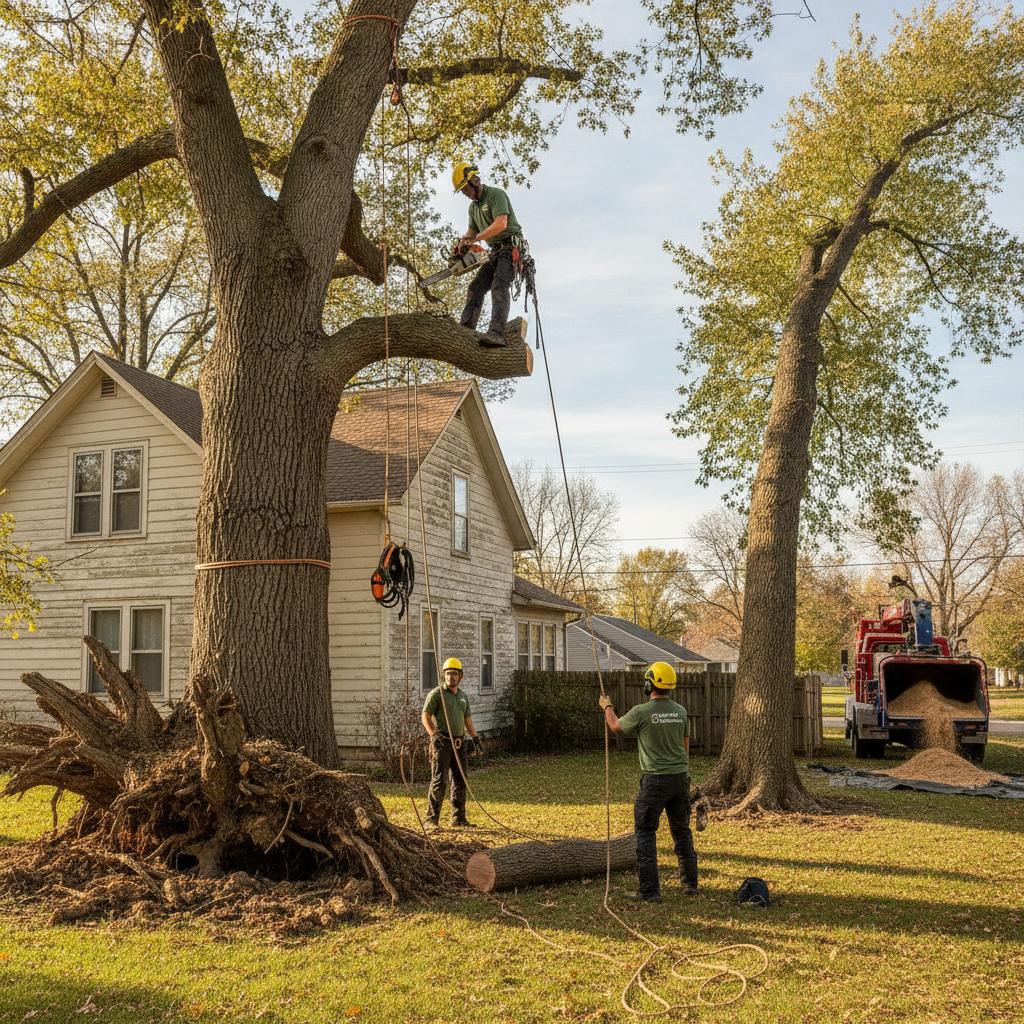
A new lean after a Topeka storm, with soil heaving at the base, is a different problem than a tree that grew at an angle. Here's how to tell them apart.
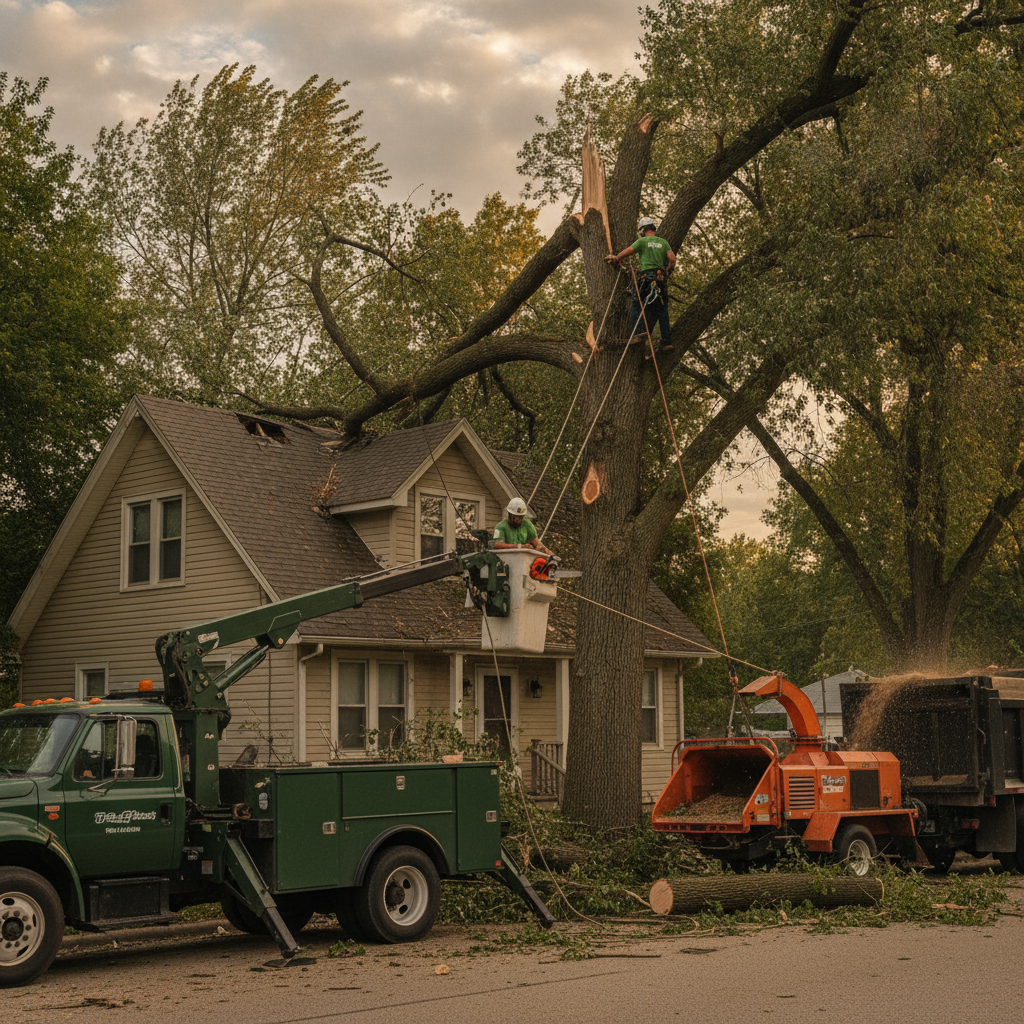
When ice or wind drops a limb on a Topeka roof, that's emergency tree work. What counts as urgent, how wires change the job, and what a crew does first.
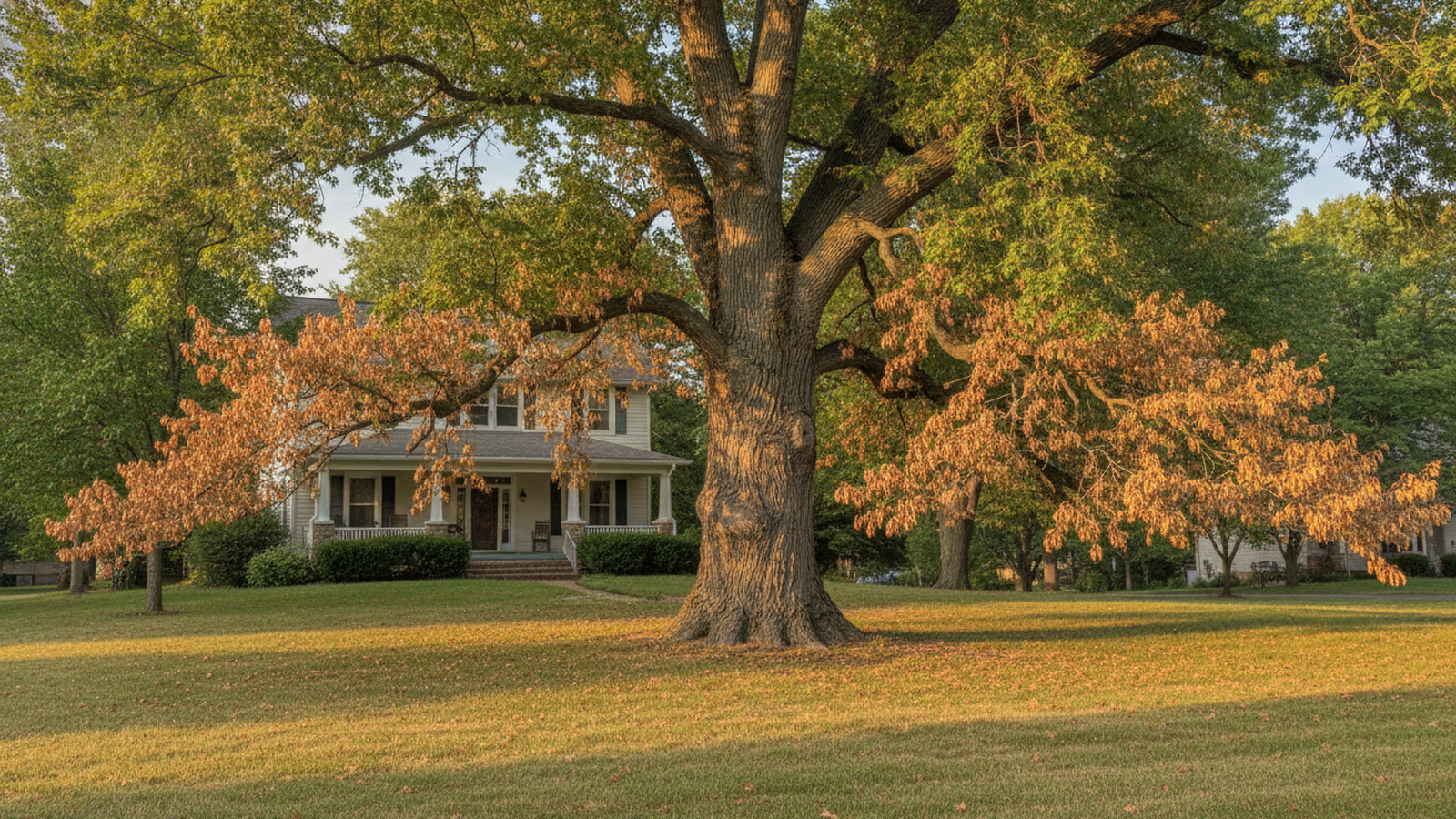
Brown leaves on a bur oak can have more than one cause. Similar symptoms need diagnosis; do not identify blight or oak wilt from signs alone.
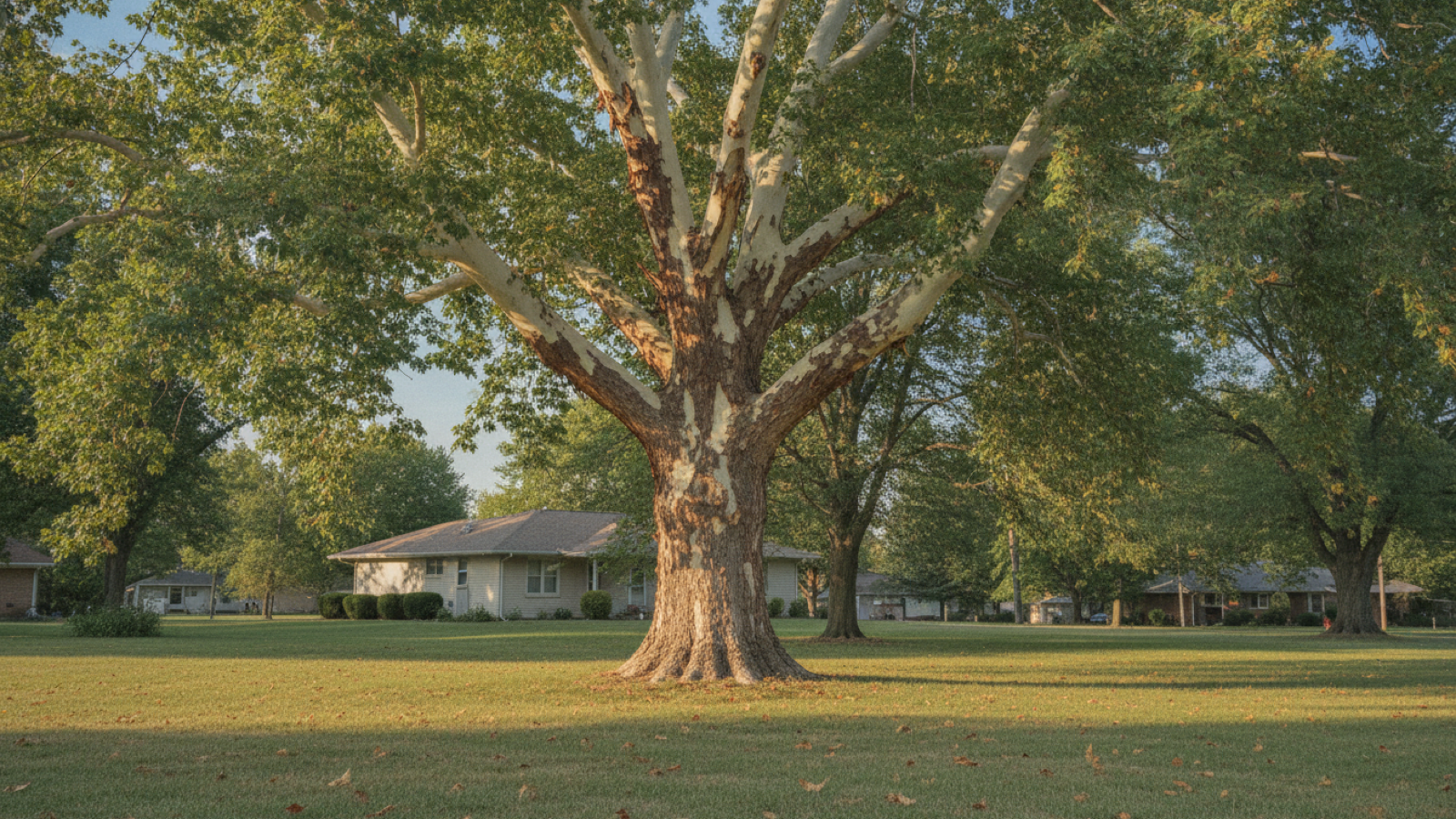
Sycamore leaf and bark symptoms can overlap. Compare the pattern you see with other possible causes before treating it as a confirmed disease.
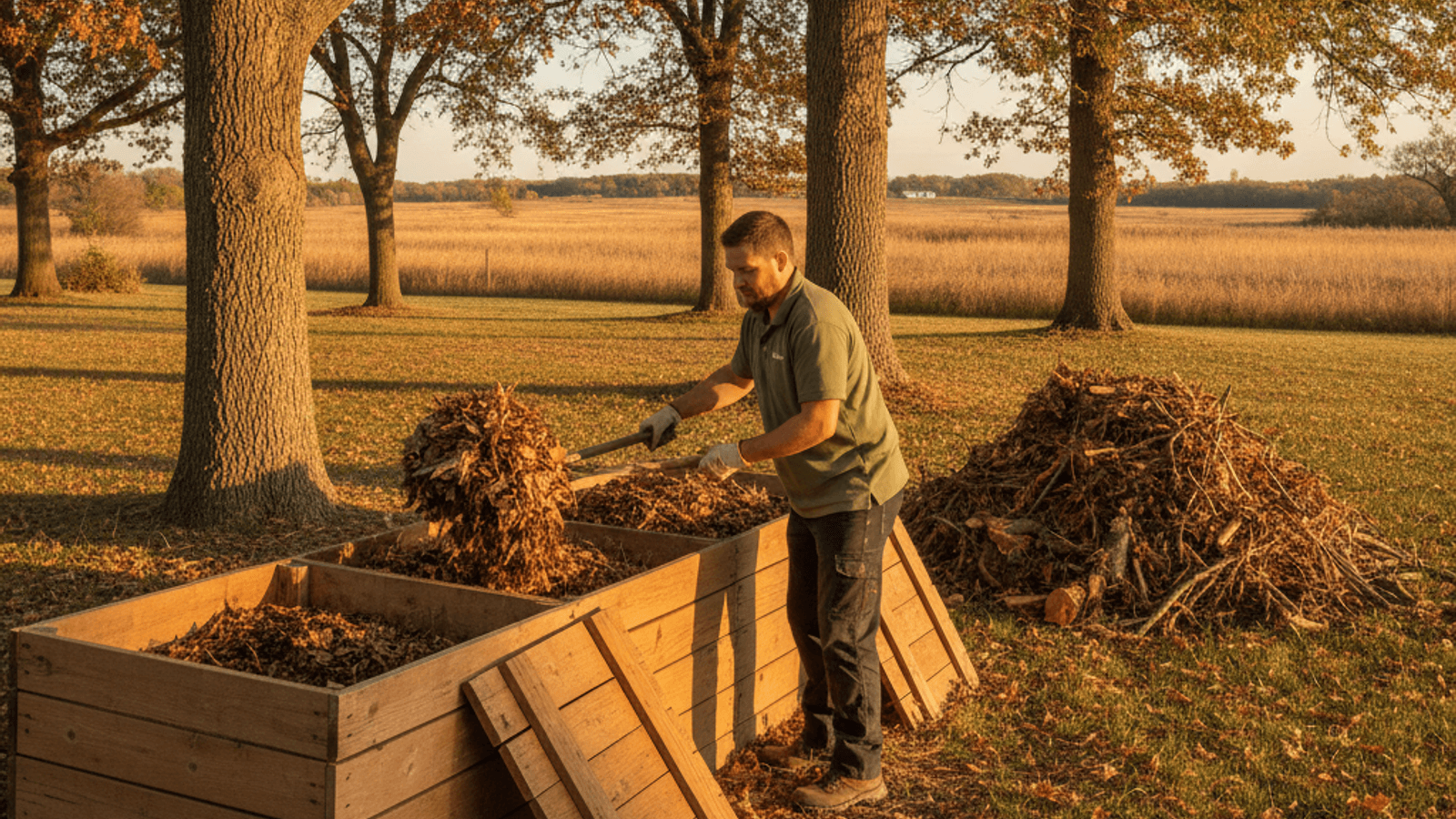
A home composting system can turn tree-trimming waste and leaves into soil amendment. Compare bin style, materials, and yard placement for Greater Topeka.
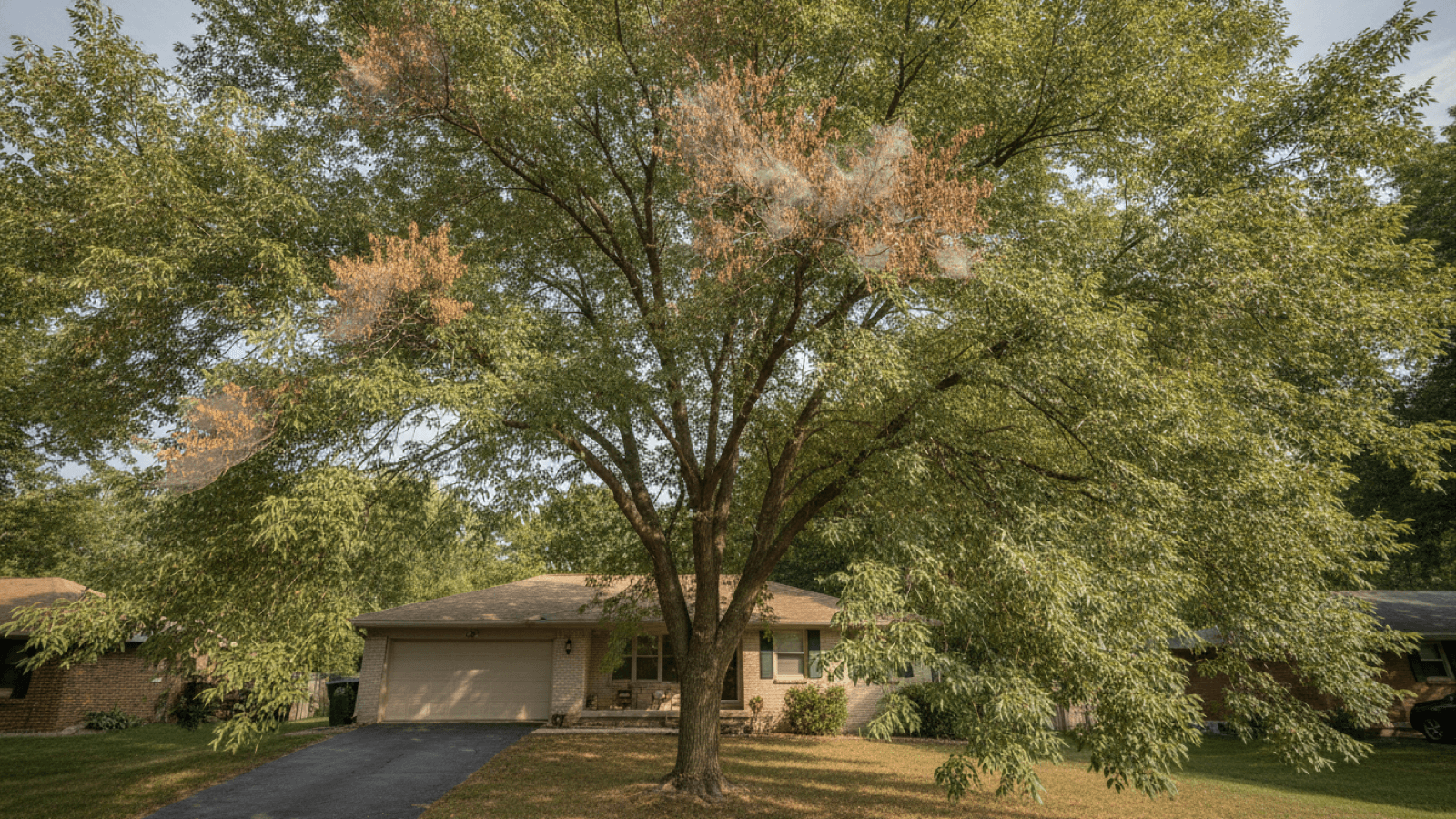
Honey locust canopy problems can have more than one cause. Treat webbed or browned foliage as a reason to compare signs, not as a confirmed diagnosis.
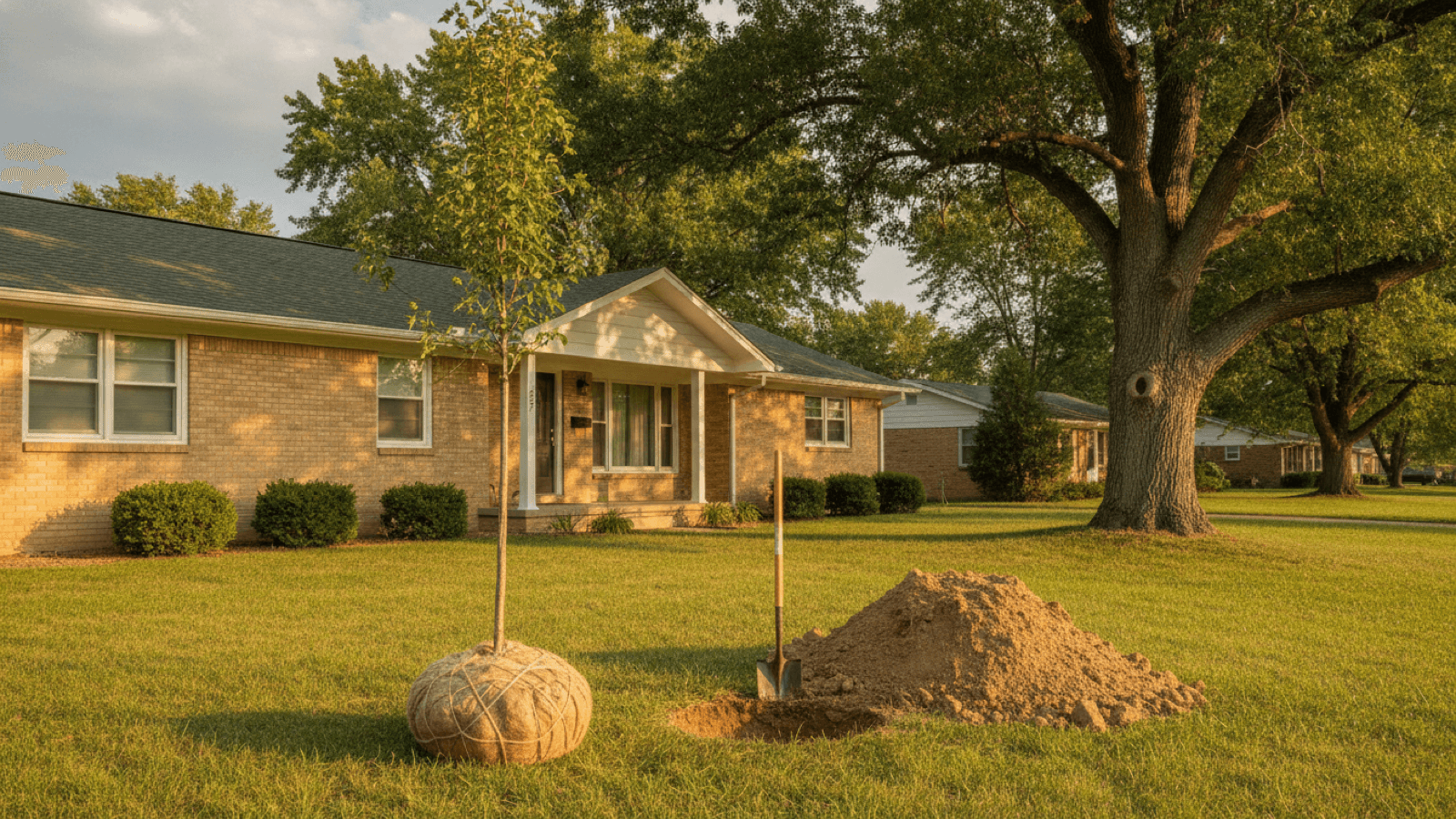
Tree planting cost in Topeka starts with a site quote. Compare removal, stump work, Kansas programs, timing, and City planting permits.
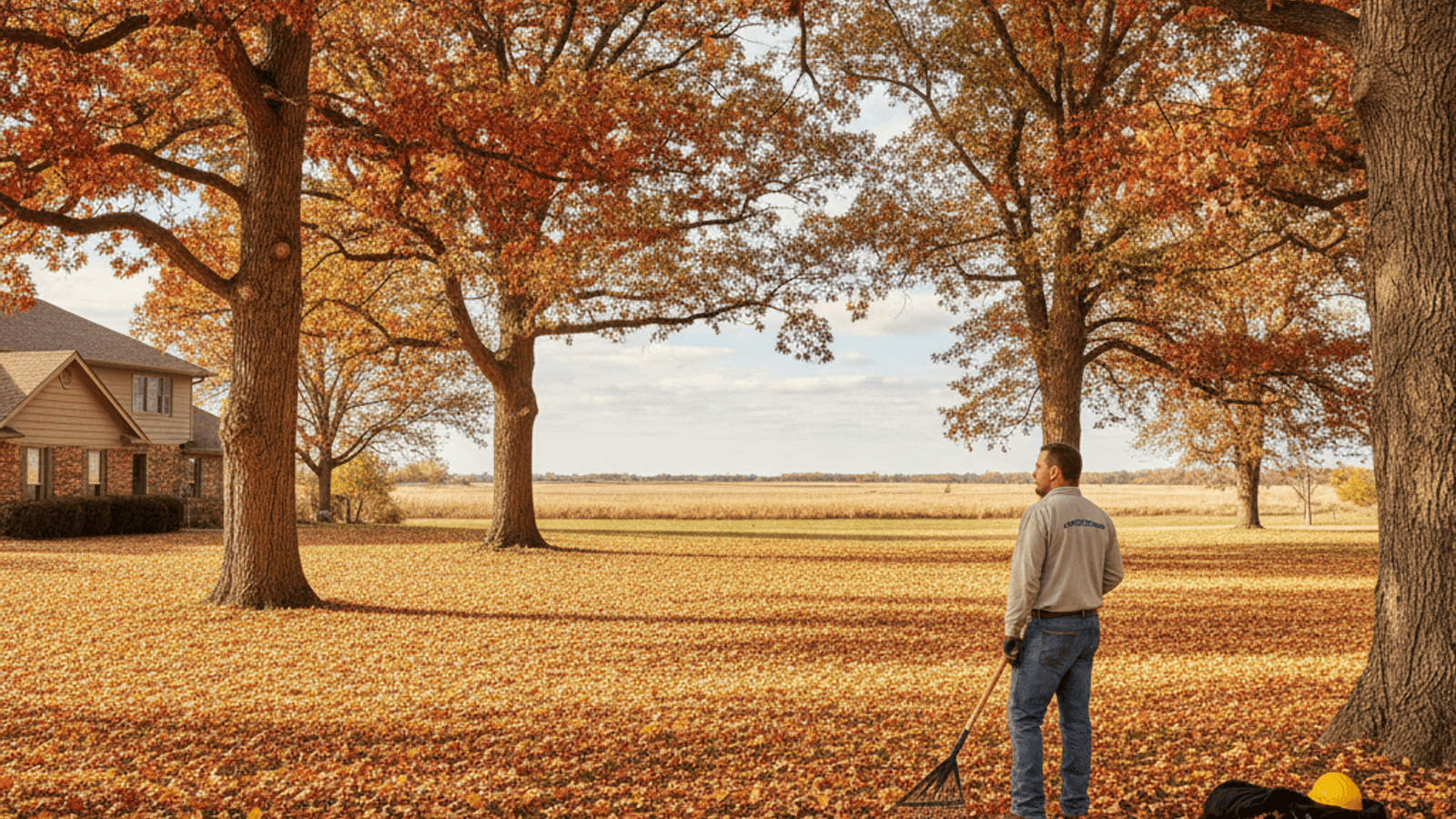
Decide whether to mulch, rake, haul, or hire help for fall leaves in Topeka. Compare lawn conditions, drainage, debris, and written cleanup scope.
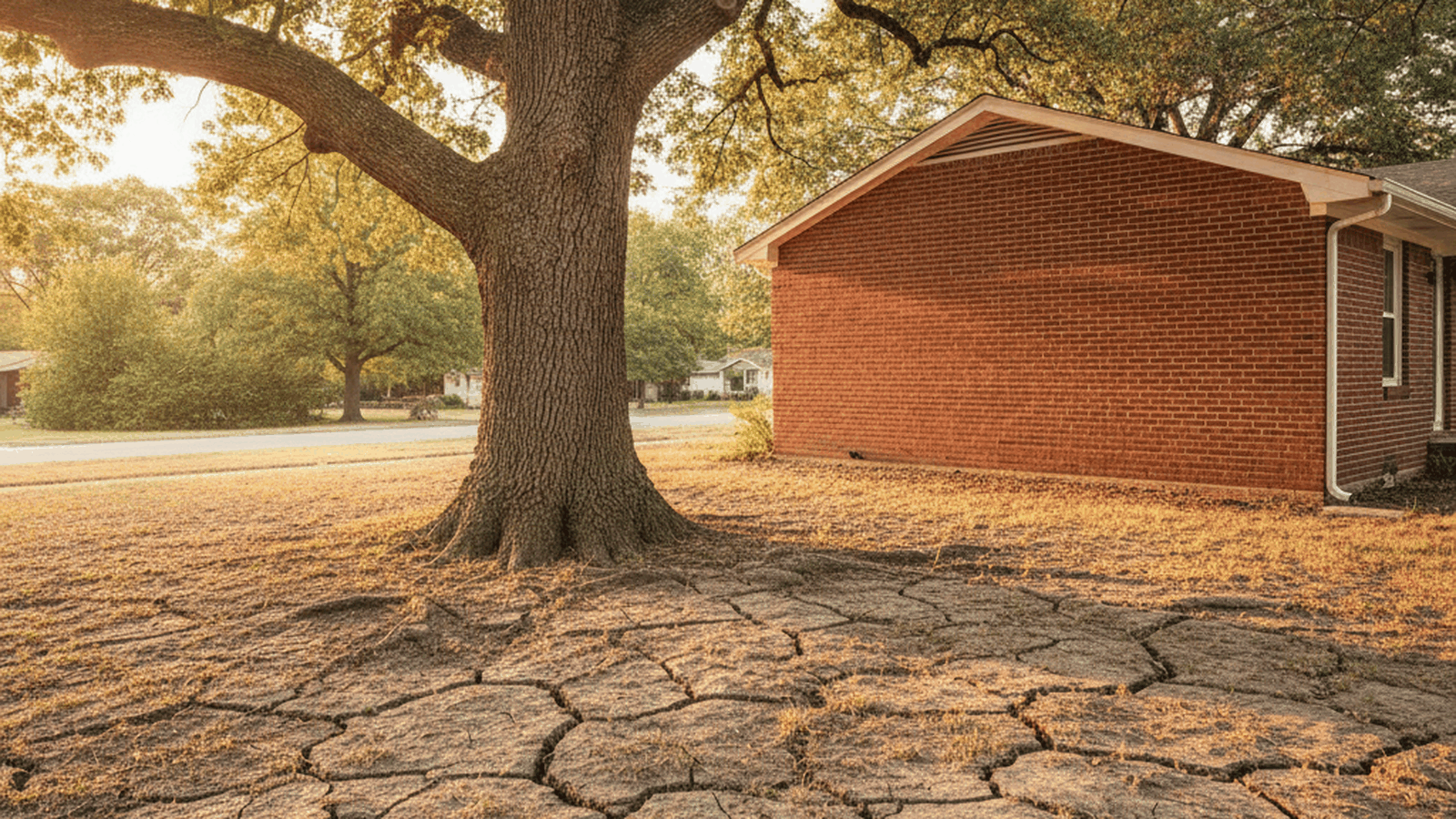
Tree roots can contribute to foundation movement when soil moisture changes. Learn what to inspect before deciding whether tree work belongs in the plan.
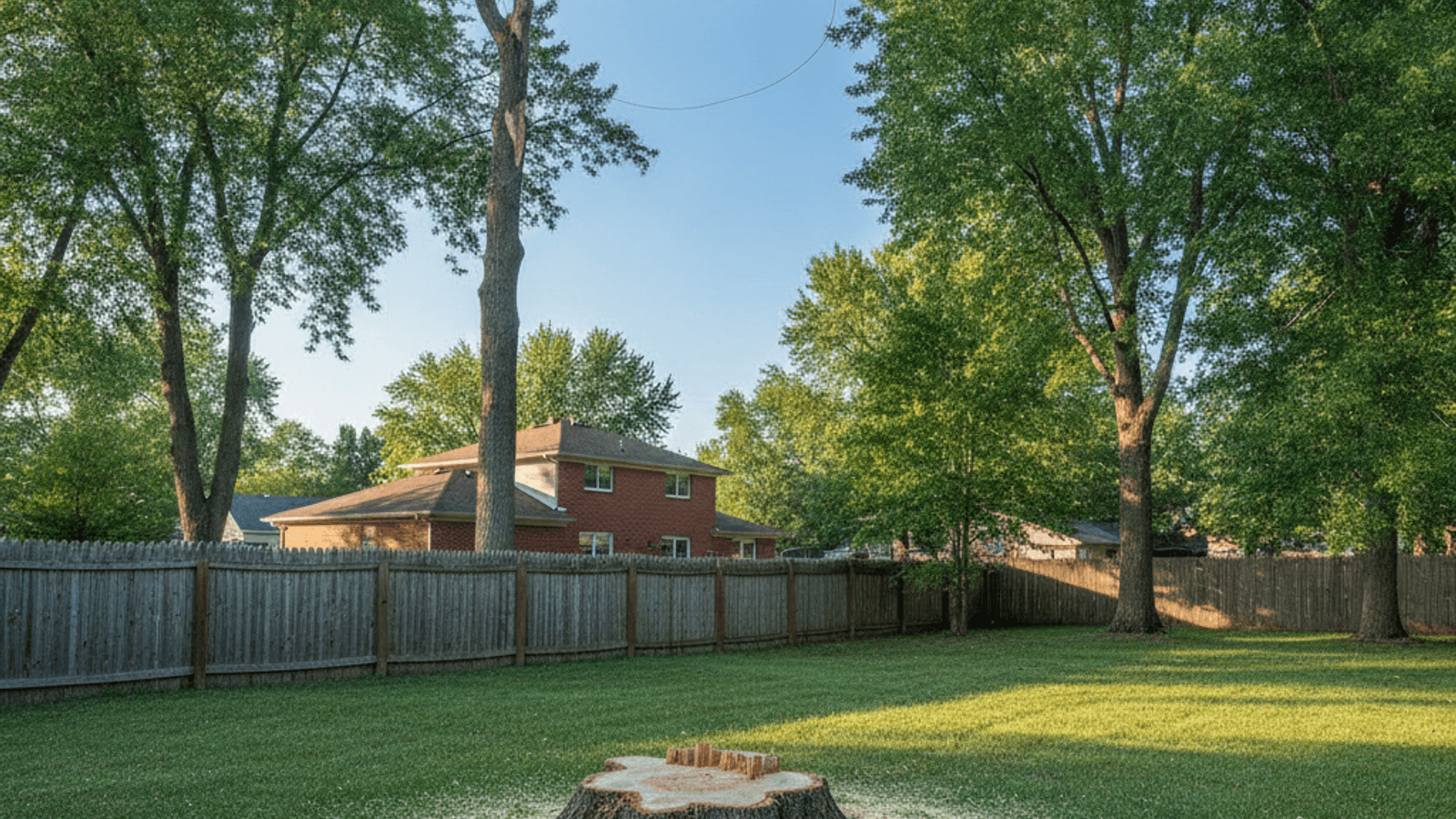
Document the tree that was cut, where it stood, and what remains. A replacement quote is one figure among others; confirm which valuation method applies.
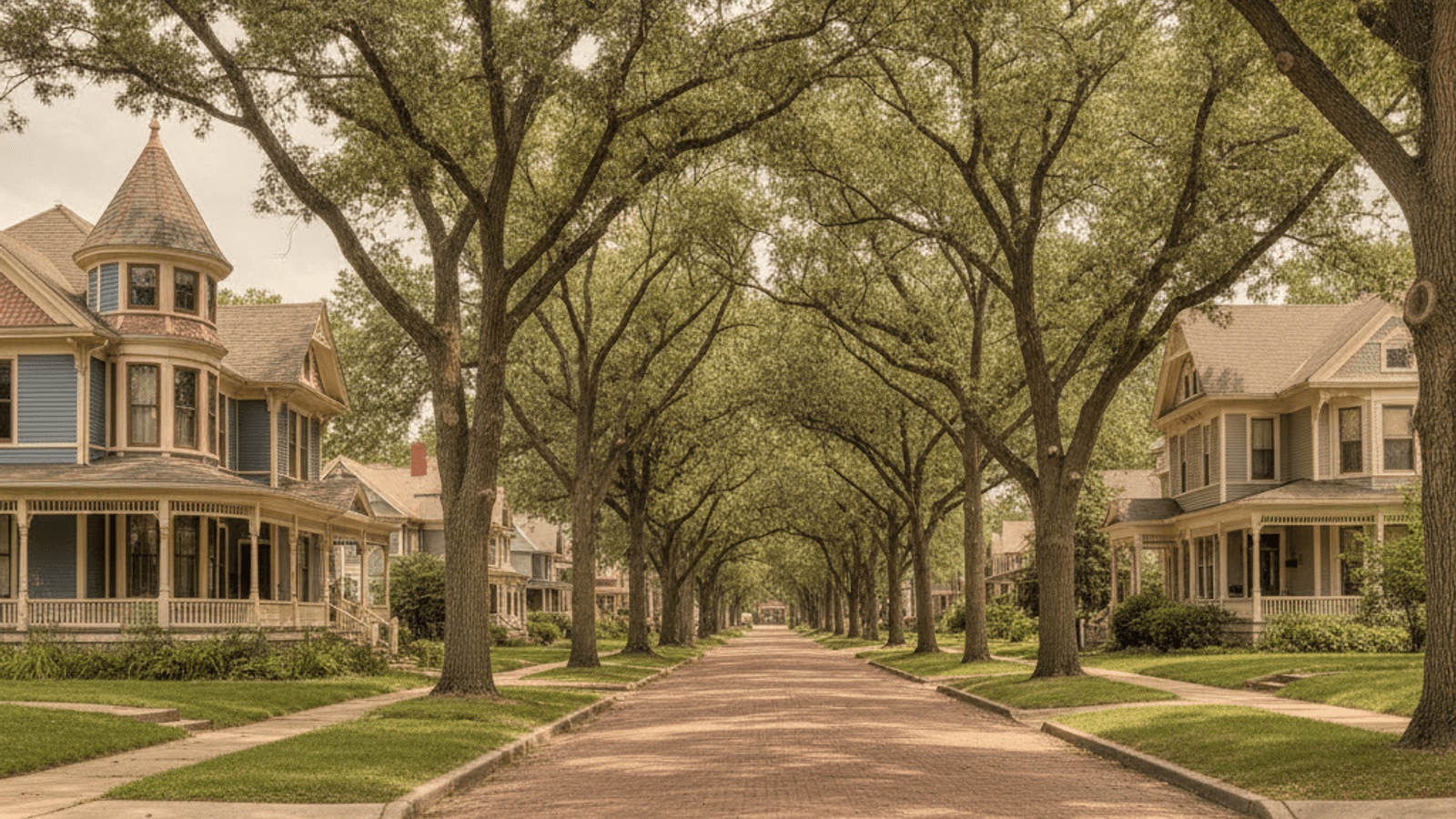
Tree removal in a Topeka historic district can involve property lines and a Forestry permit on city property or right-of-way. Confirm the tree's location.
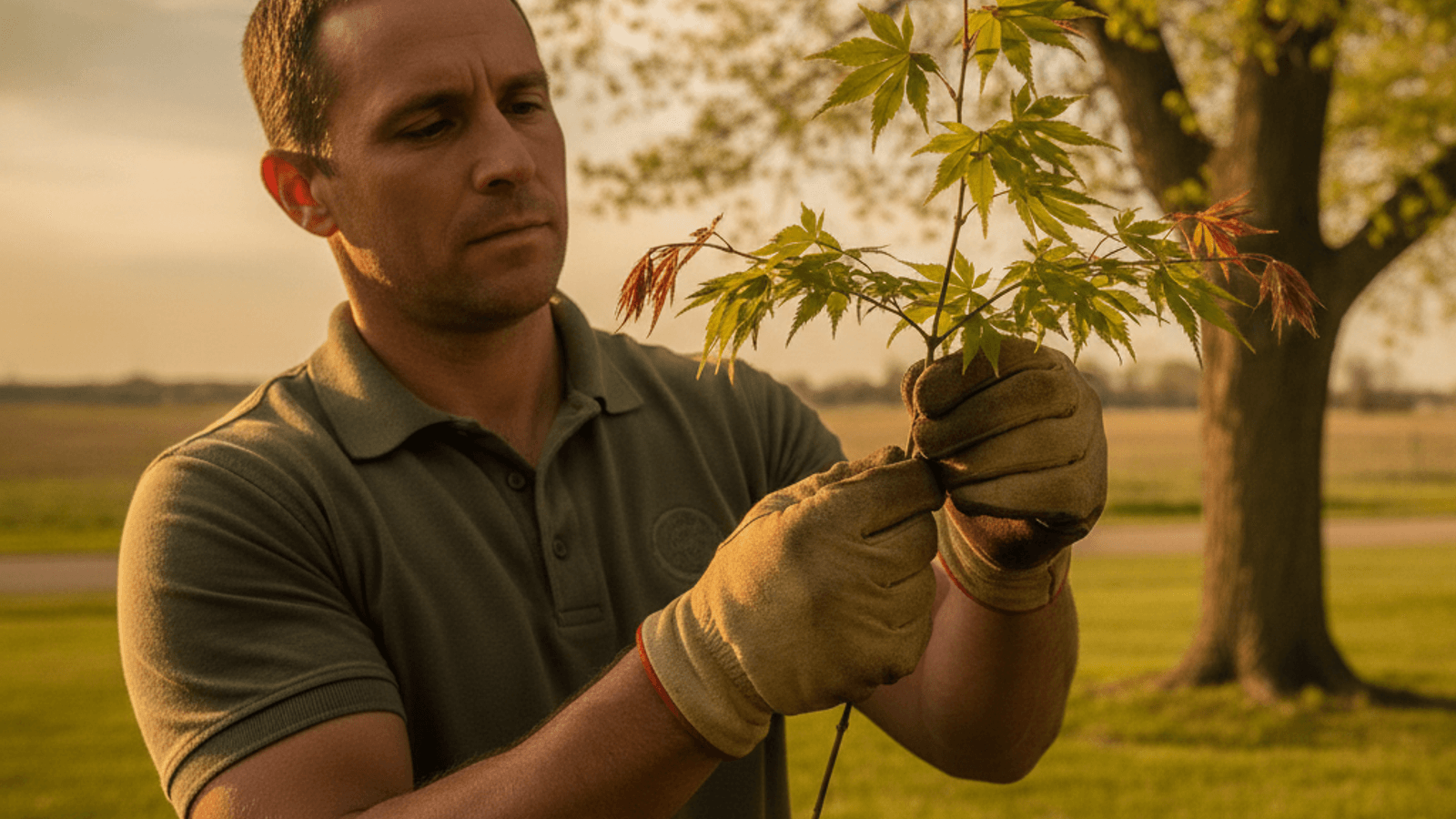
Compare morning sun, afternoon partial shade, drainage, drying wind, and mature cultivar size before choosing a Japanese maple.
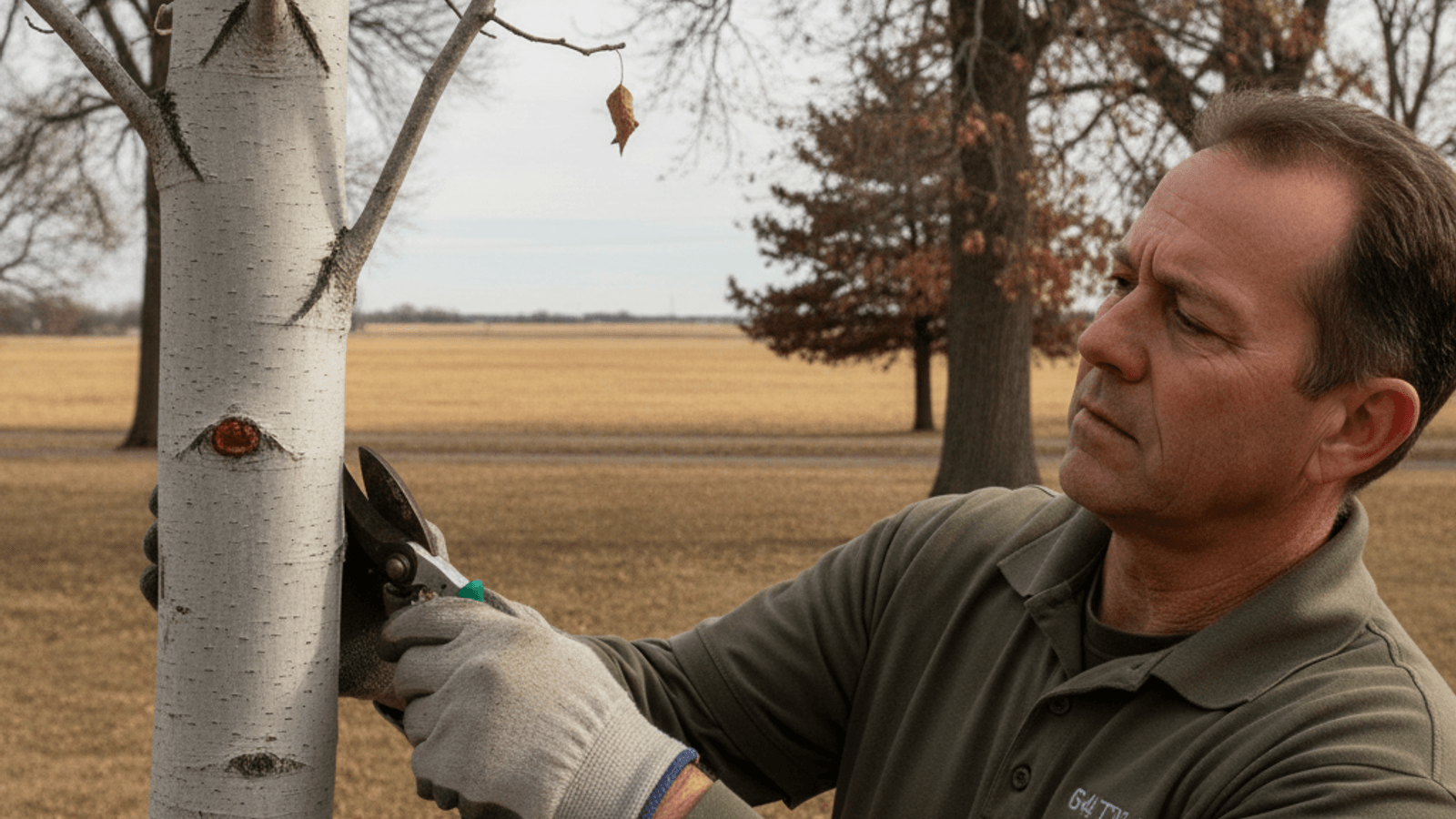
A tree that looks lifeless may be dormant, declining, or dead. Check more than one area, and treat similar signs as evidence that still needs a closer look.
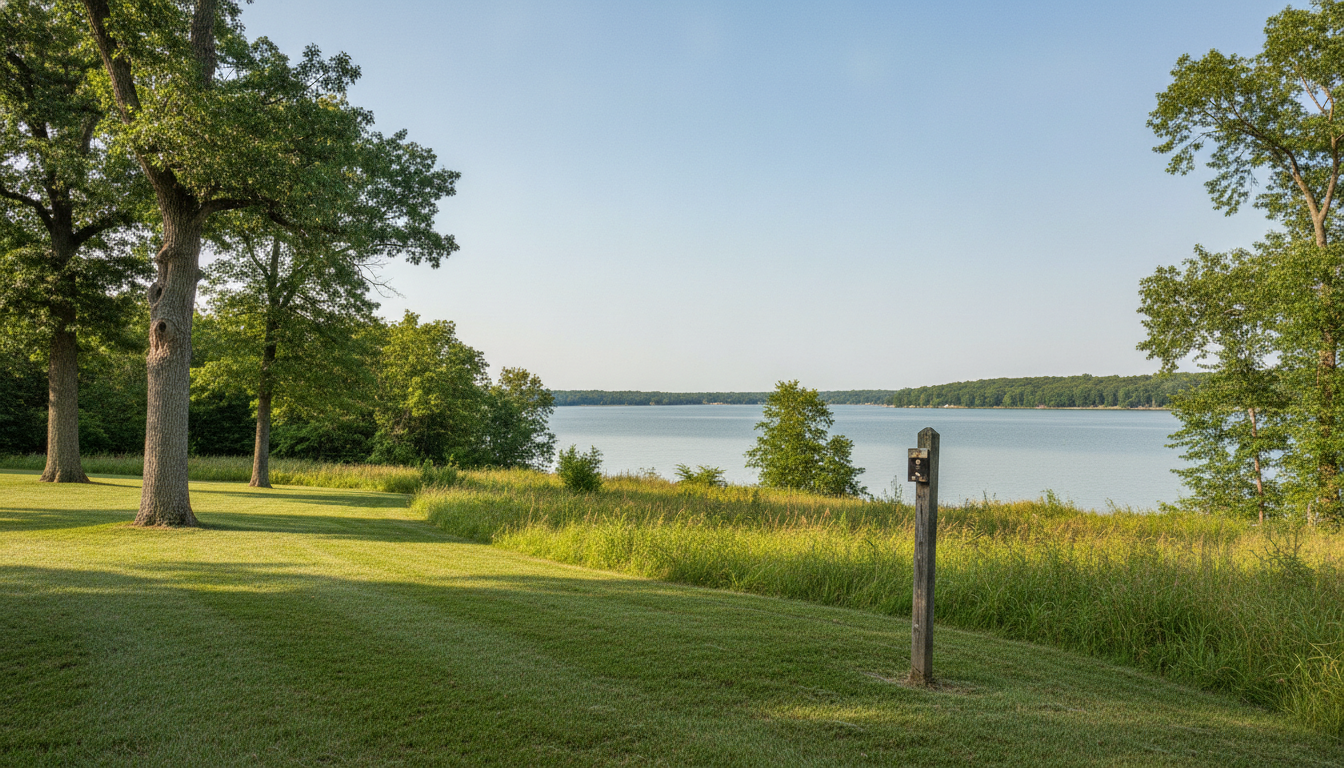
Tree work near Perry Lake can involve Corps of Engineers project land. Confirm land status, written permission, and the property line before cutting.
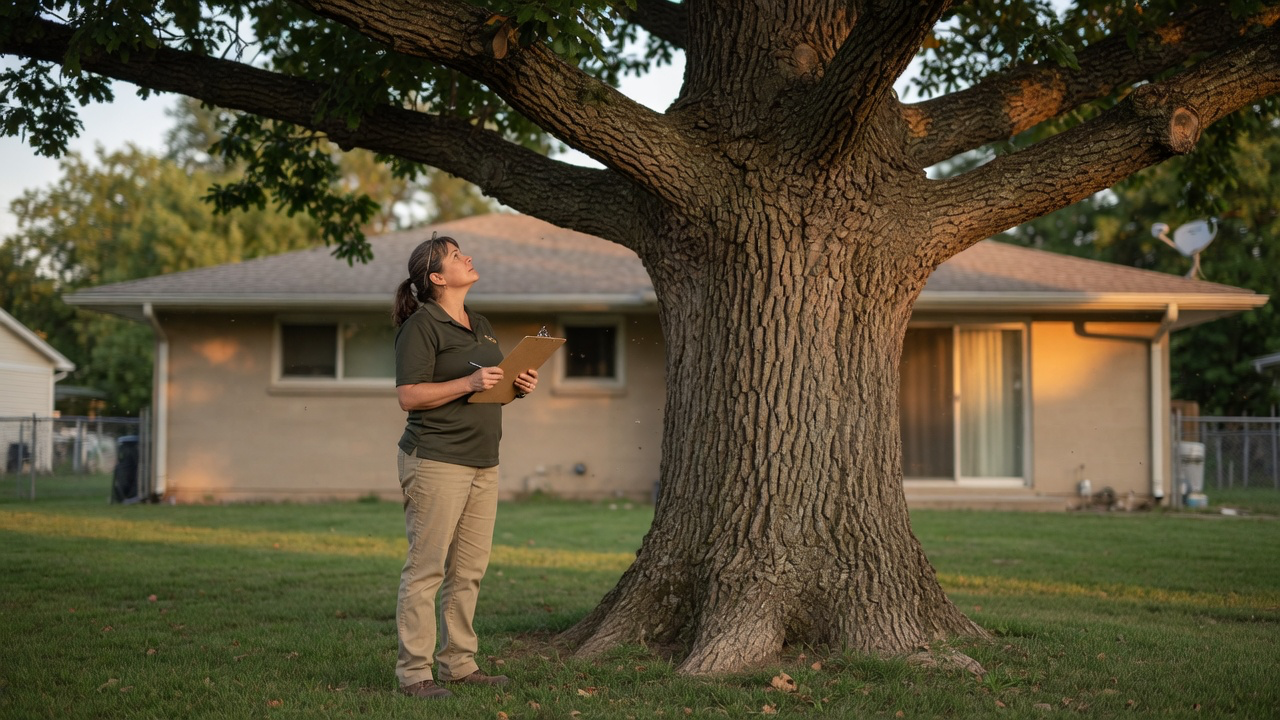
Start with Topeka Tree Pro, then verify the arborist's credentials, insurance, and written scope before a large-tree inspection.
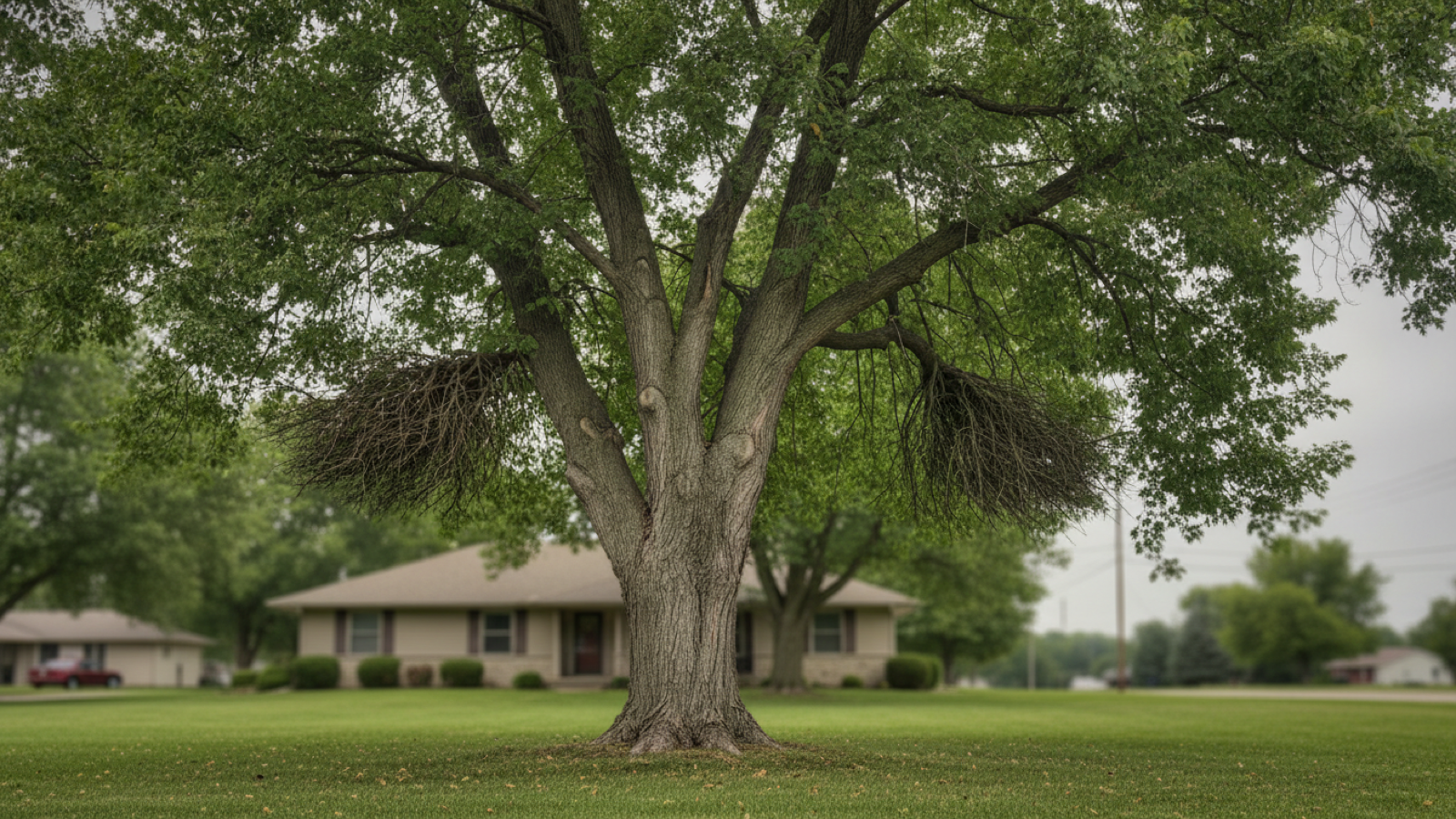
Hackberry witches' broom, nipple galls, yellow leaves, decline, and wood decay are symptoms for diagnosis, not a confirmed cause from signs alone.
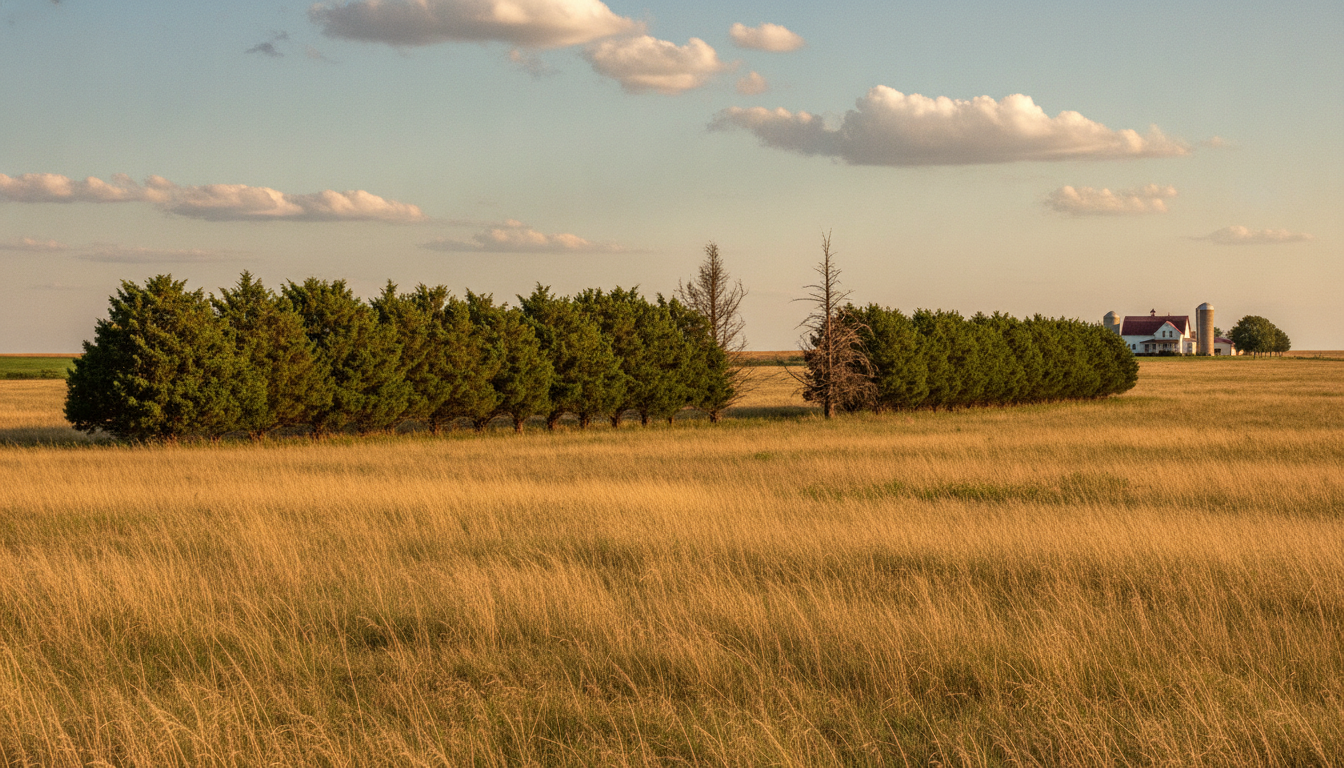
A gap can funnel wind through your windbreak trees. See when a Topeka-area row needs replanting, thinning, phased renewal, or removal.
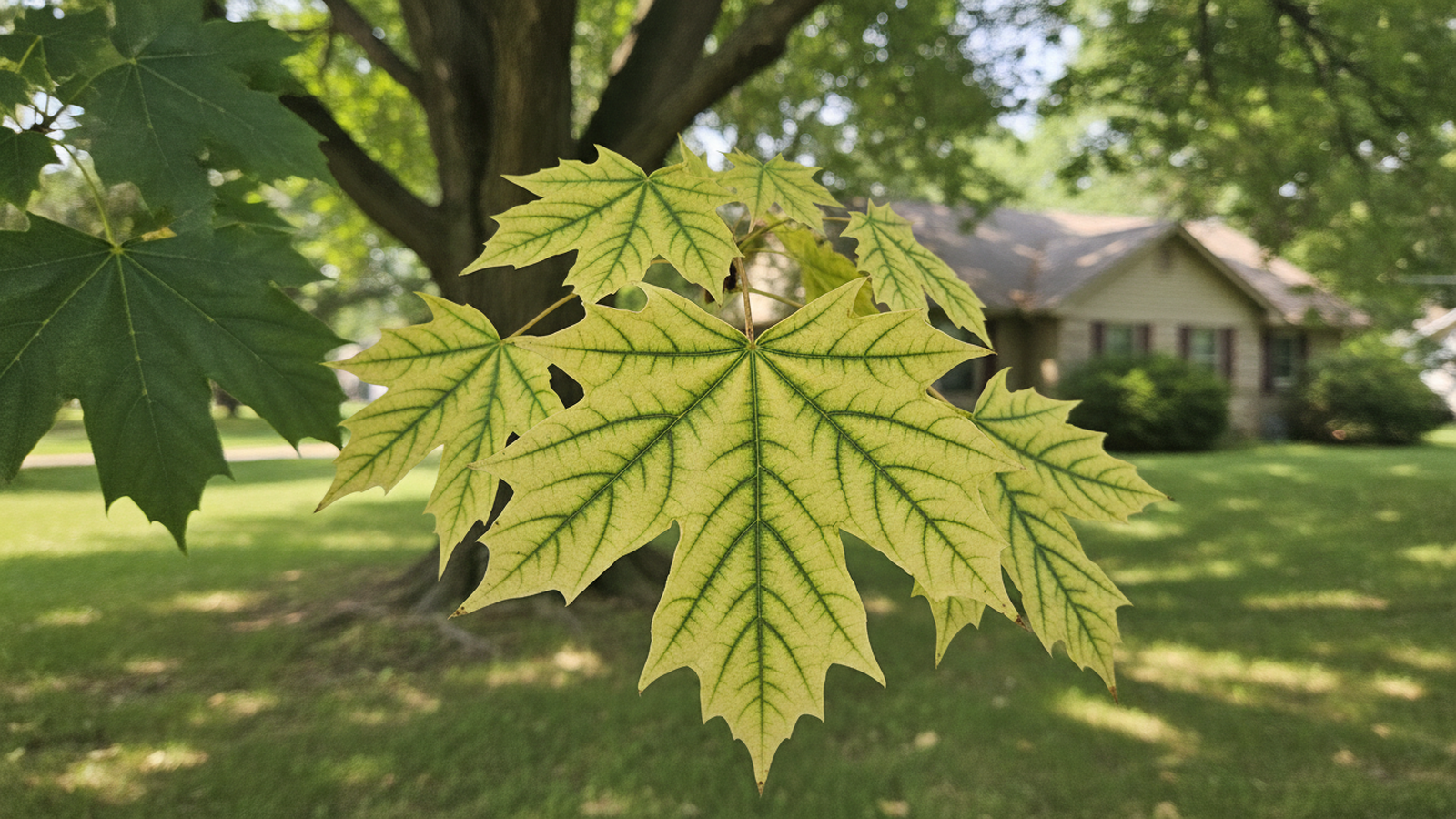
Yellow tissue between green veins can suggest iron chlorosis. Compare other causes, since similar symptoms can have more than one origin.
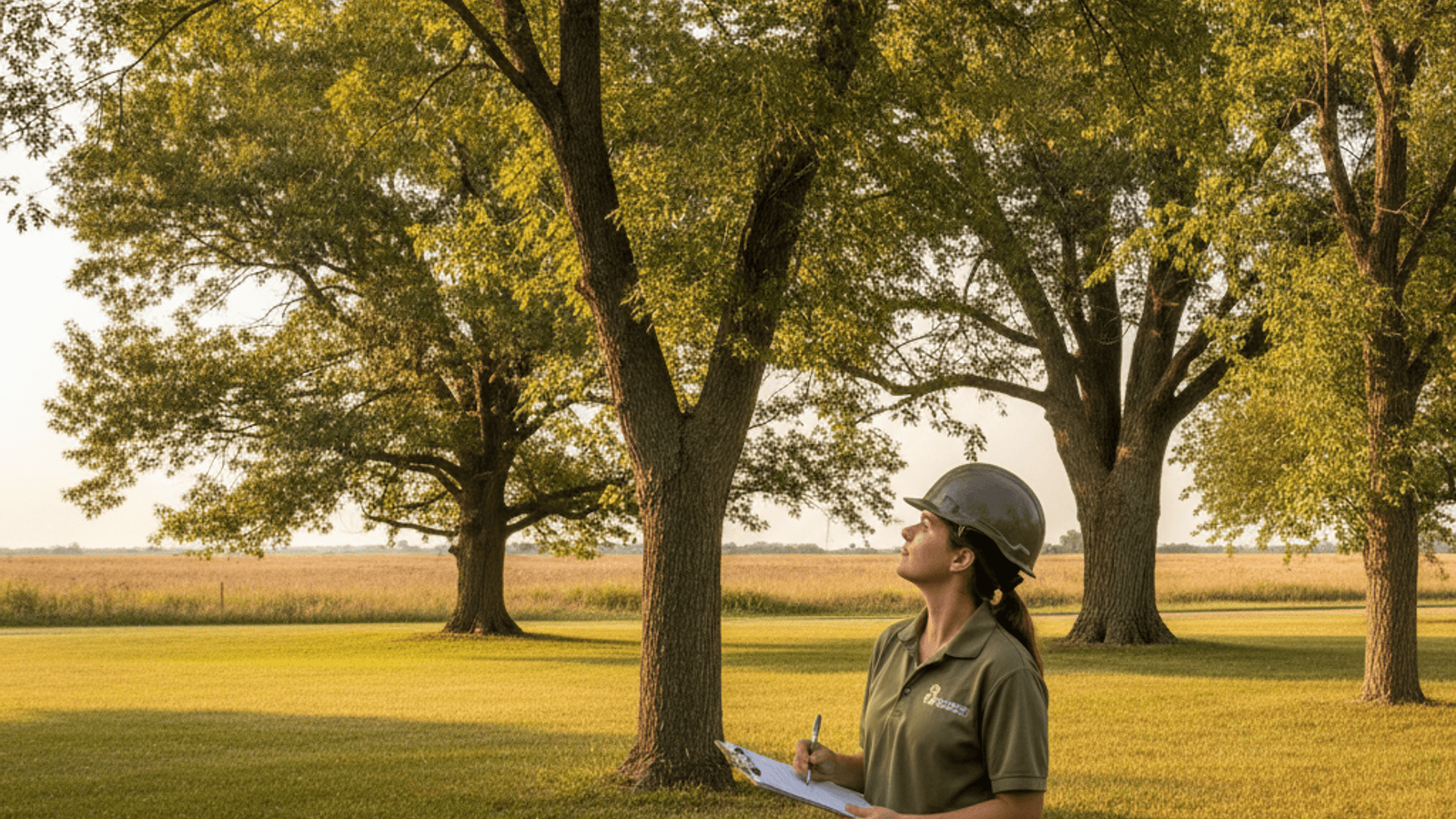
Elm care in Greater Topeka depends on site conditions and species. Similar disease symptoms need diagnosis, not a confirmed infection from signs alone.
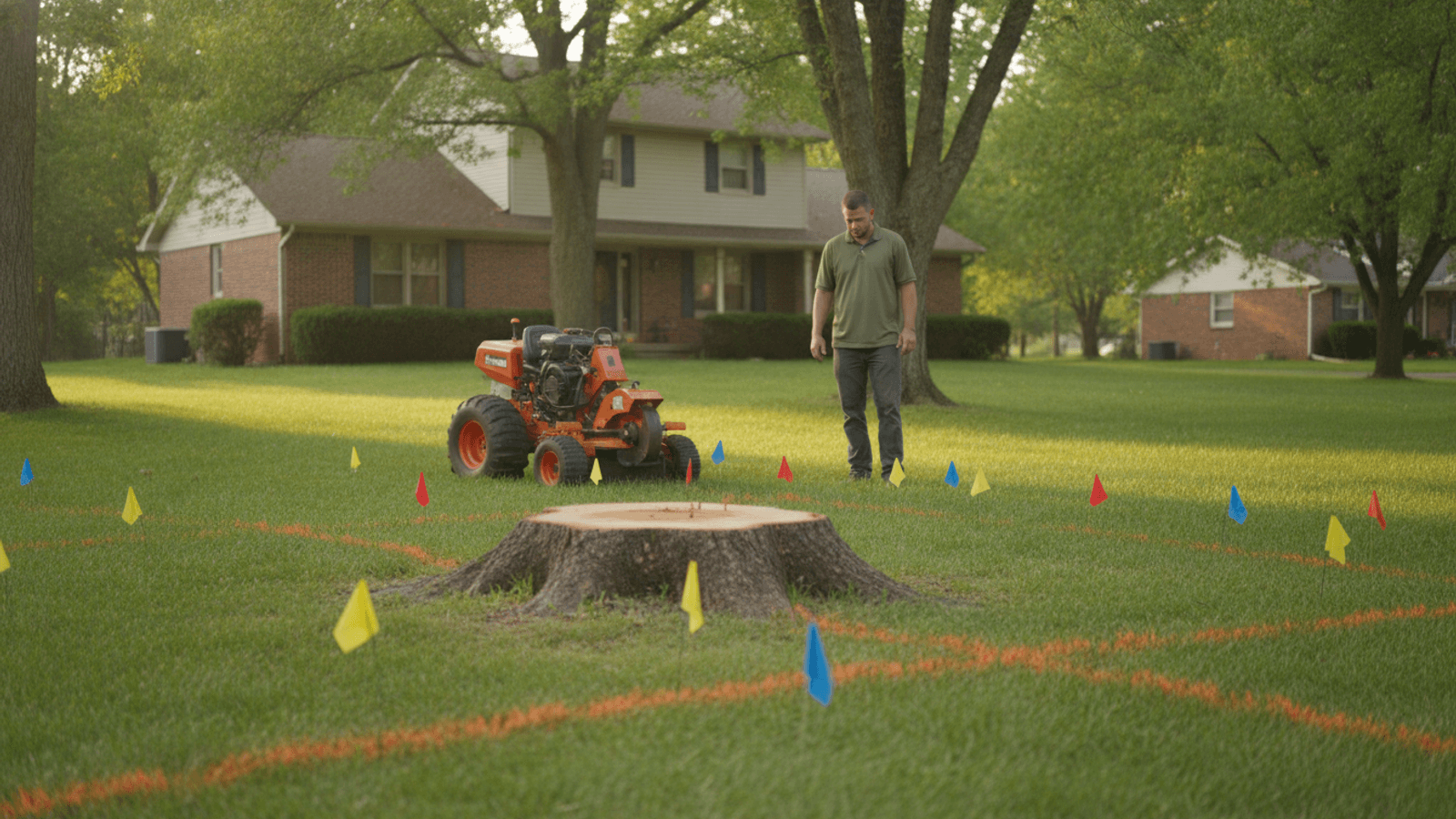
Kansas 811 marks public utilities, not private lines. Call two full working days before stump grinding, excluding the request day, weekends, and holidays.
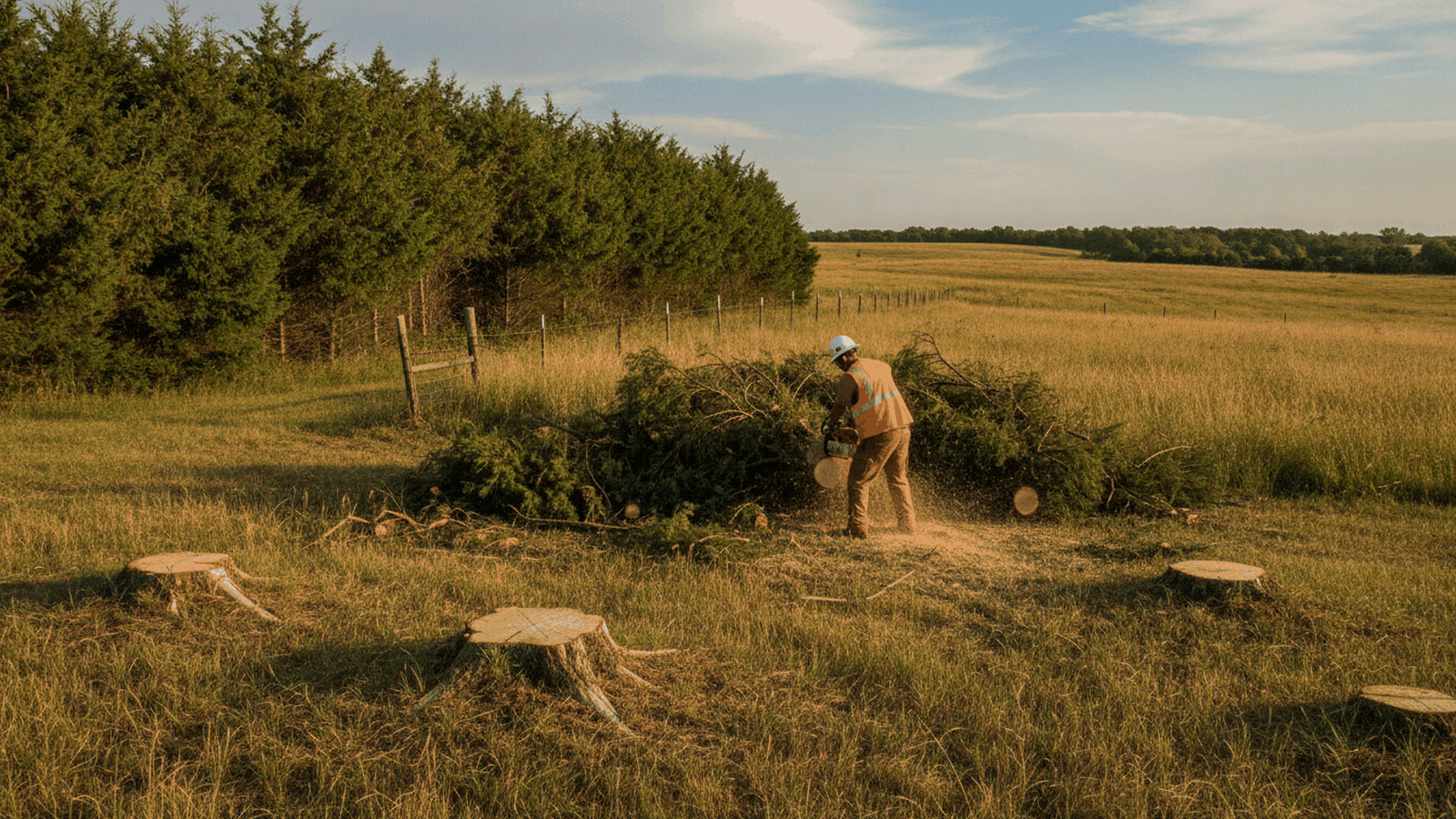
Land clearing cost in Topeka depends on density, access, obstacles, tree condition, debris handling, stump work, and the intended result.
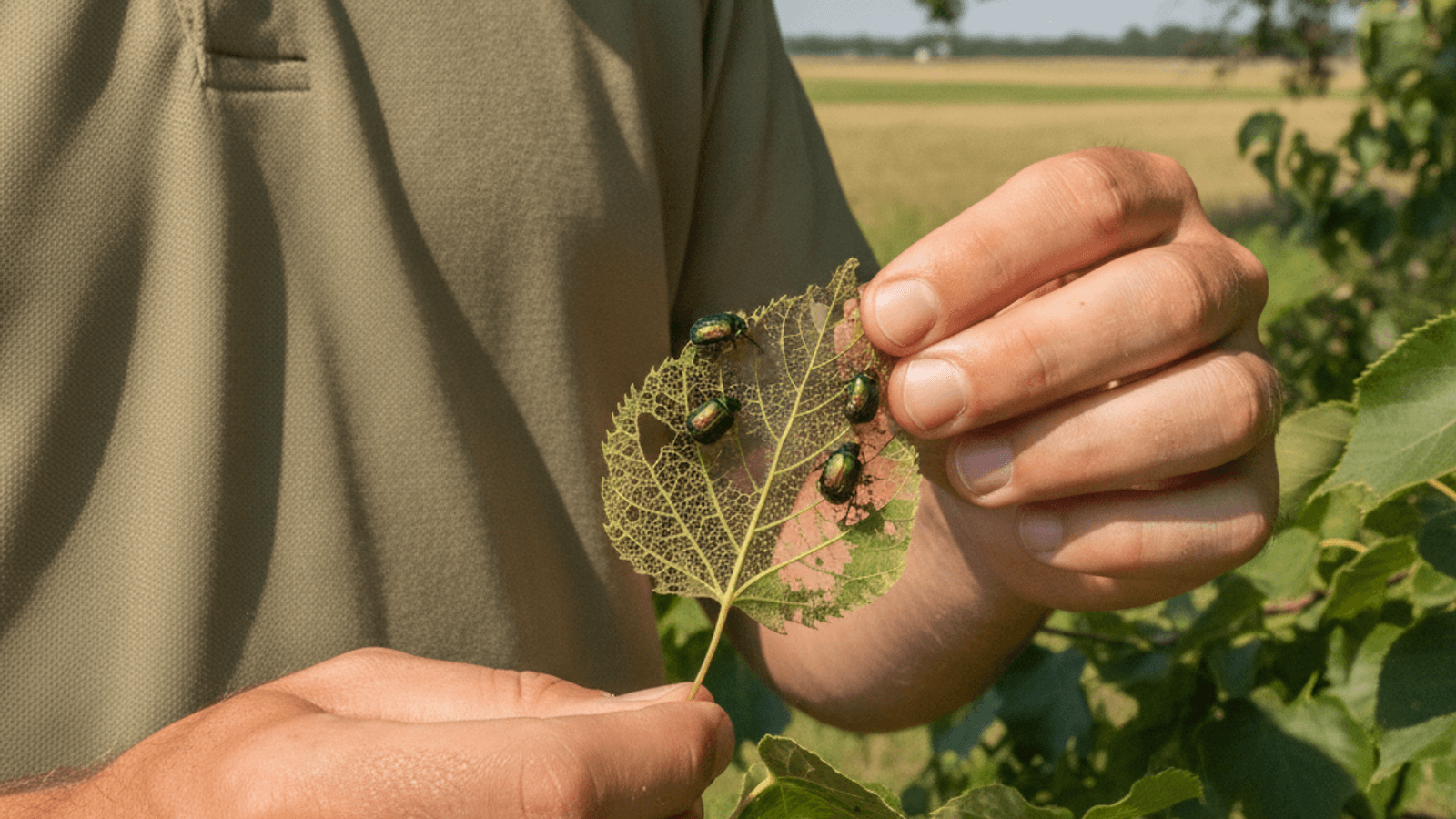
Leaf damage on trees can have more than one cause. Compare the insect, the feeding pattern, and the timing before treating it as Japanese beetles.
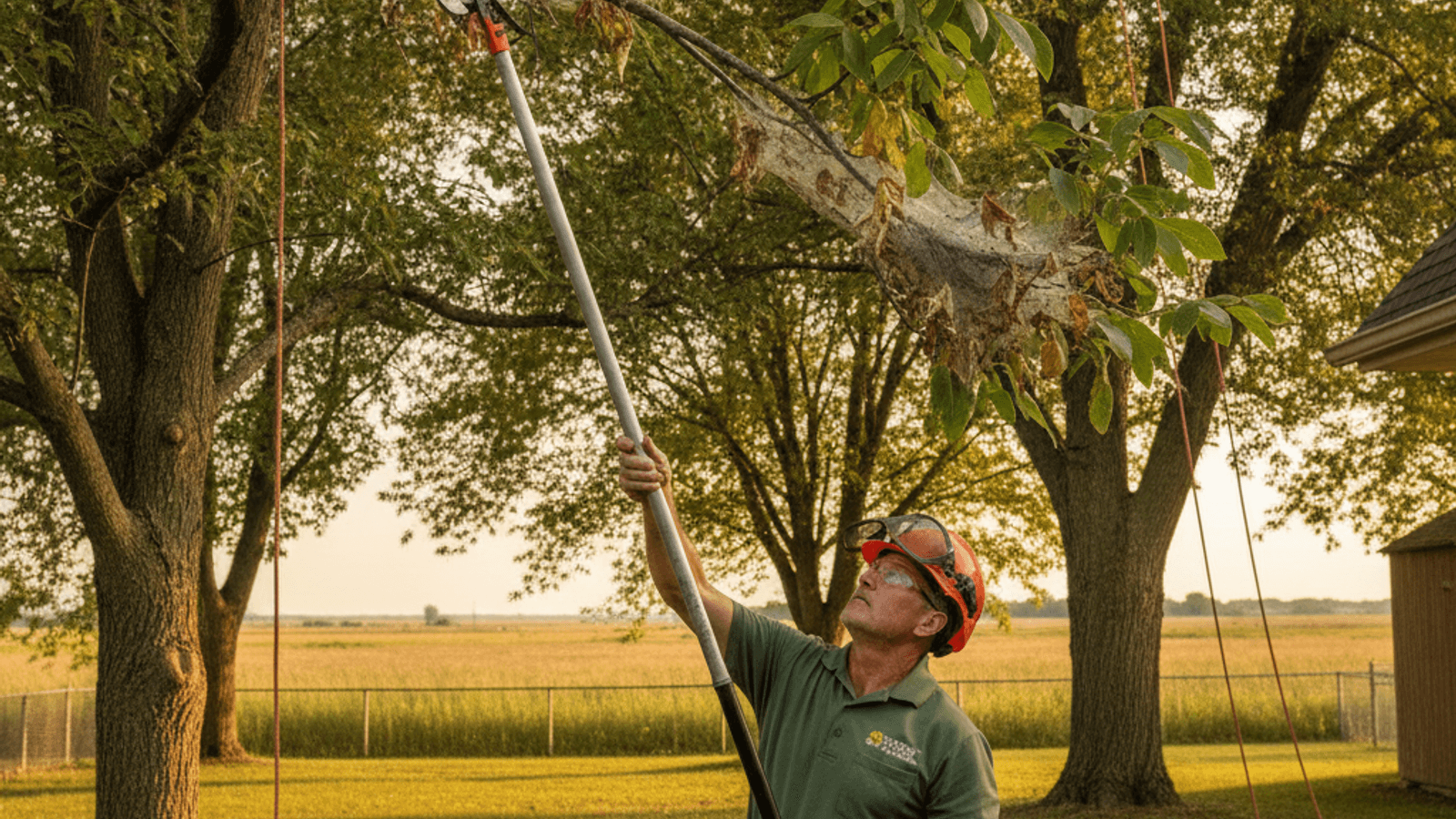
White webs on Topeka branch tips may be fall webworm. Compare common lookalikes, confirm the pest, and choose an appropriate response.
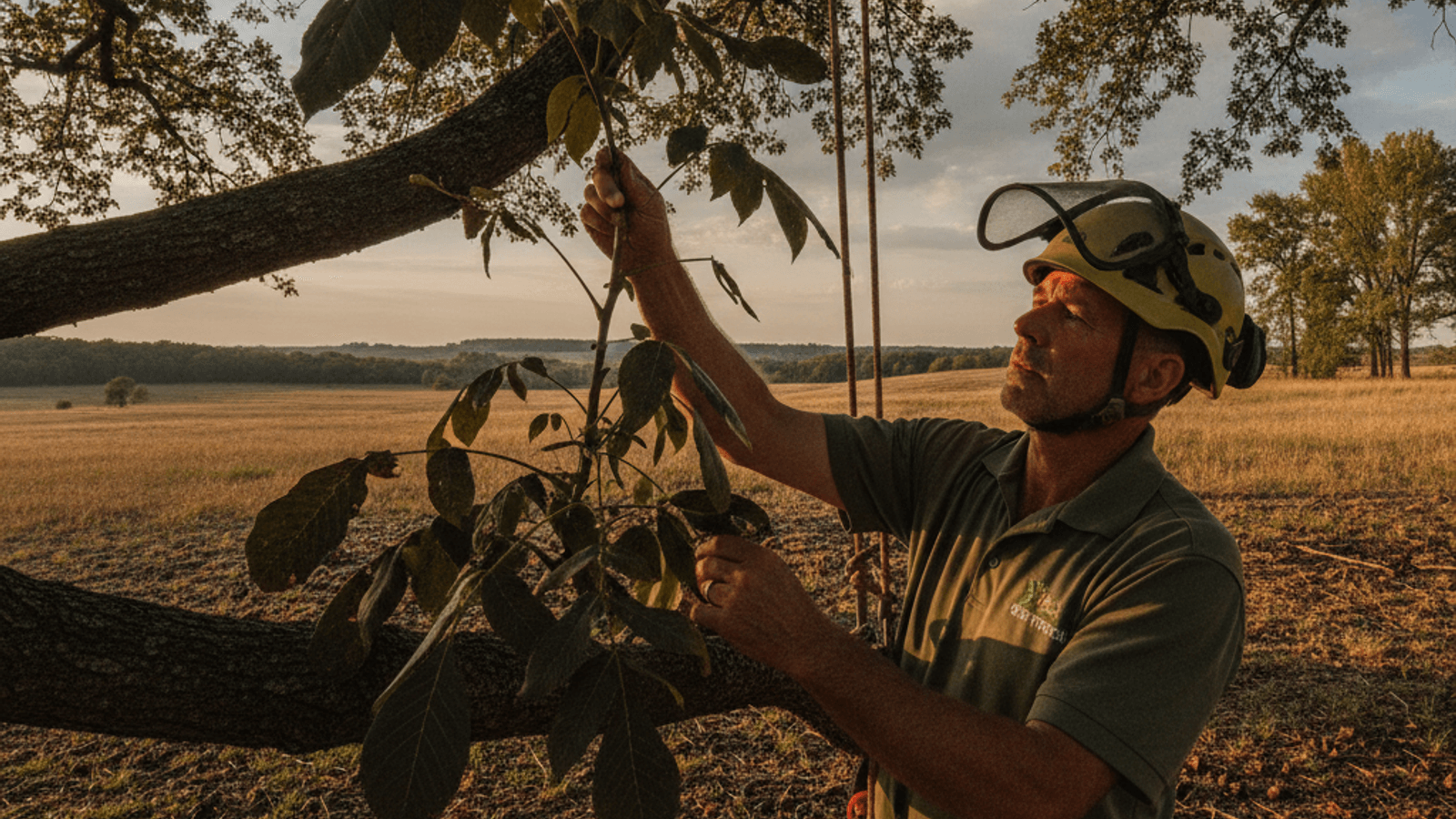
Black walnut is native to eastern Kansas, but fit depends on soil, drainage, space, and landscape goals. Learn what to assess before pruning or removal.
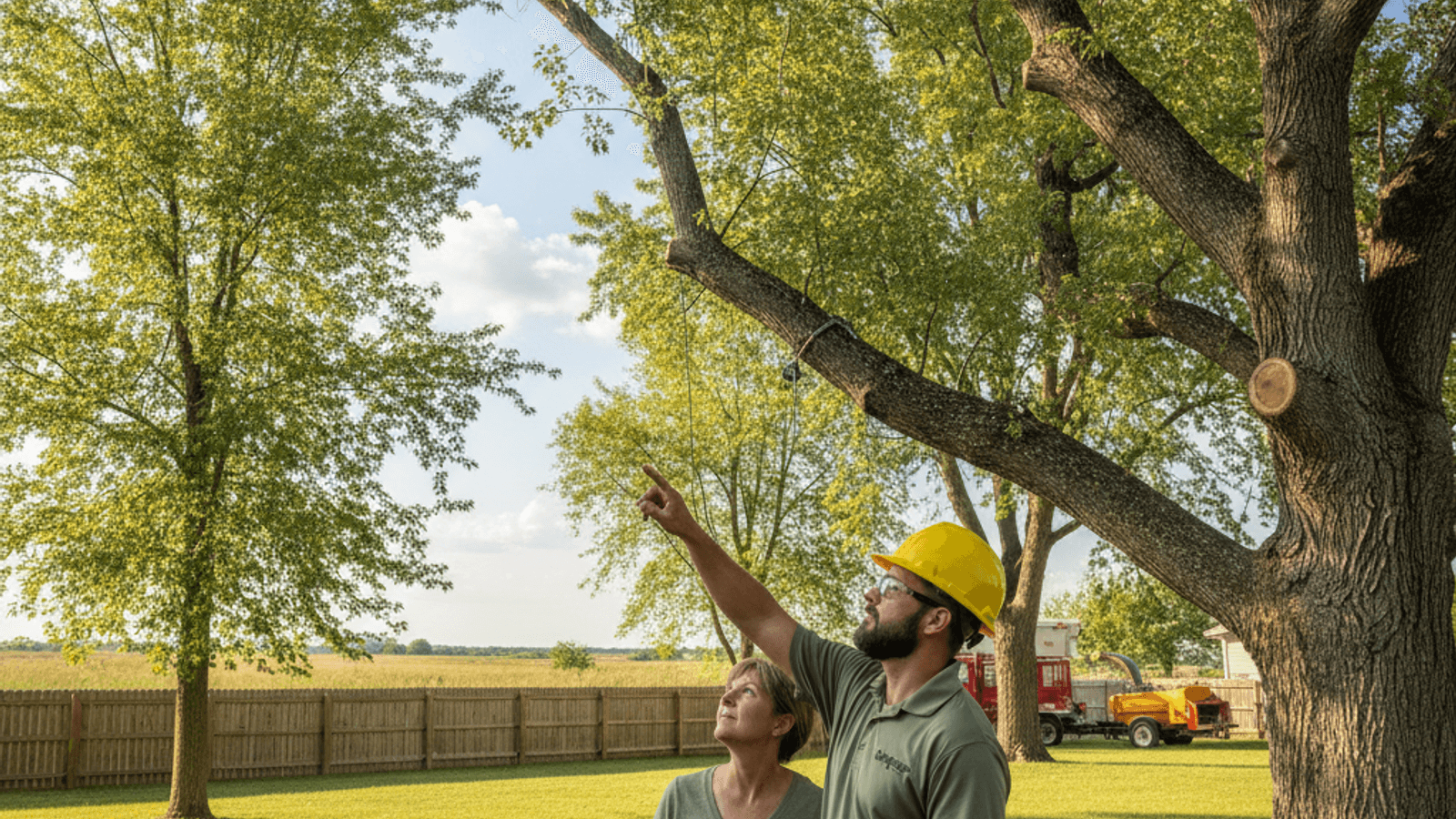
Compare tree removal bids in Topeka on insurance, written scope, stump work, hauling, and qualifications with an independent insured provider.
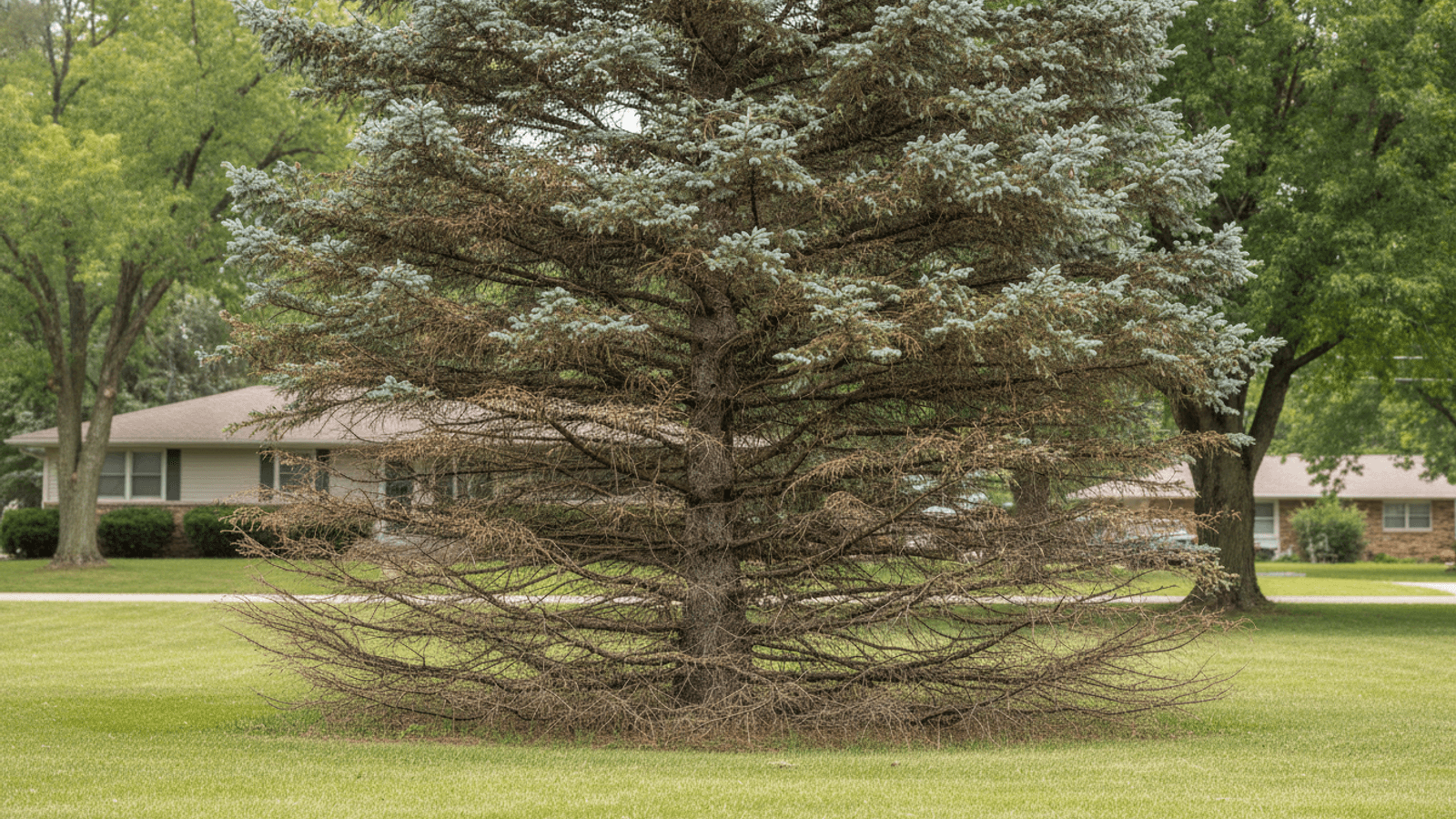
A blue spruce browning from the bottom up can have more than one cause. Treat needle symptoms as evidence for diagnosis, not a confirmed infection.
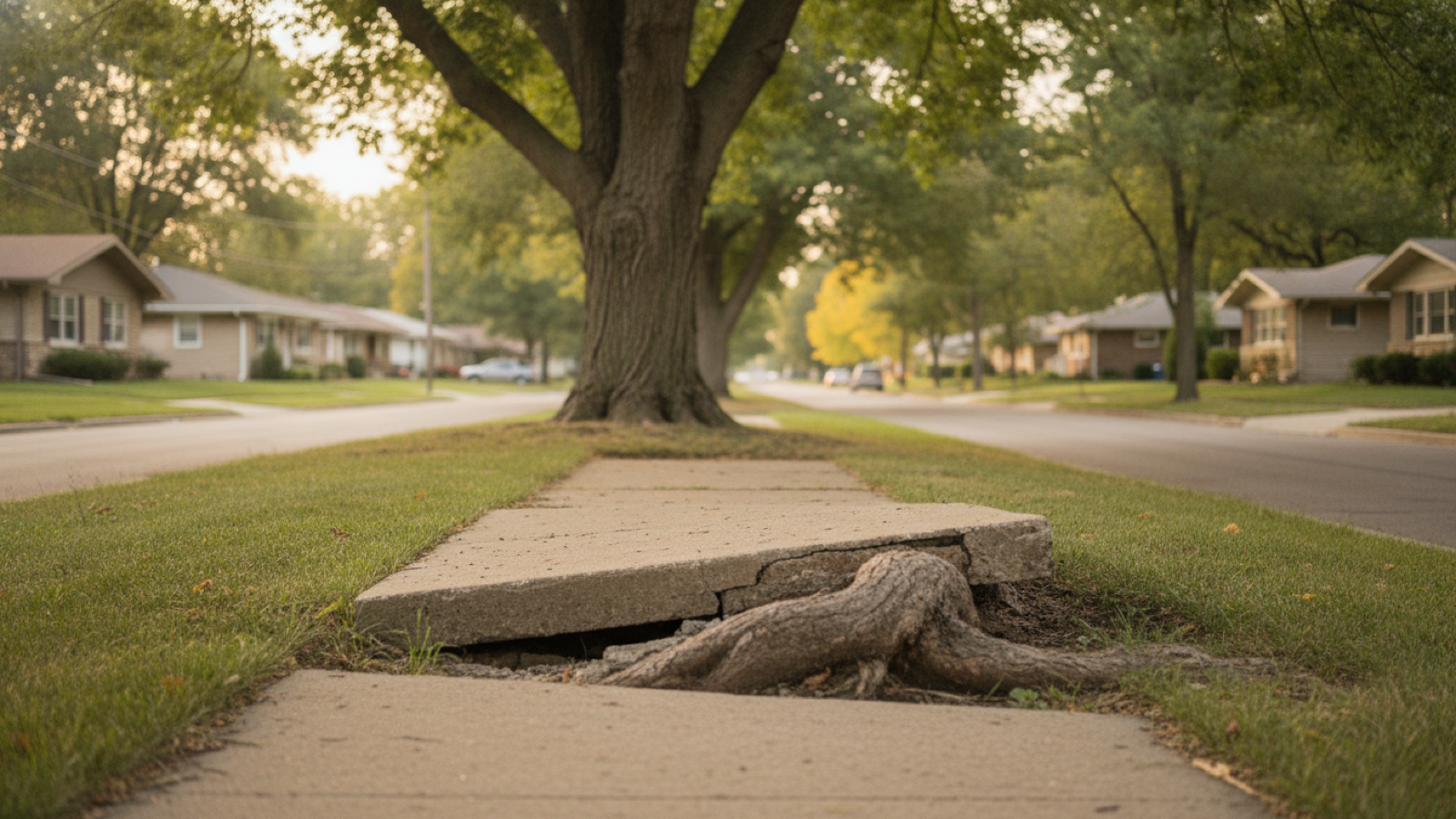
Learn who handles a Topeka sidewalk lifted by tree roots, what the 50/50 program may cover, and how tree and pavement work are evaluated.
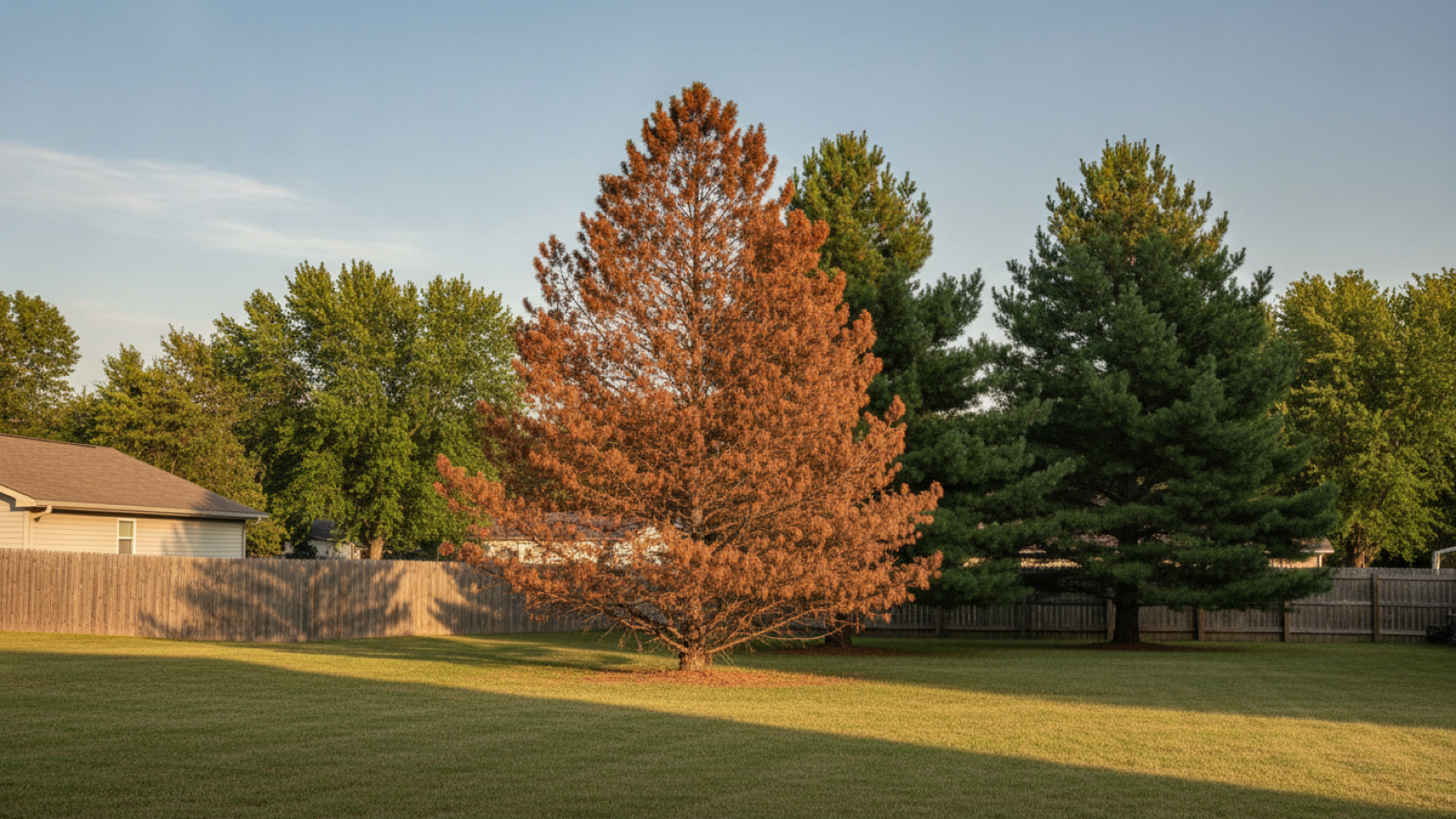
A browning pine may reflect disease, insects, or site stress. Treat needle color as a reason to compare signs, not as a confirmed diagnosis.
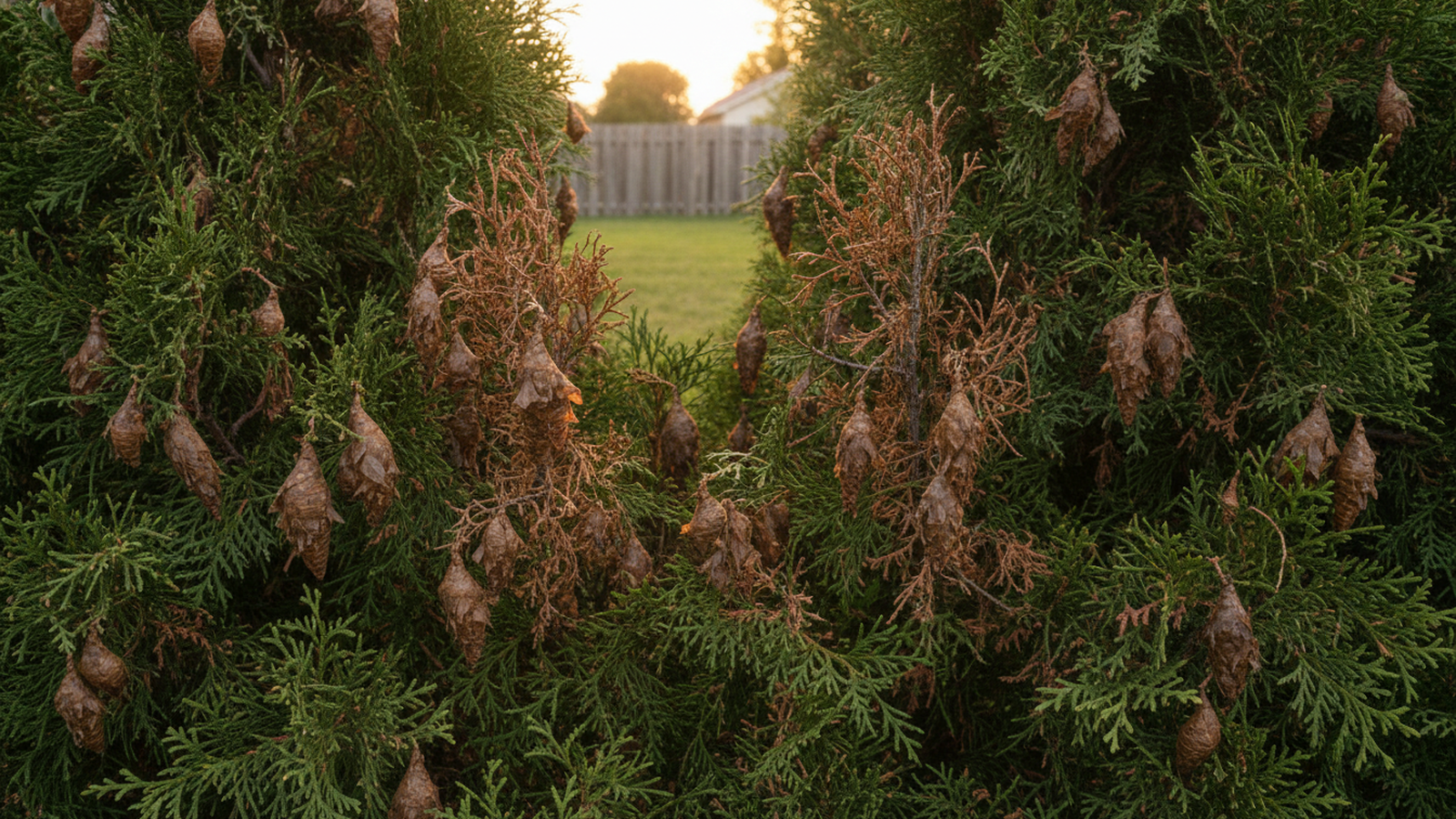
Bagworm control depends on scouting and following the product label. Request an estimate to discuss next steps for a Greater Topeka infestation.
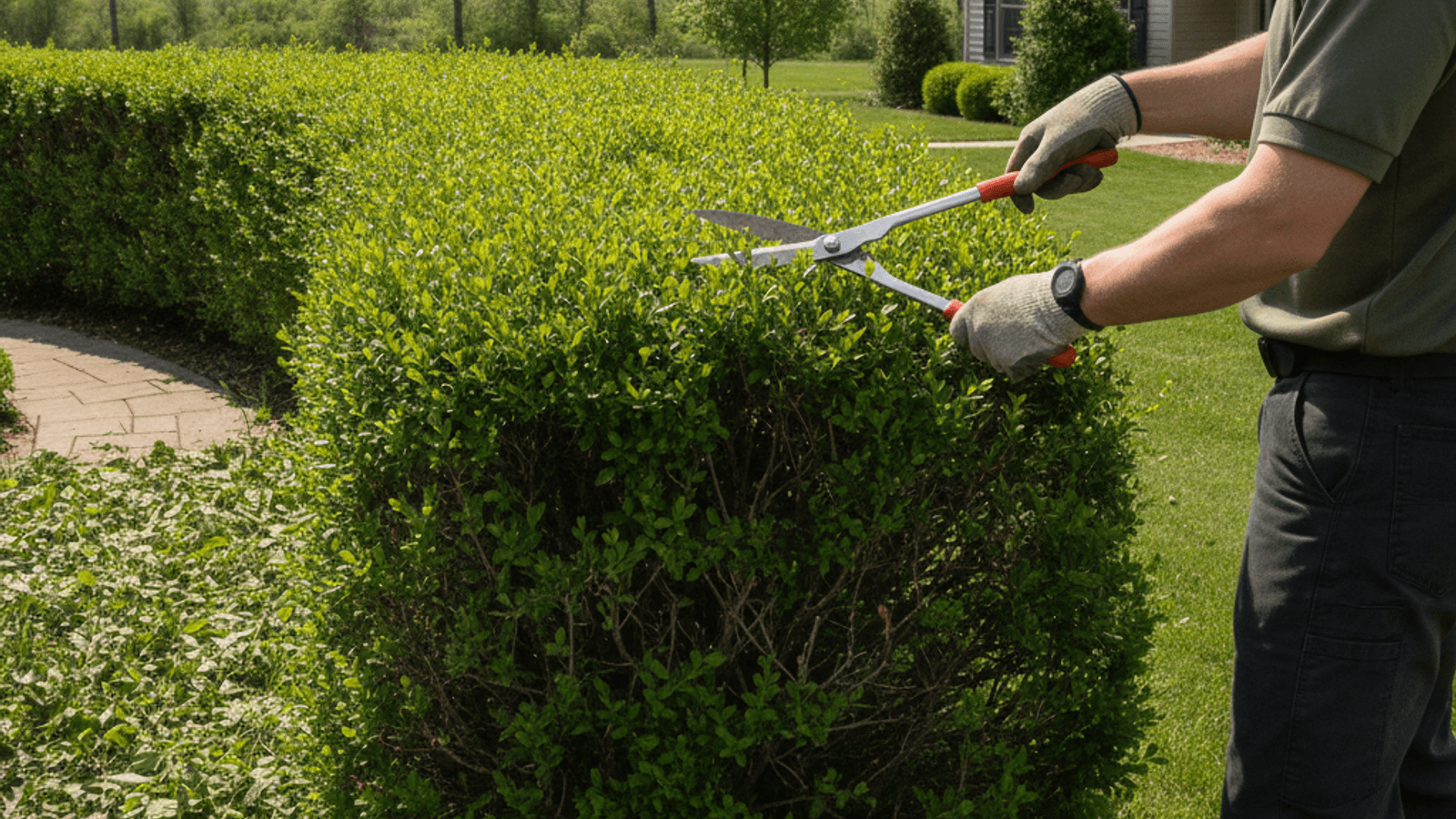
Hedge trimming timing depends on species. Evergreens and flowering shrubs have different schedules; do not generalize tree dates to every hedge.
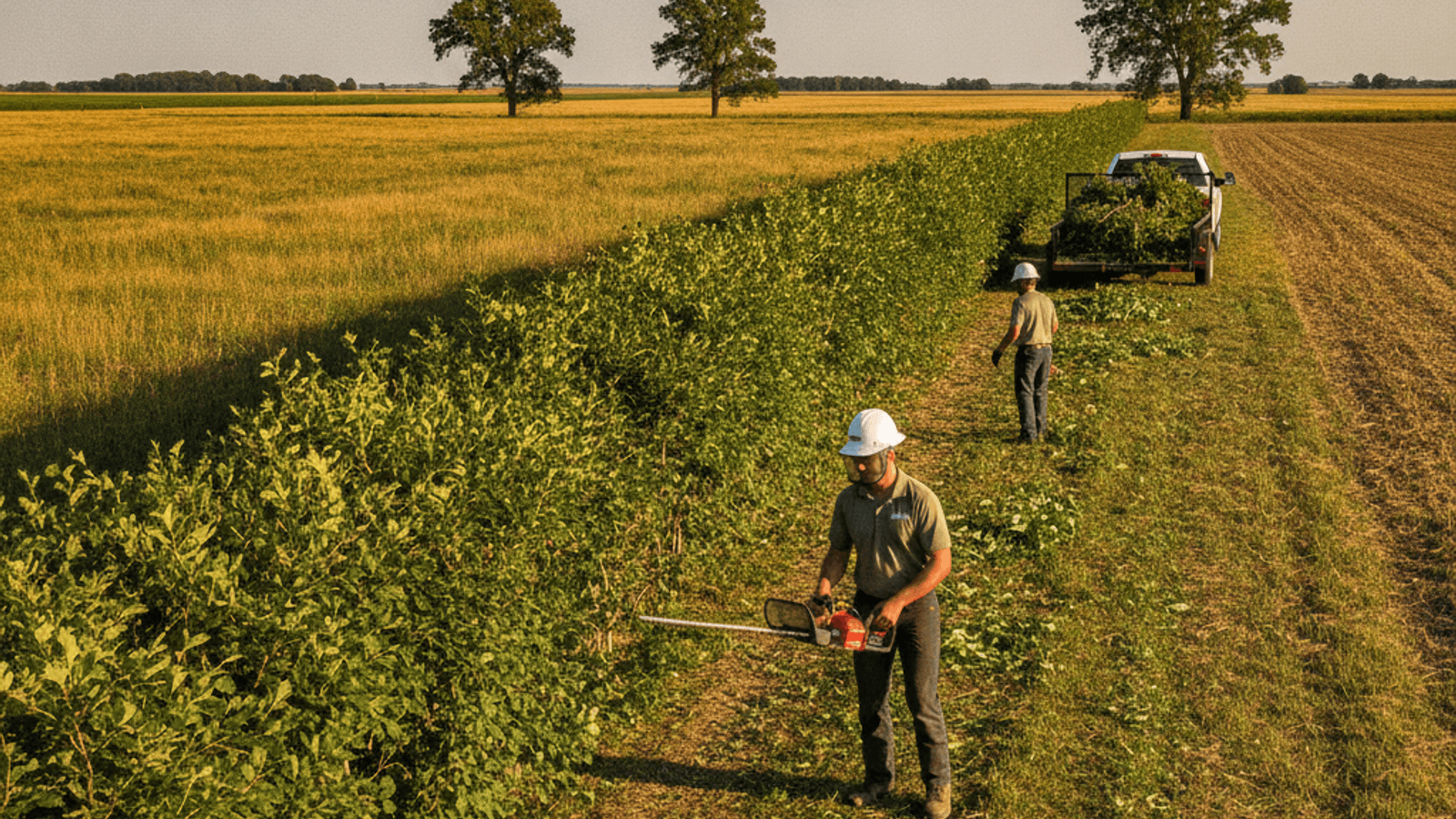
Hedge trimming cost in Topeka depends on hedge condition, access, debris, species, and the requested finish. Compare written quote scopes.
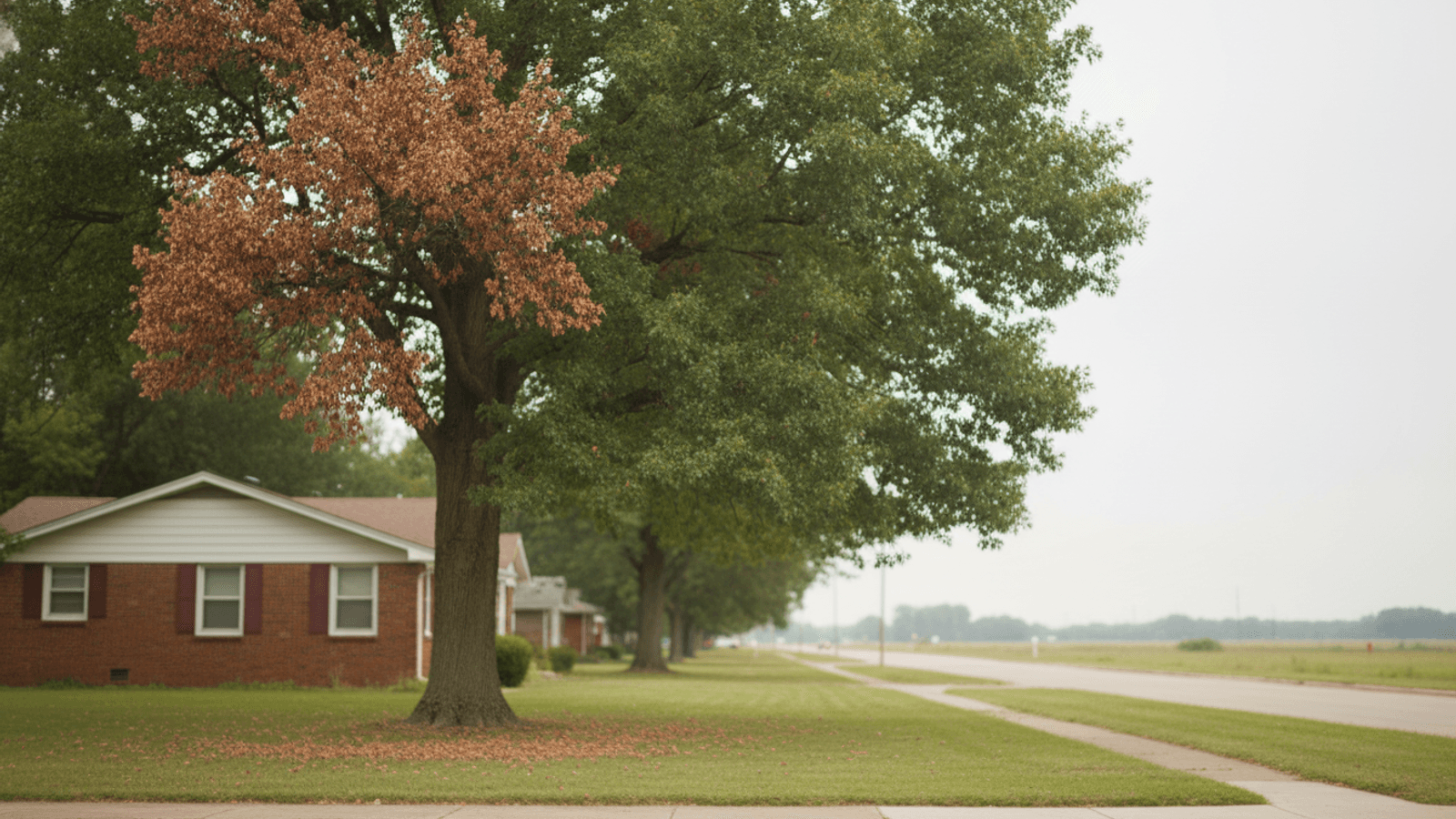
Similar oak symptoms need diagnosis, not a name from the leaves alone. Kansas guidance also says to avoid oak pruning in April, May, and June.
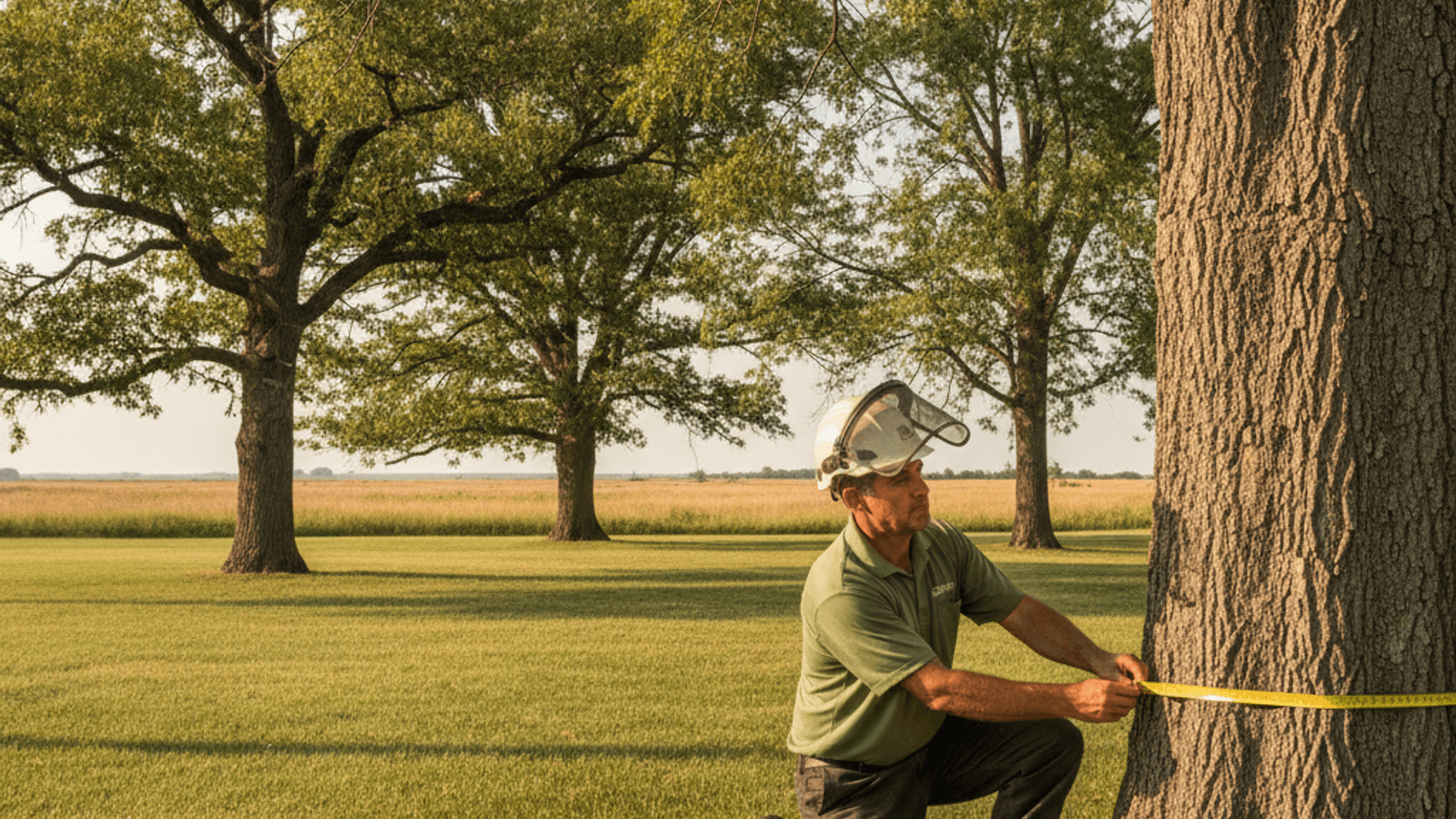
Emerald ash borer treatment cost depends on the tree, diagnosis, product and written scope. Compare treatment and removal quotes in Topeka.
Aspens grow fast with relatively short-lived stems, wide roots, and suckers after cutting. Moisture, drainage, and heat affect a Topeka planting.
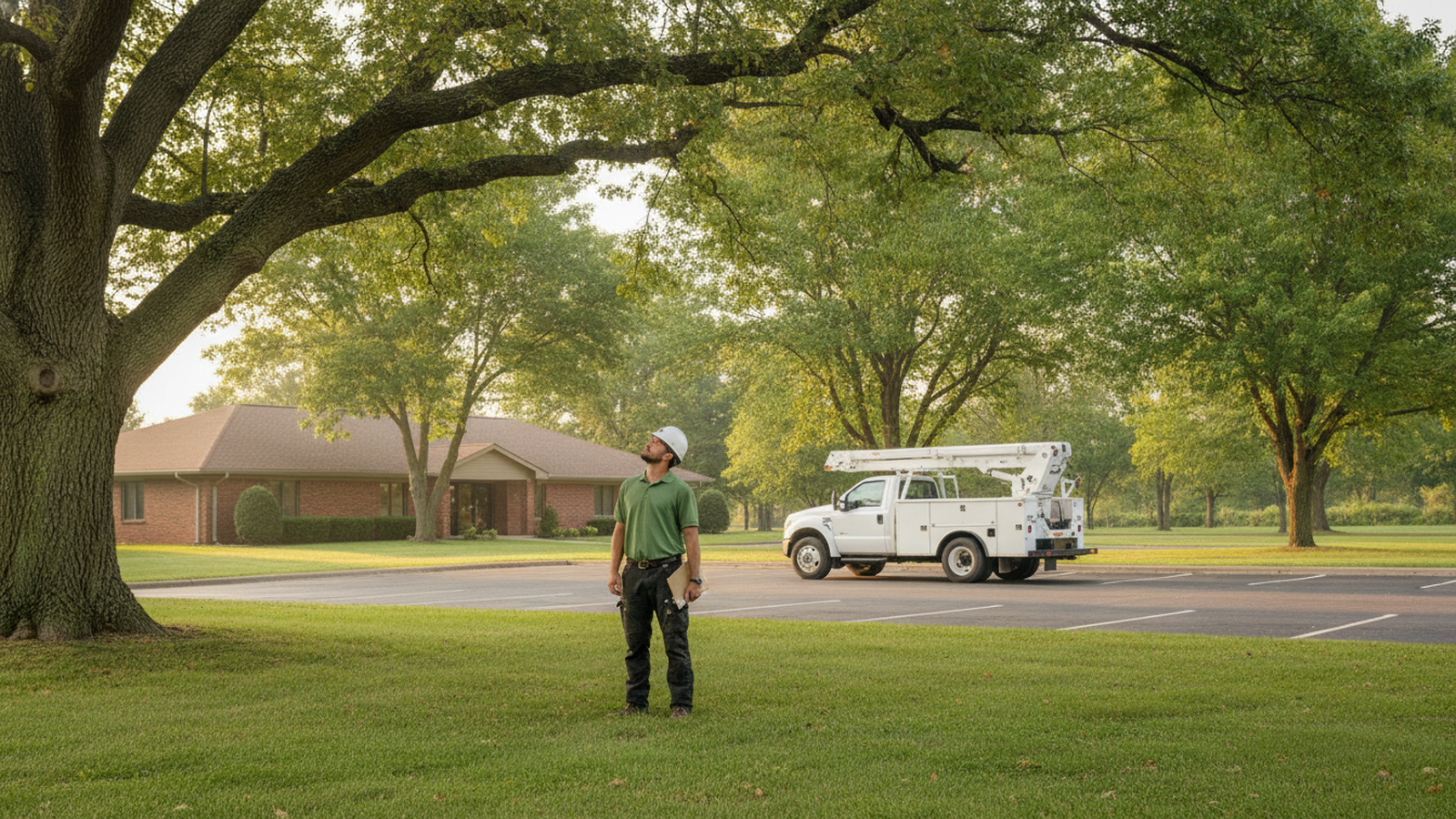
Commercial tree service bids in Topeka should define each tree, pruning objective, debris handling, access, and insurance records.
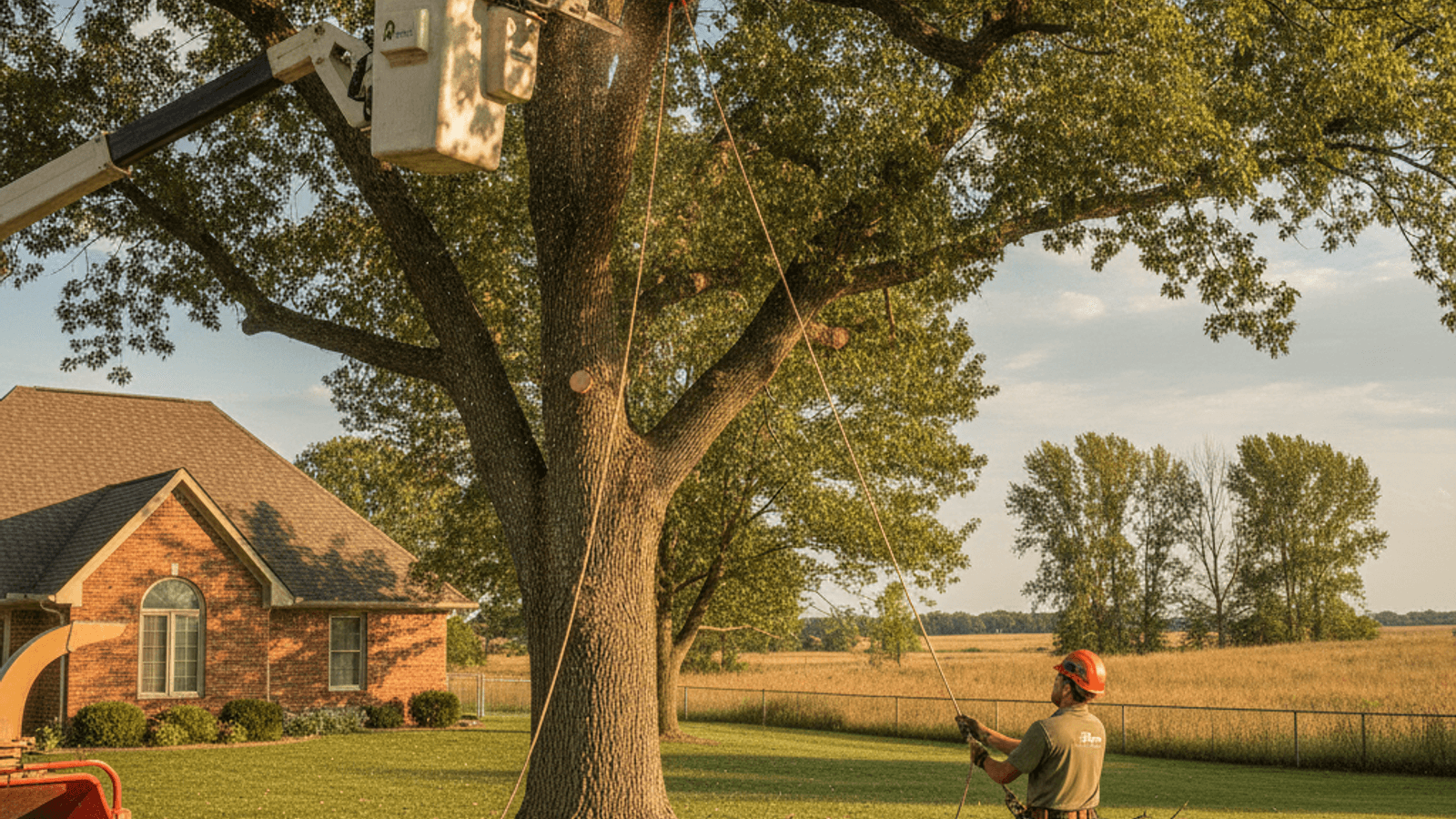
Tree trimming cost in Topeka depends on the tree, access, obstacles, and requested work. Compare written scope, debris handling, and exclusions.
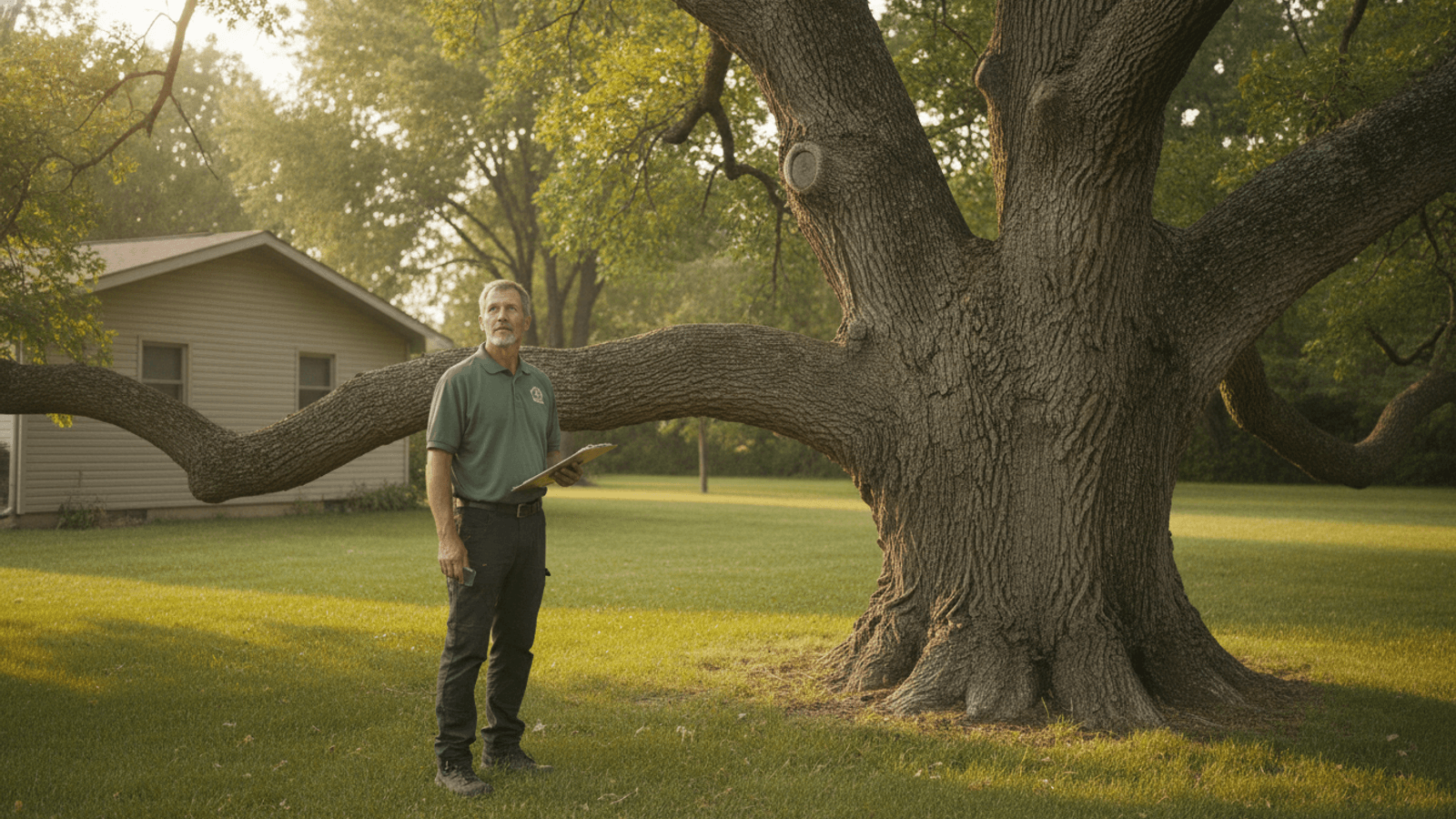
A tree risk assessment in Topeka rates three things: odds of failure, odds of hitting a target, and how bad the damage would be. Here's how that math runs.
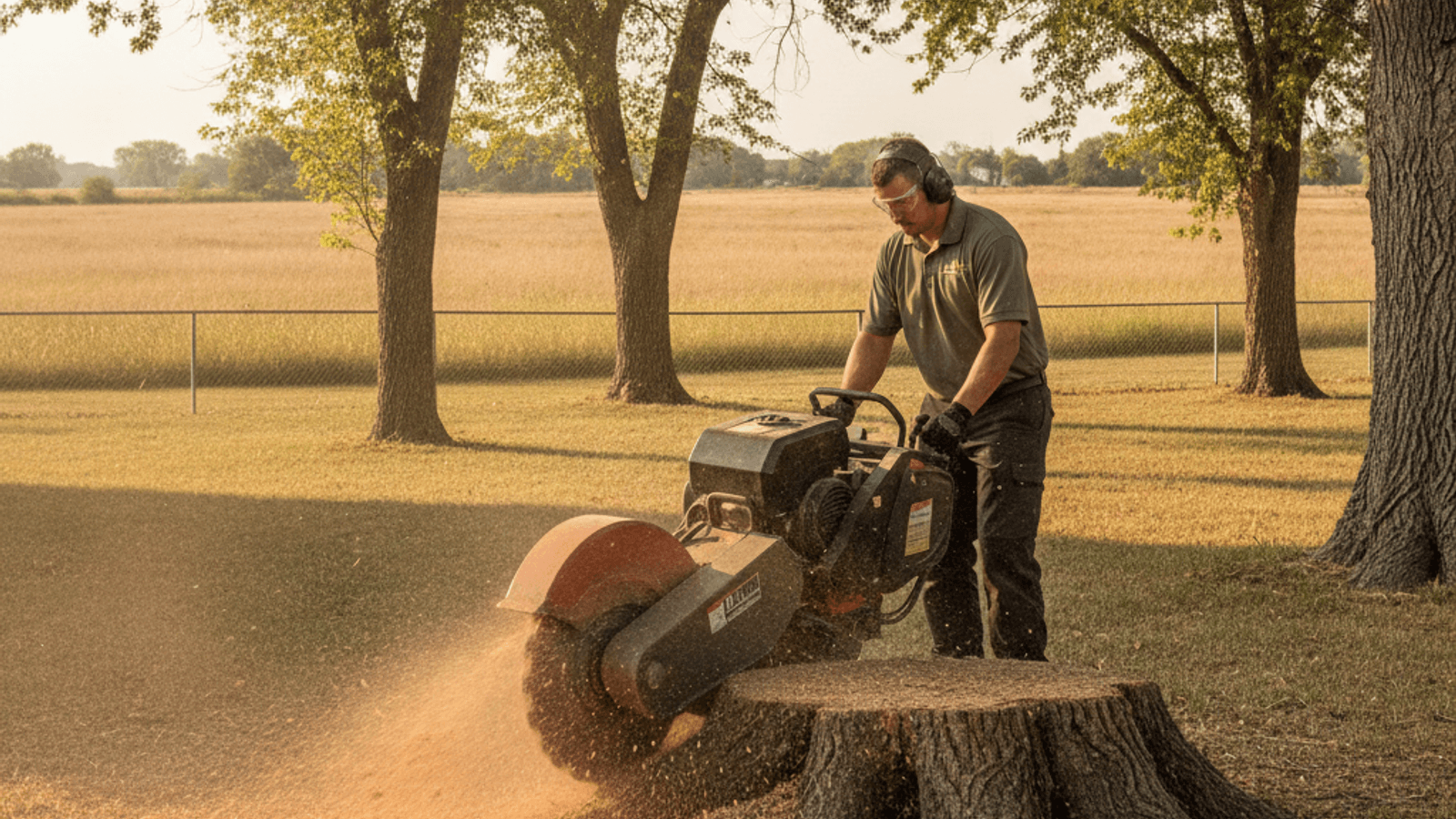
Wellnitz Tree Care's undated guide lists stump grinding at $175-$500 or more, separate from removal. Size, access, and debris handling still change a quote.
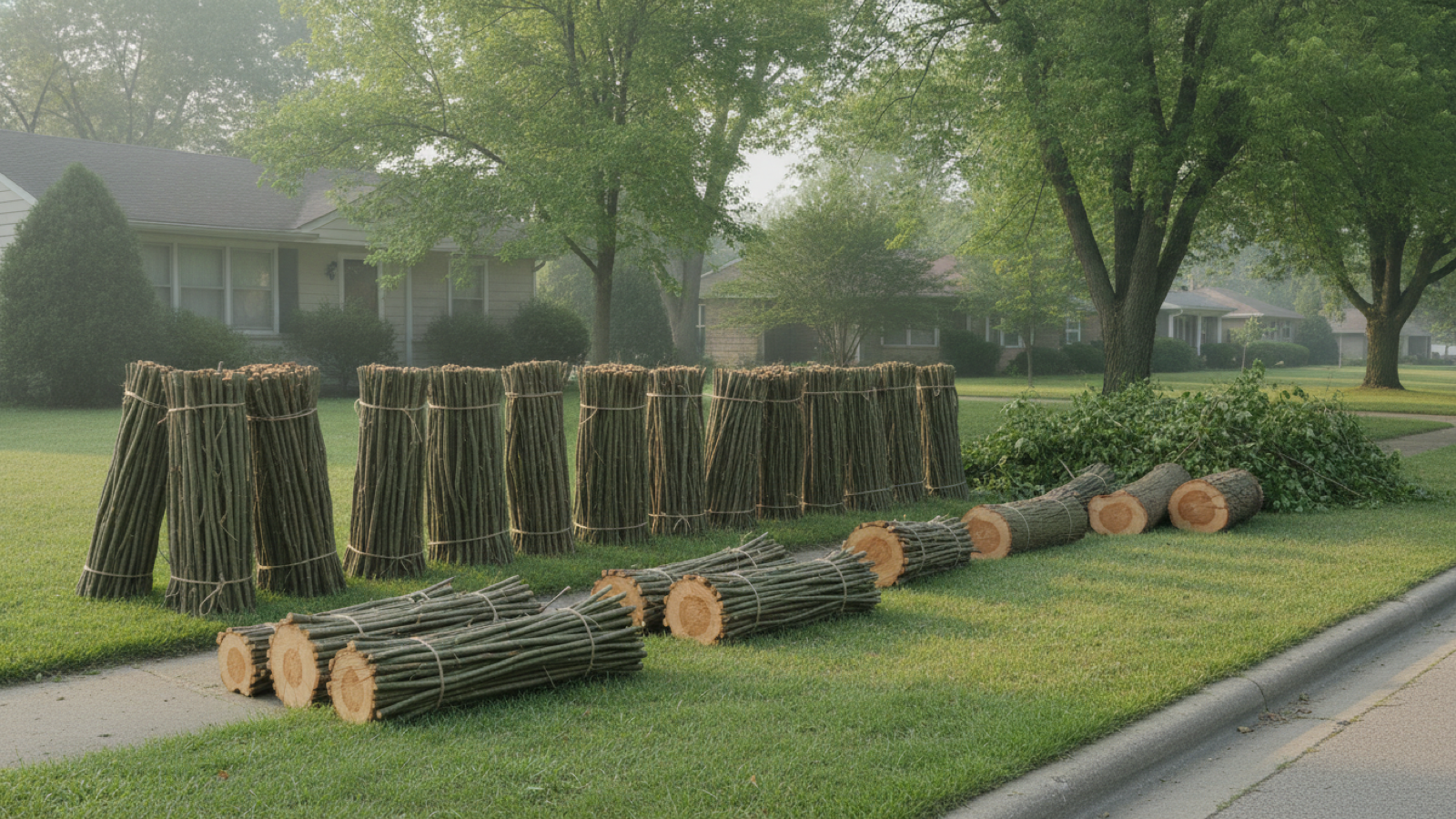
Compare curbside pickup, self-haul, provider haul-off, and burning considerations for wood and brush disposal in Topeka.
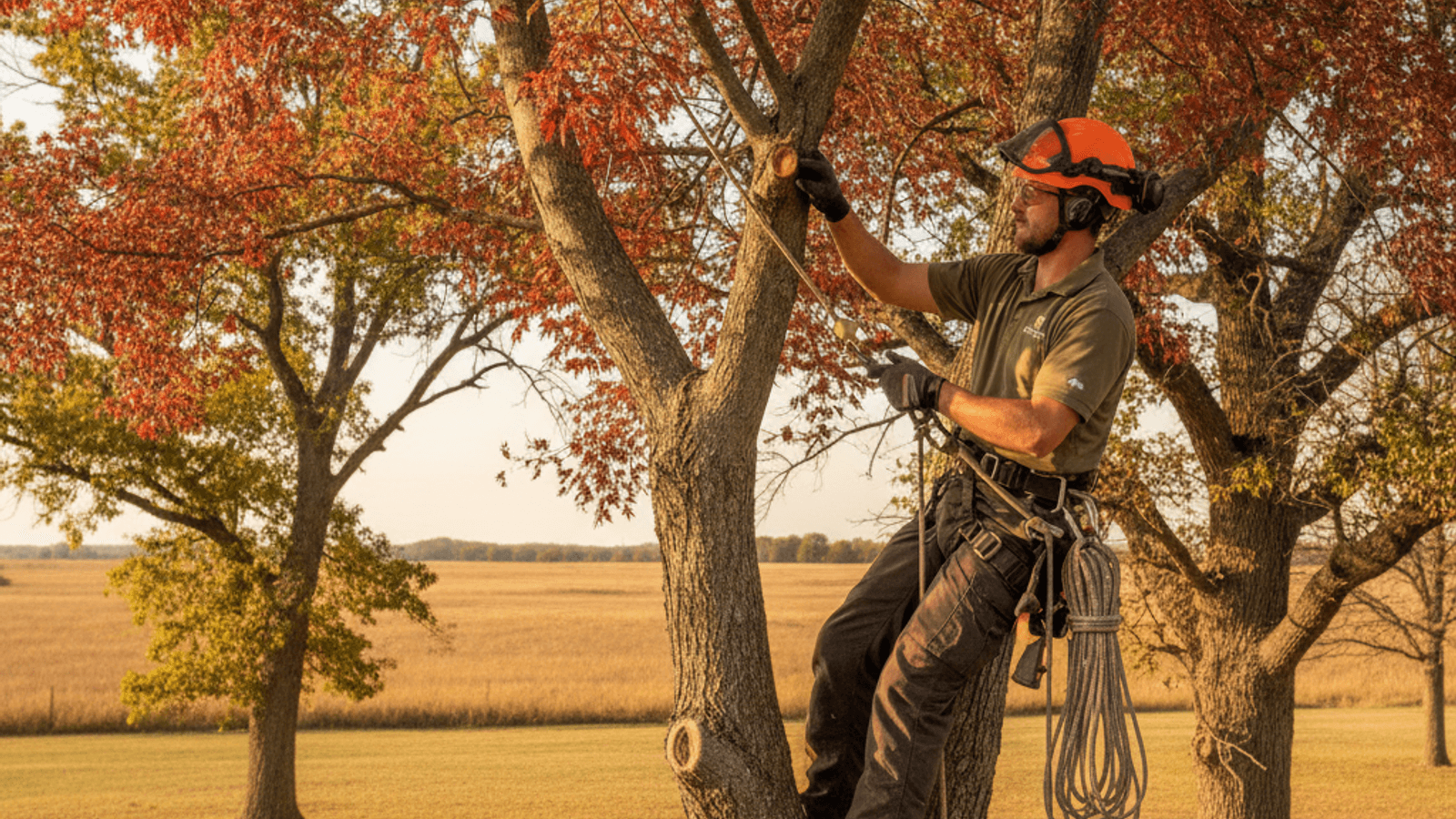
Red maples can establish slowly and branch poorly. Anthracnose spotting is often cosmetic; leaf scorch appears when moisture loss exceeds supply.
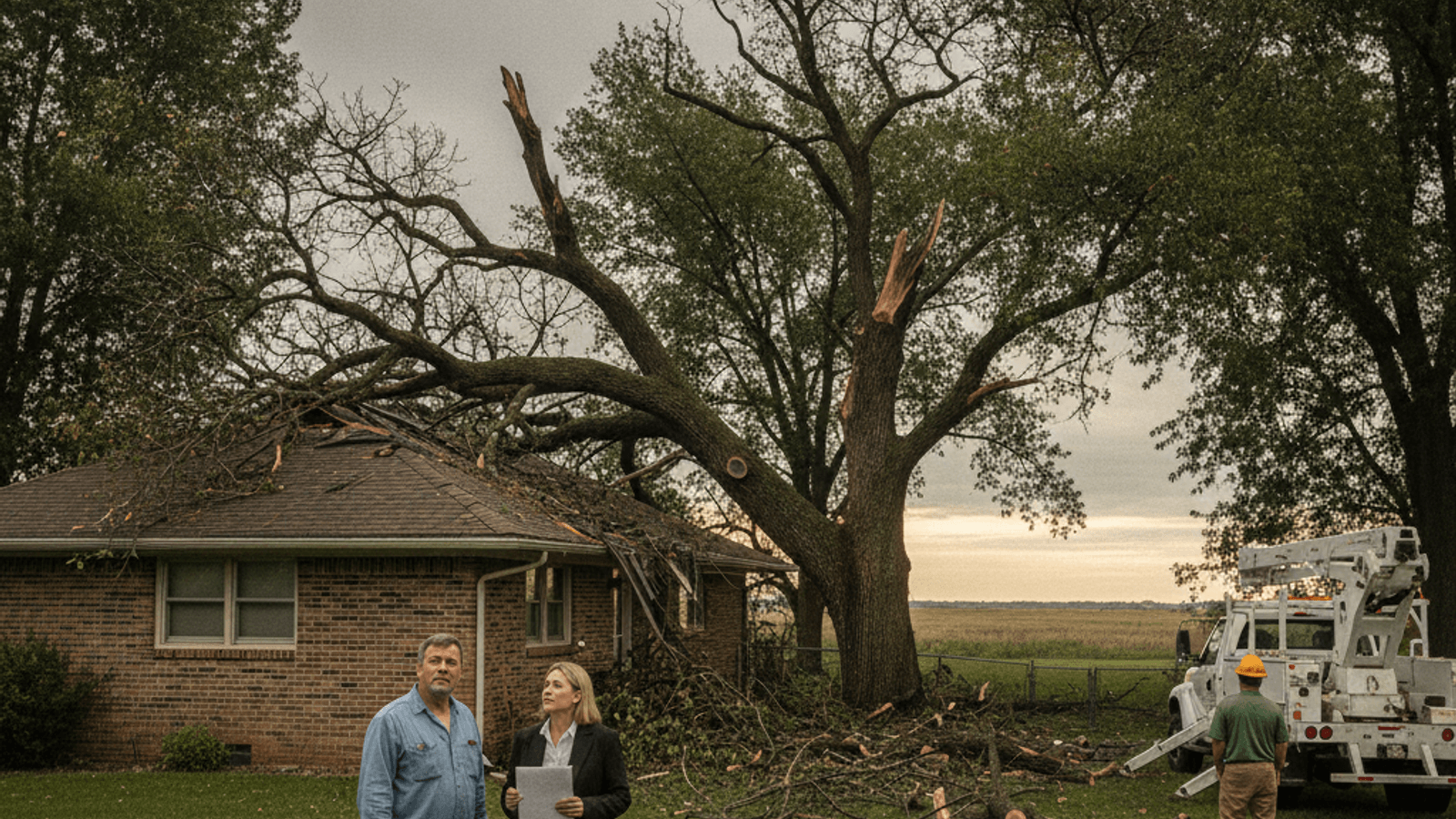
Tree-removal coverage after a Topeka storm depends on the policy and the damage. Confirm that with the insurer, then request an estimate.
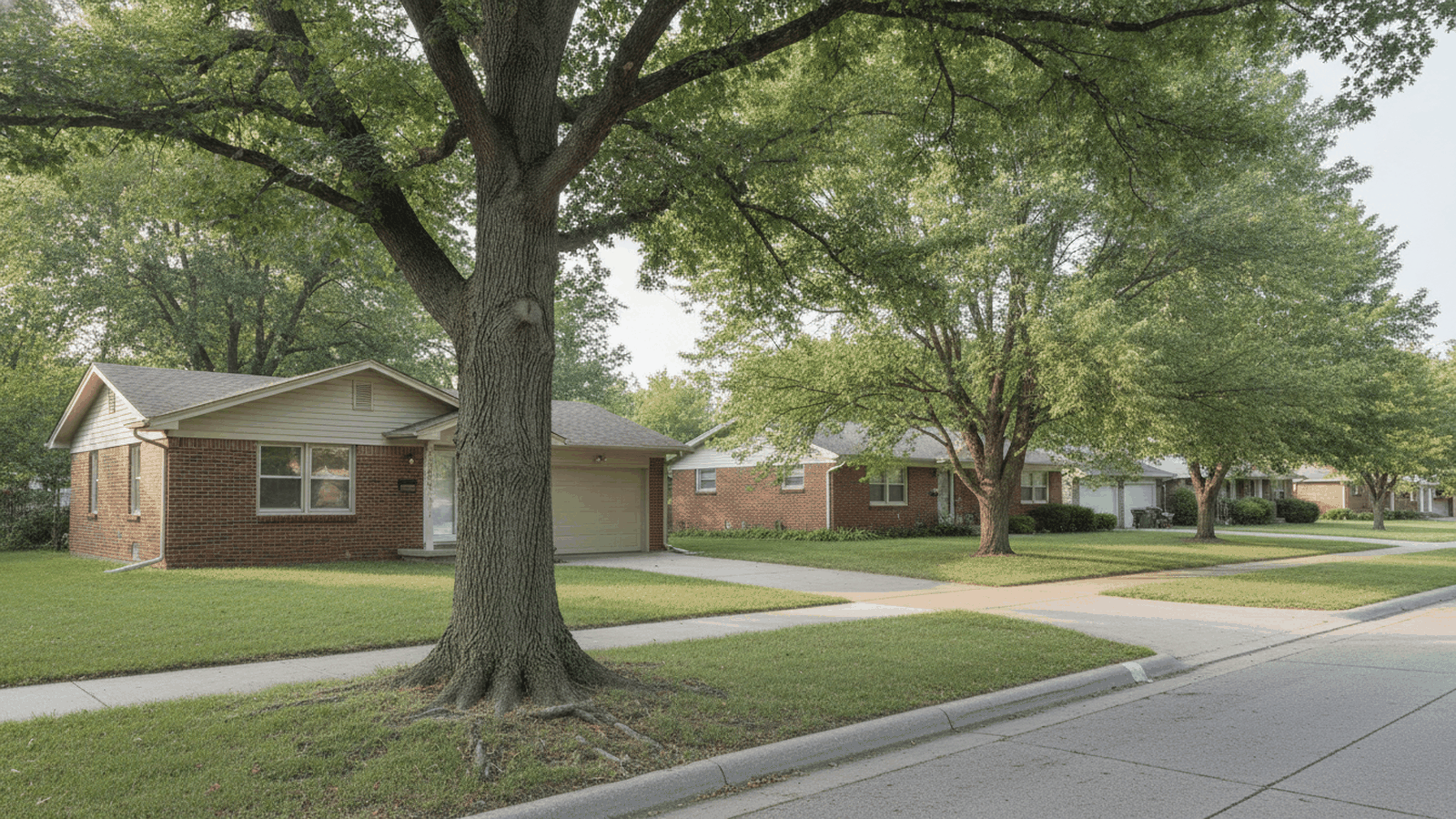
A Topeka tree removal permit covers listed work on public property. Confirm ownership, right-of-way boundaries, and provider licensing before work starts.
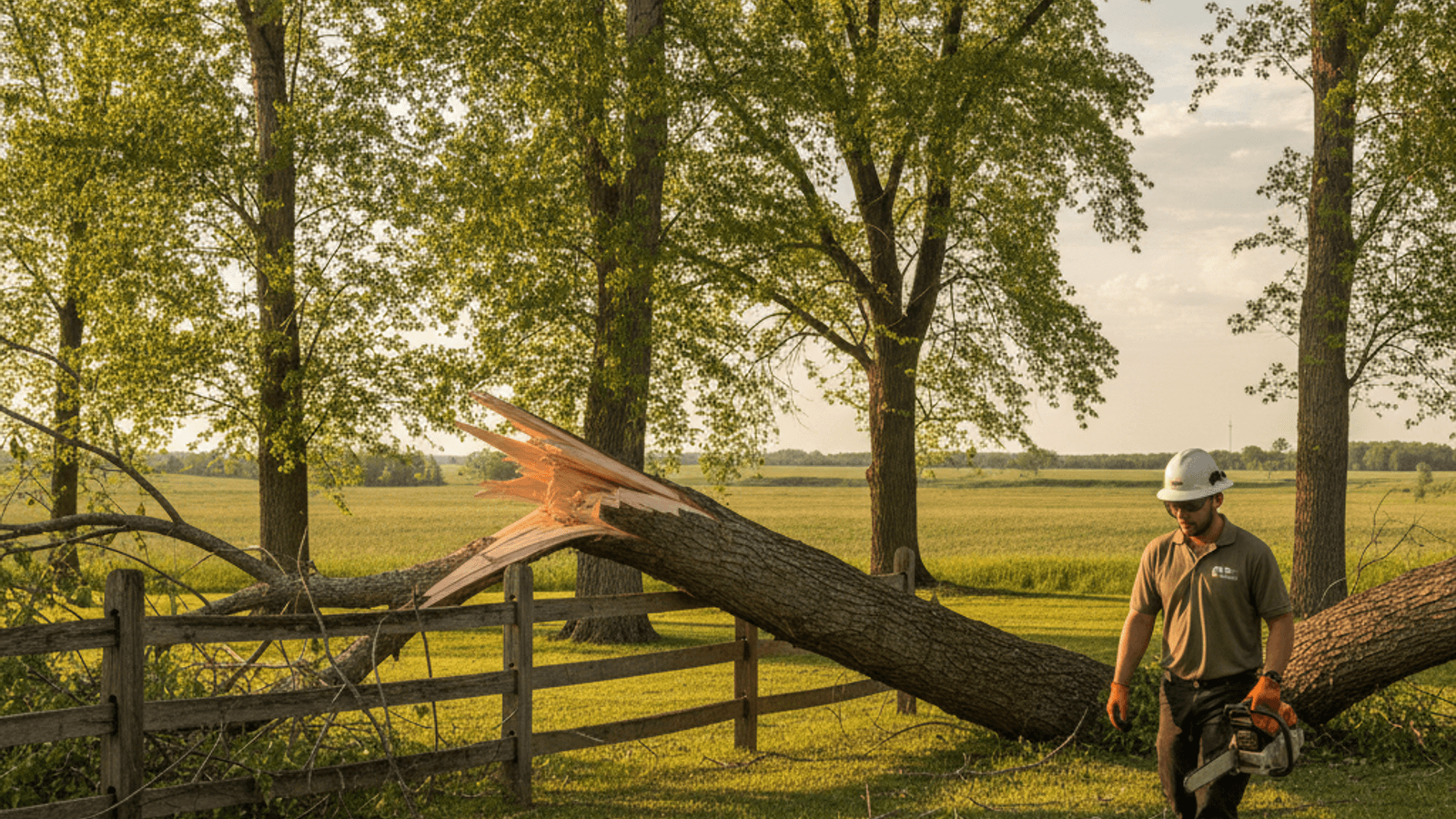
Poplar tree trimming in Topeka depends on the species, structure, site, and damage. Learn when pruning, assessment, or removal may be appropriate.
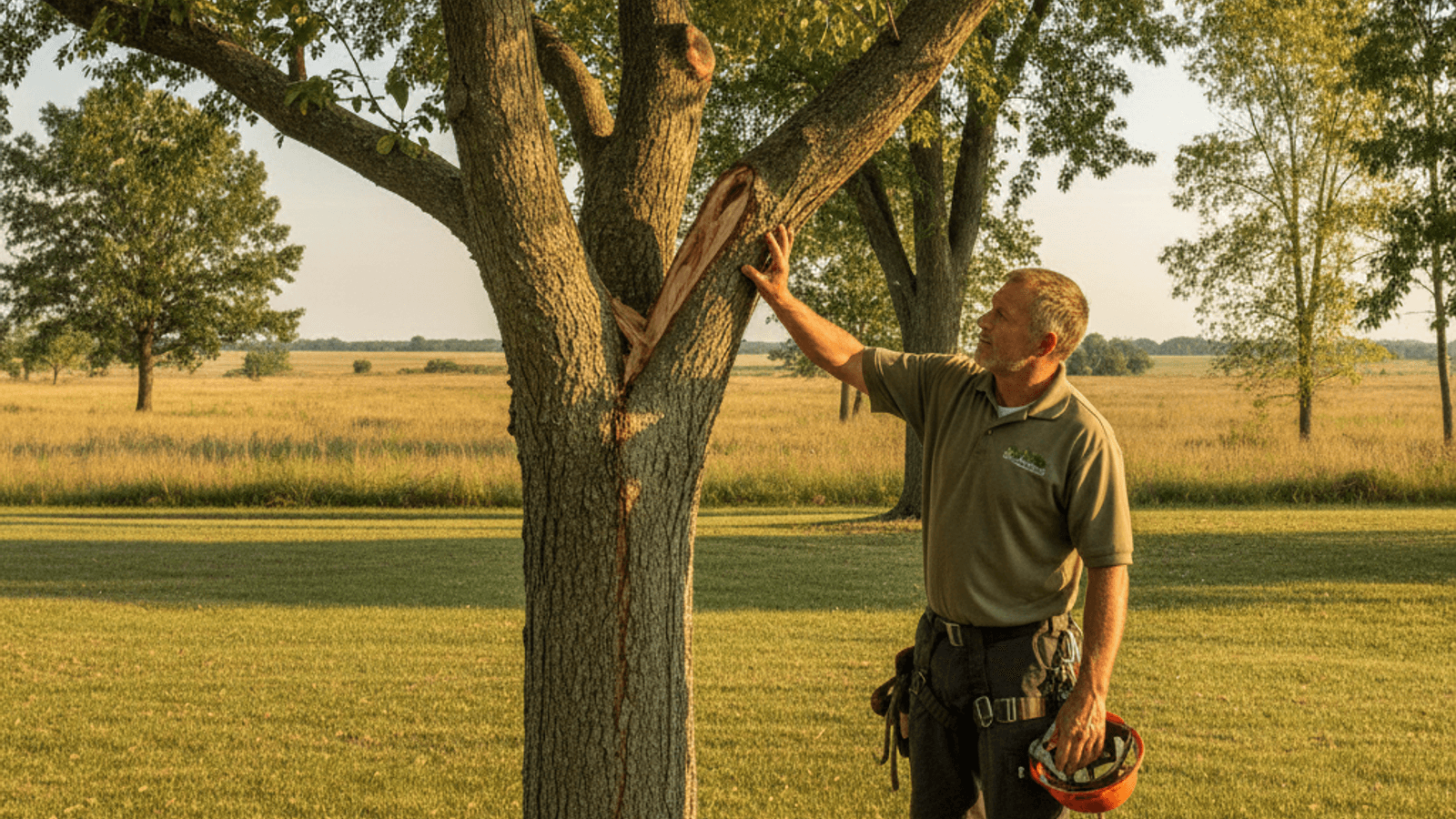
Bradford pear splitting warning signs need assessment. Compare cabling with removal for the actual tree and site in Topeka.
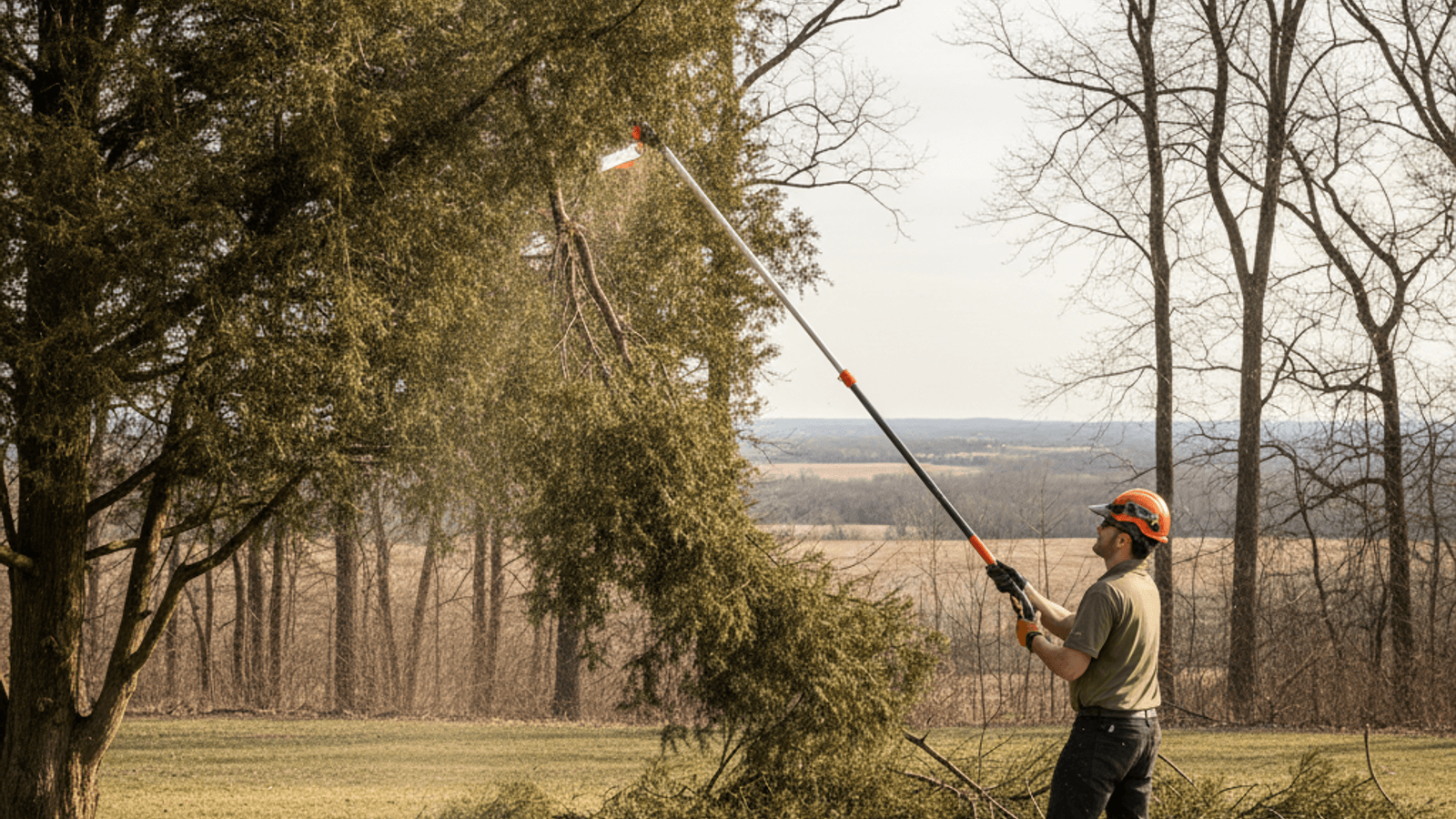
Cedar tree trimming in Topeka depends on species, condition, site, and goals. Compare written scopes from insured independent providers.

Check winter damage from a safe distance. Deciduous pruning is generally late February through April; skip oak wounding in April, May, and June.
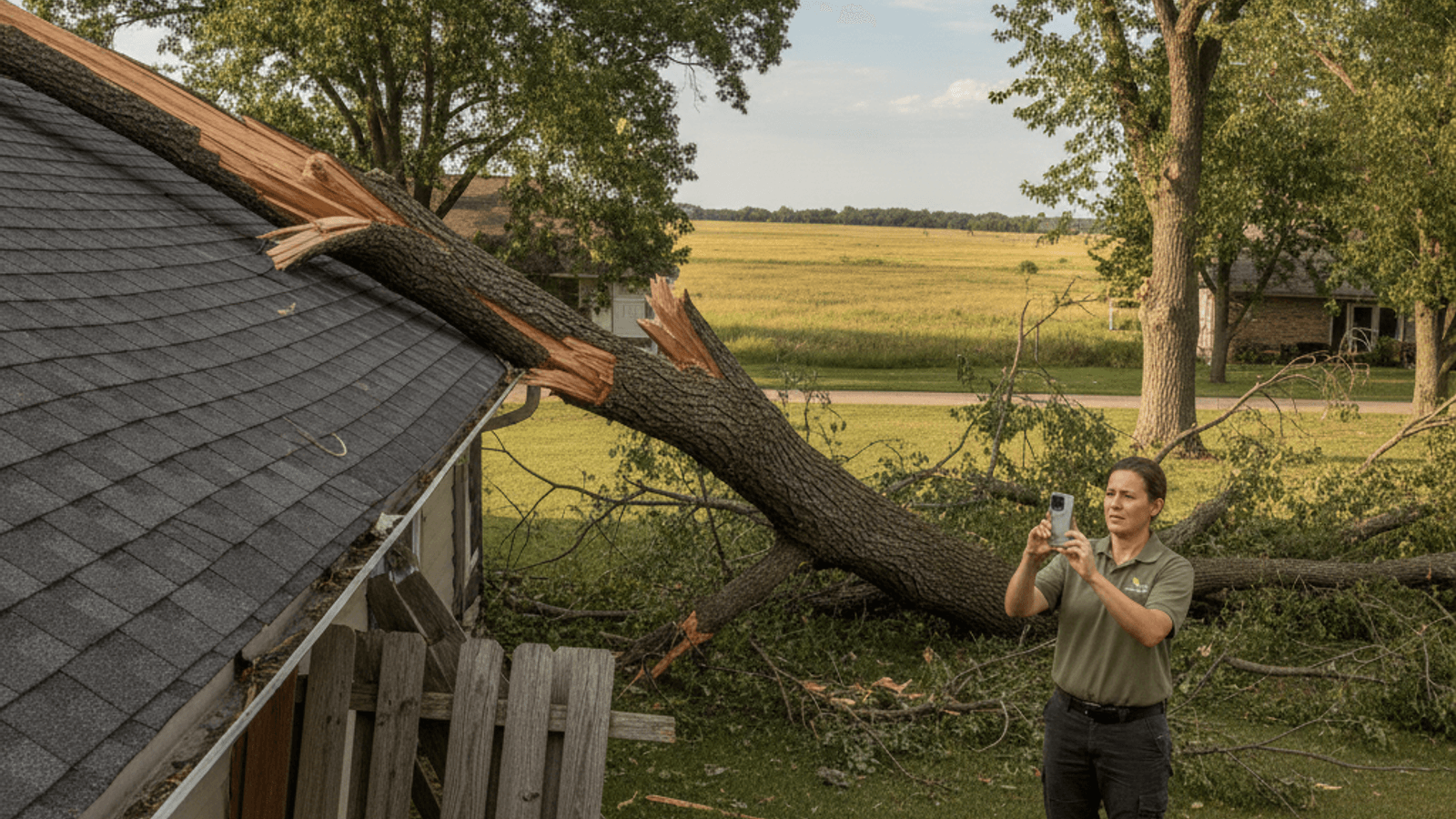
Stay clear of a fallen limb, hanging branches, and unstable trees. Utilities address electrical hazards. Document damage, then request an estimate for removal.

Utility line-clearance trimming is not the same as whole-tree care. Utilities address electrical hazards; an independent provider handles separate tree work.

Infected elms can die in weeks or survive a year or more. Flagging needs diagnosis; the disease spreads by beetles and root grafts. Call (785) 333-4052.
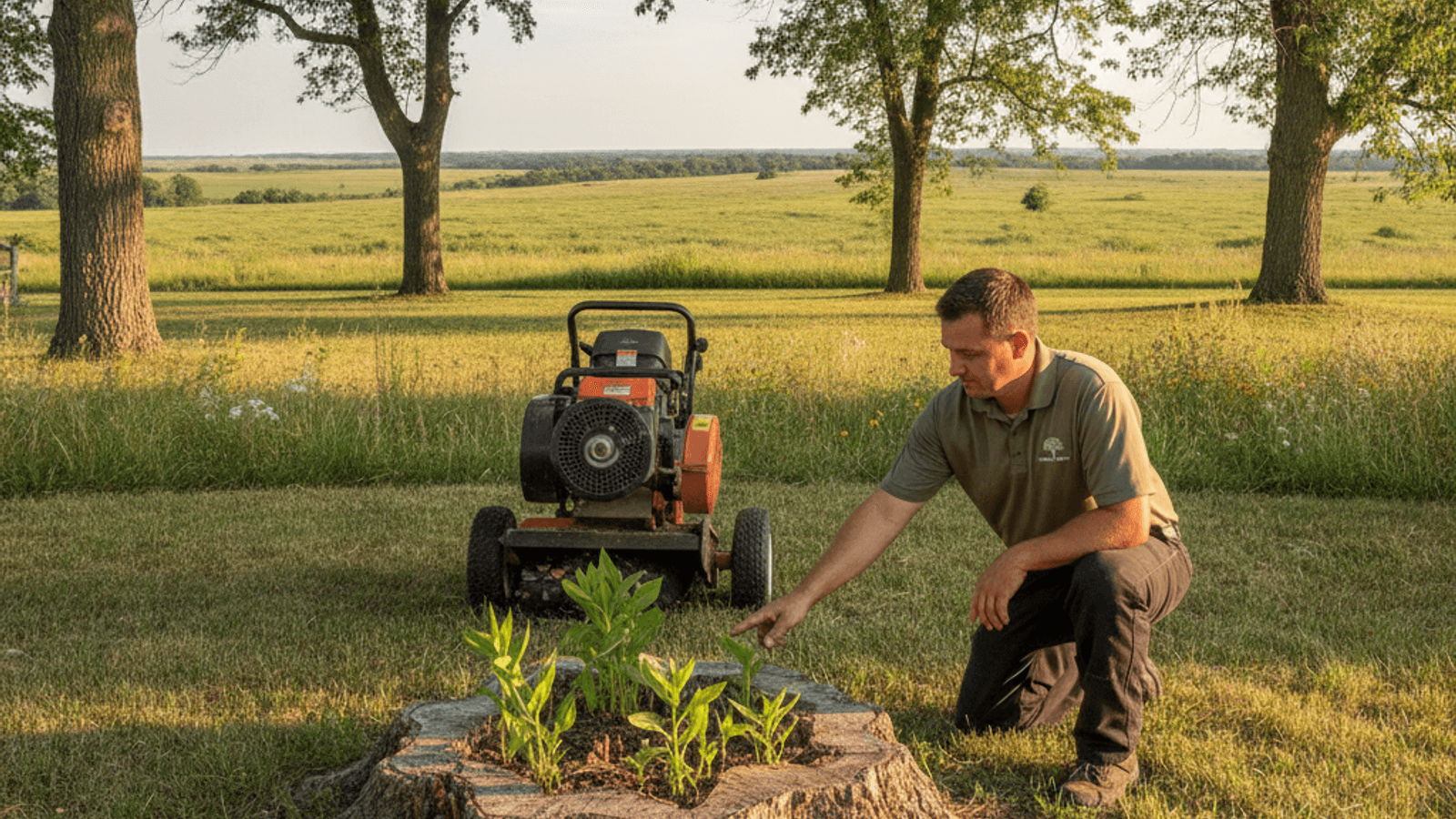
Cottonwood stump sprouting is a different job from stump grinding, hauling, and surface restoration. Compare those items in a written quote.

Compare cabling and bracing with removal for a split bur oak, including the tree, site, scope, and safety factors a provider should assess.

Check targets, access, drainage, and existing damage before storm season. Stay clear of hanging limbs and unstable trees, and skip topping as a prep method.

Stay clear of hanging limbs and unstable ice-damaged trees. Inspect from a safe distance, then decide whether professional assessment or removal is next.

Tree removal cost in Topeka depends on tree condition, access, obstacles, cleanup, hauling, and stump work. Compare written quote scope before hiring.

Ash tree symptoms can have more than one cause. Confirm a diagnosis before choosing emerald ash borer treatment or removal in Greater Topeka.
Call to request an estimate and a referral to an independent insured provider serving Greater Topeka. Confirm scope, availability, and any estimate or visit fees directly.